
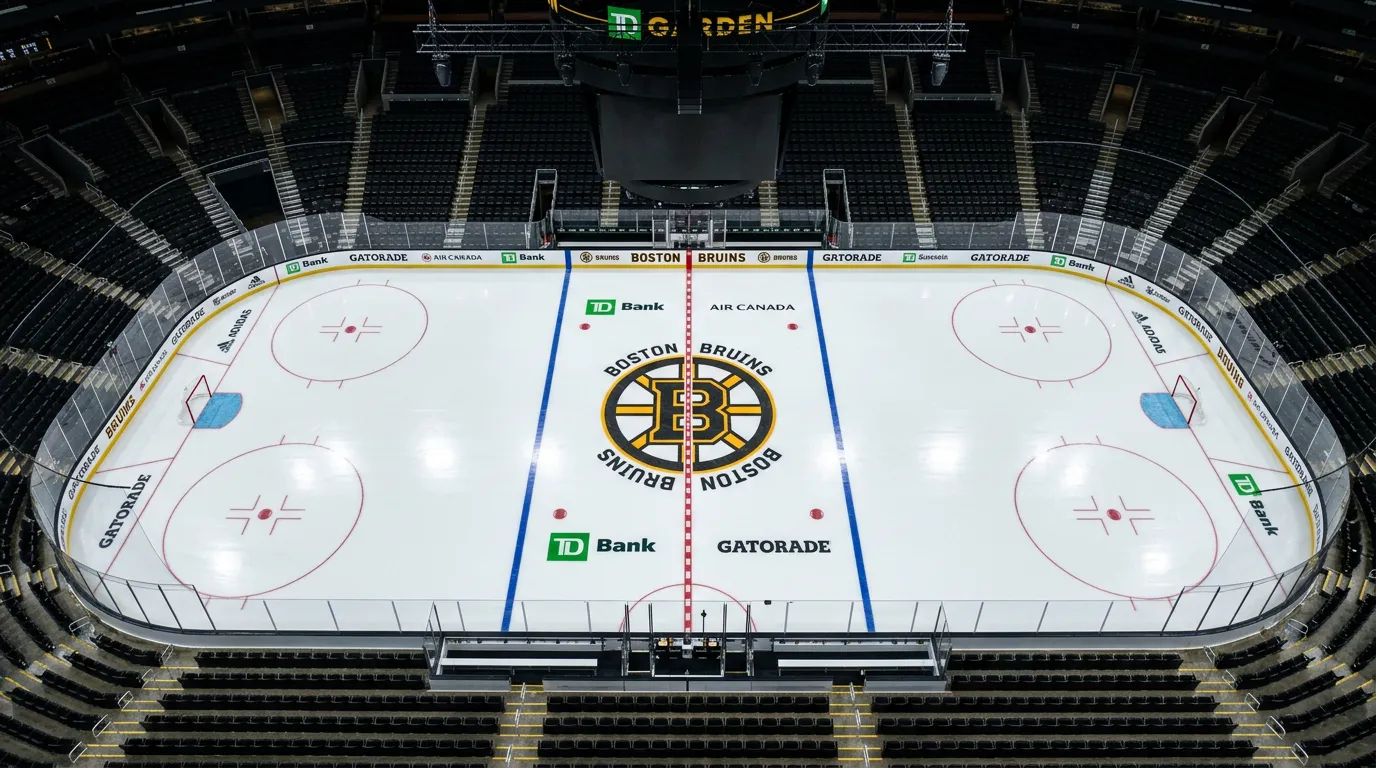
The NHL trade deadline arrives at 3 PM Eastern on Friday, and the final 24 hours of deal-making are shaping up to be the most consequential in recent memory. At least a dozen trades are expected to close before the clock strikes, with Vincent Trocheck, Robert Thomas, and a collection of rental defensemen headlining a market that has already reshuffled multiple franchises this season. The biggest story is not any single player but the Buffalo Sabres, a franchise that has not made the playoffs since 2011, going all-in with a desperation and aggression that has surprised rival front offices.
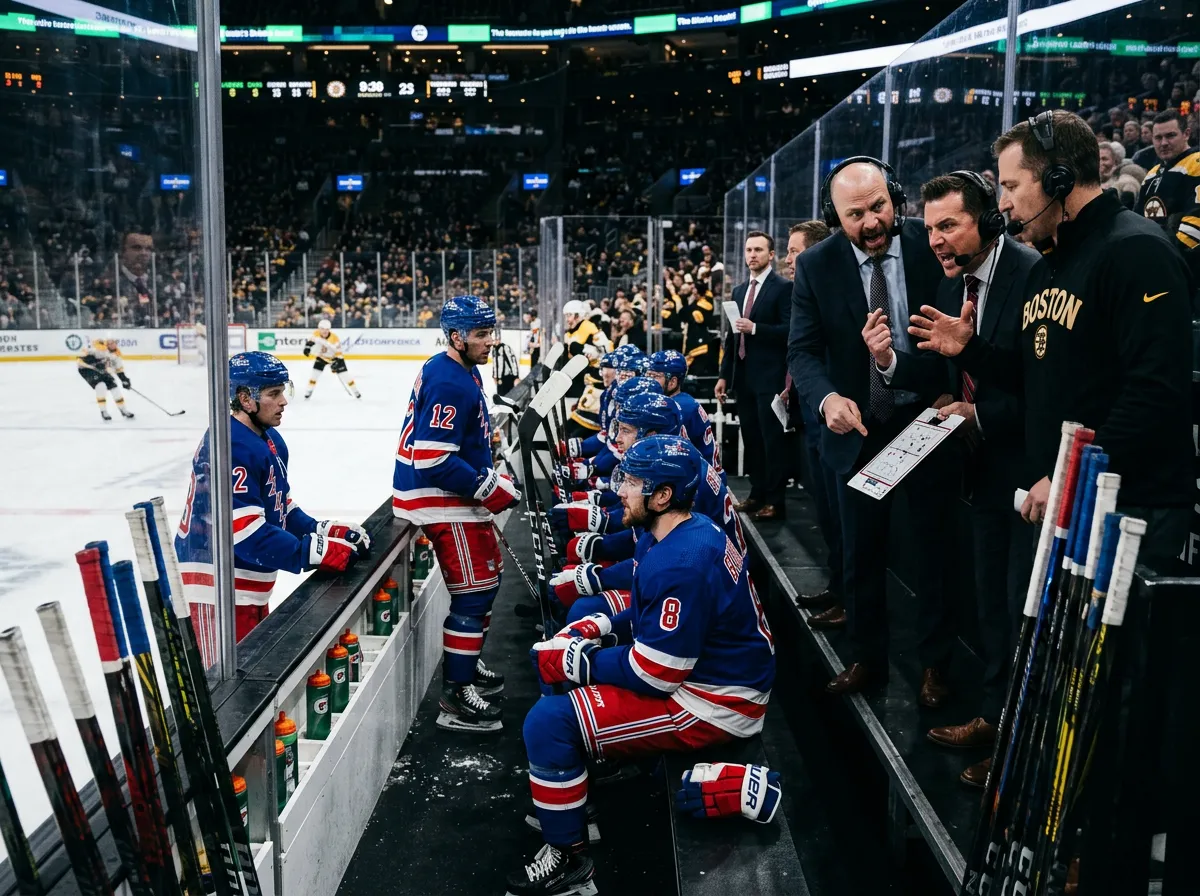
The groundwork was laid weeks ago. The Rangers began their teardown in February, shipping Artemi Panarin to Los Angeles for Liam Greentree and conditional picks. That deal signaled that New York's competitive window had closed and every remaining asset was available. Now, with Trocheck as the most valuable name still on the board, the Rangers' rebuild is entering its final pre-deadline phase.
The Trocheck Sweepstakes: Minnesota's Offer and the No-Trade Complication
Vincent Trocheck is the most sought-after forward on the trade market, and the Minnesota Wild are the most motivated buyer. Trocheck, 33, has 12 goals and 27 assists this season for a Rangers team that has been eliminated from playoff contention in everything but mathematics. His combination of center-ice versatility, playoff experience, and reasonable cap hit makes him the prototype of a deadline rental, except for one complication: his 12-team no-trade list.
ESPN's Greg Wyshynski reported that Trocheck has indicated several West Coast teams are on his no-trade list, citing family considerations. That narrows the field significantly and gives Trocheck leverage over his destination. Minnesota's offer, which centers around prospect Charlie Stramel, a 2027 first-round pick, and an additional player or prospect, is considered the strongest package available from a team Trocheck would likely accept.
The Wild's interest reflects a specific roster need. Since acquiring Quinn Hughes from Vancouver earlier this season, Minnesota has transformed its blue line from a weakness into a strength. What the team lacks is a second-line center who can win faceoffs and play in all situations, exactly the profile Trocheck fills. Adding him would give Minnesota a top-six forward group capable of matching up against any contender in the Western Conference.
The question is whether the Rangers can extract a higher price from another suitor. Toronto has reportedly shown interest, but the Maple Leafs' cap situation limits what they can offer without moving salary back. Dallas, which added Tyler Myers from Vancouver earlier this week, has been quiet on the forward market but has the picks to make a competitive bid. Rangers general manager Chris Drury is in no rush. Every hour that passes with Trocheck still in New York increases the urgency for buyers and, theoretically, the price.
Buffalo's All-In: The Sabres' Most Aggressive Deadline in a Decade
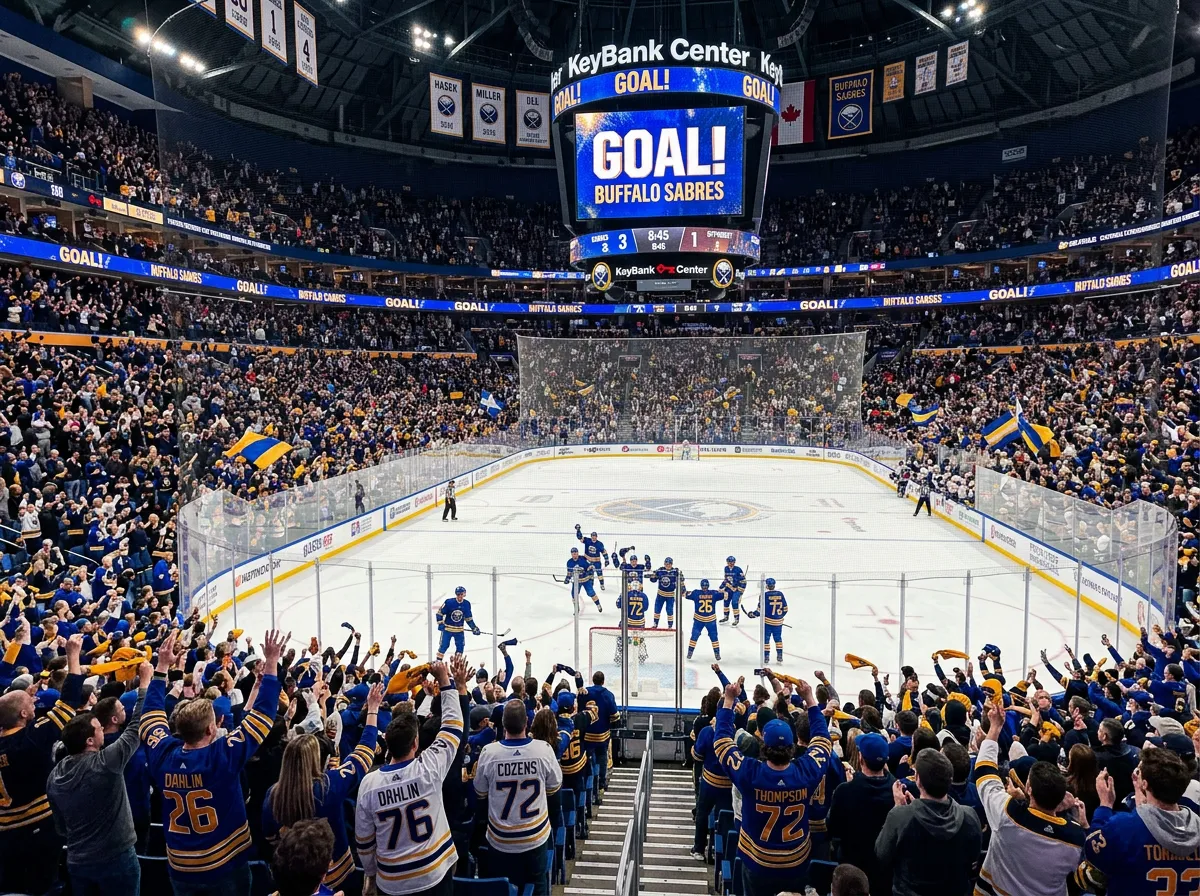
The most fascinating deadline subplot involves the Buffalo Sabres, a franchise that has become synonymous with futility over the past 14 years. Buffalo has not made the playoffs since the 2010-11 season, the longest active drought in the NHL by a wide margin. This season, the Sabres are clinging to a wild card spot in the Eastern Conference, and general manager Kevyn Adams has decided that this is the year to stop building and start buying.
The Sabres' primary target is Robert Thomas, the St. Louis Blues' talented playmaking center. Thomas, 26, has three years remaining on his contract at $8.125 million per season, making him more than a rental. He would slot into Buffalo's top six as a legitimate first-line center, the kind of franchise-caliber player the Sabres have lacked since the Jack Eichel trade in 2021. TSN's Darren Dreger reported that Buffalo's pursuit of Thomas has been "relentless," with Adams calling the Blues' front office daily.
The Thomas pursuit became more dramatic earlier this week when a separate deal fell apart. Buffalo had agreed to acquire defenseman Colton Parayko from the Blues in exchange for a first-round pick and prospect Radim Mrtka, but Parayko exercised his no-trade clause and blocked the deal. That collapse forced the Sabres to pivot, and Thomas emerged as the bigger, bolder target.
What makes Buffalo's aggression so notable is the cost it implies. Thomas is under contract through 2028-29, meaning the Blues will demand a premium package: multiple first-round picks, a top prospect, and potentially a young NHL player. For a team that has rebuilt through the draft for over a decade, trading away that kind of draft capital represents a philosophical shift. Adams appears willing to make that shift because the alternative, another season of marginal improvement followed by a lottery pick that fails to change the franchise's trajectory, has become untenable.
Why This Deadline Could Set the Course for Five Franchises
The deals that close in the next 24 hours will not just affect this season's playoff picture. They will establish the competitive trajectory of at least five franchises for the next three to five years. The Rangers are committed to a full rebuild, meaning every asset that leaves New York represents a bet on a future core that does not yet exist. Minnesota is going all-in on a Stanley Cup window that opened when Hughes arrived, a window that could close quickly if the team does not supplement its blue line with forward depth. Buffalo is making the most consequential gamble: that trading future assets for present talent can break a cycle of losing that no amount of patient development has been able to fix.
The Oilers' acquisition of Jason Dickinson and Colton Dach from Chicago for Andrew Mangiapane and a conditional first-round pick reflects a different philosophy. Edmonton, defending its Western Conference contender status, is adding complementary pieces rather than transformational ones. That approach carries less risk but also less upside, the trade equivalent of base hits rather than swinging for the fences.
Colorado's deal for Nicolas Roy from Toronto, in exchange for conditional picks that could include a first-rounder, falls somewhere in between. The Avalanche need center depth for a playoff run, and Roy provides a physical, defensively responsible option that complements Nathan MacKinnon's game. But the conditional nature of the picks means Colorado is hedging: if the season ends in an early playoff exit, the cost stays manageable.
The Analytics Case for Standing Pat
Not every contender should be buying, and the data supports that contrarian position. Research from Evolving-Hockey and other analytics outlets has consistently shown that deadline rentals provide a modest boost in regular-season win probability, typically in the range of 1 to 3 additional wins, but do not significantly improve playoff outcomes. The reason is that playoff hockey, with its compressed schedule, increased physicality, and reduced special teams impact, rewards depth and structure more than individual talent additions.
The teams that have won the Stanley Cup in recent years generally did so with rosters that were built before the deadline, not at it. Tampa Bay's back-to-back championships in 2020 and 2021 were powered by a core assembled years earlier. Colorado's 2022 Cup came from a team that made modest deadline additions. The Vegas Golden Knights' 2023 title was won by a roster constructed primarily through free agency and trades made in the offseason. The exception that proves the rule is the occasional rental who catches fire in the playoffs, but those outliers do not justify the average cost of deadline acquisitions.
This does not mean every deadline deal is a mistake. It means the Sabres' all-in approach, trading significant future assets for a player under long-term contract, is actually a smarter strategy than overpaying for a rental who leaves in July. If Buffalo lands Thomas, they acquire a player who changes the franchise's ceiling for multiple seasons, not just one playoff run. The rental market, by contrast, is where teams most often overpay for diminishing returns.
After the Buzzer
By 3 PM Friday, the NHL will look significantly different. The most likely outcomes based on the current intelligence: Minnesota lands Trocheck for a Stramel-centered package, Buffalo acquires Thomas in the biggest deal of the deadline (likely for two first-round picks and a top prospect), and the Rangers complete their teardown by moving at least one more significant piece, possibly defenseman K'Andre Miller. The wildcard is whether a team like Toronto or Dallas makes a late entry for Trocheck, forcing Minnesota to overpay.
The specific metric to track over the next month is Buffalo's points percentage. The Sabres currently sit at .520 in the standings, the thinnest possible playoff margin. If Thomas arrives and Buffalo's points percentage climbs above .570 through the end of March, it validates the organizational pivot from rebuild to compete. If the team stalls or regresses, the franchise will have traded its future for a product that was not ready for the present, a nightmare scenario that Sabres fans, after 14 years of waiting, do not deserve to contemplate but probably should.