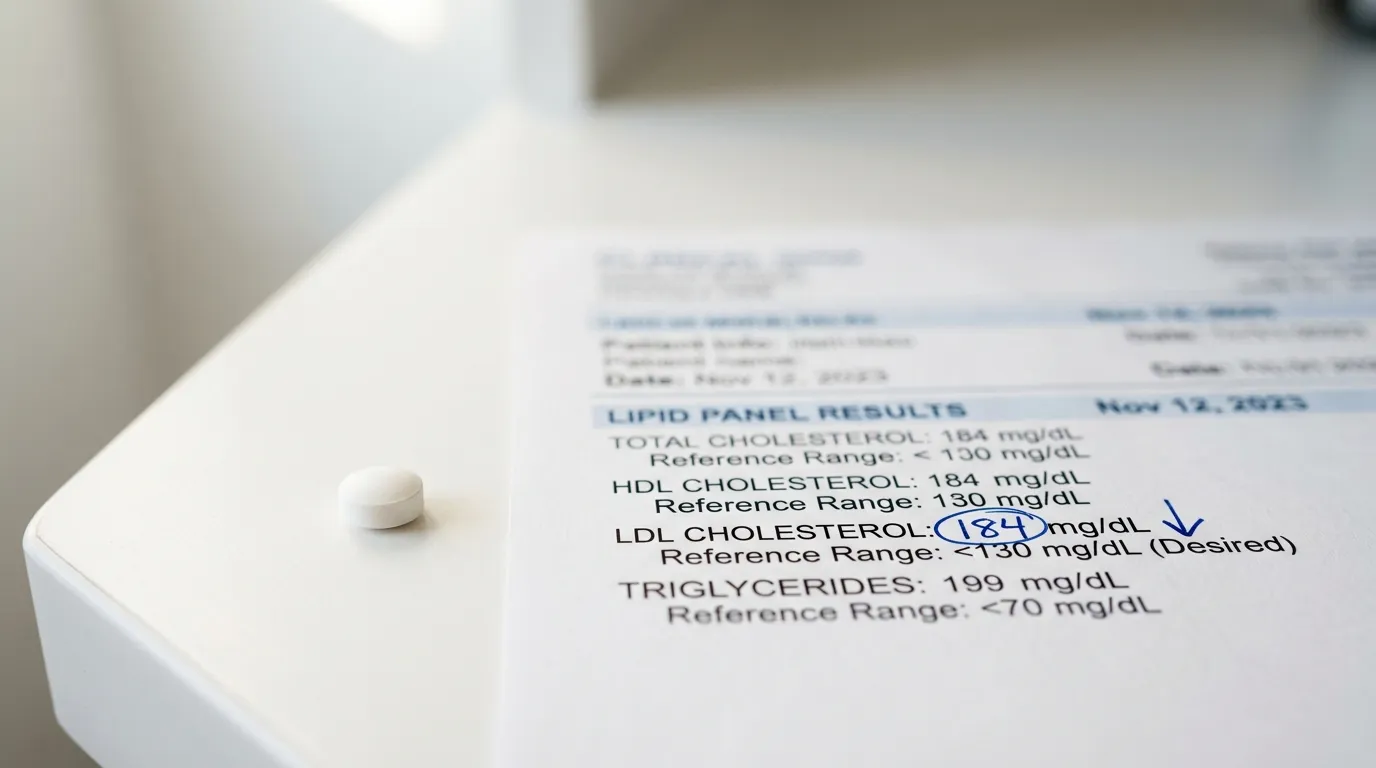
Microplastics Found in 90% of Prostate Cancer Tumors, NYU Study Reveals
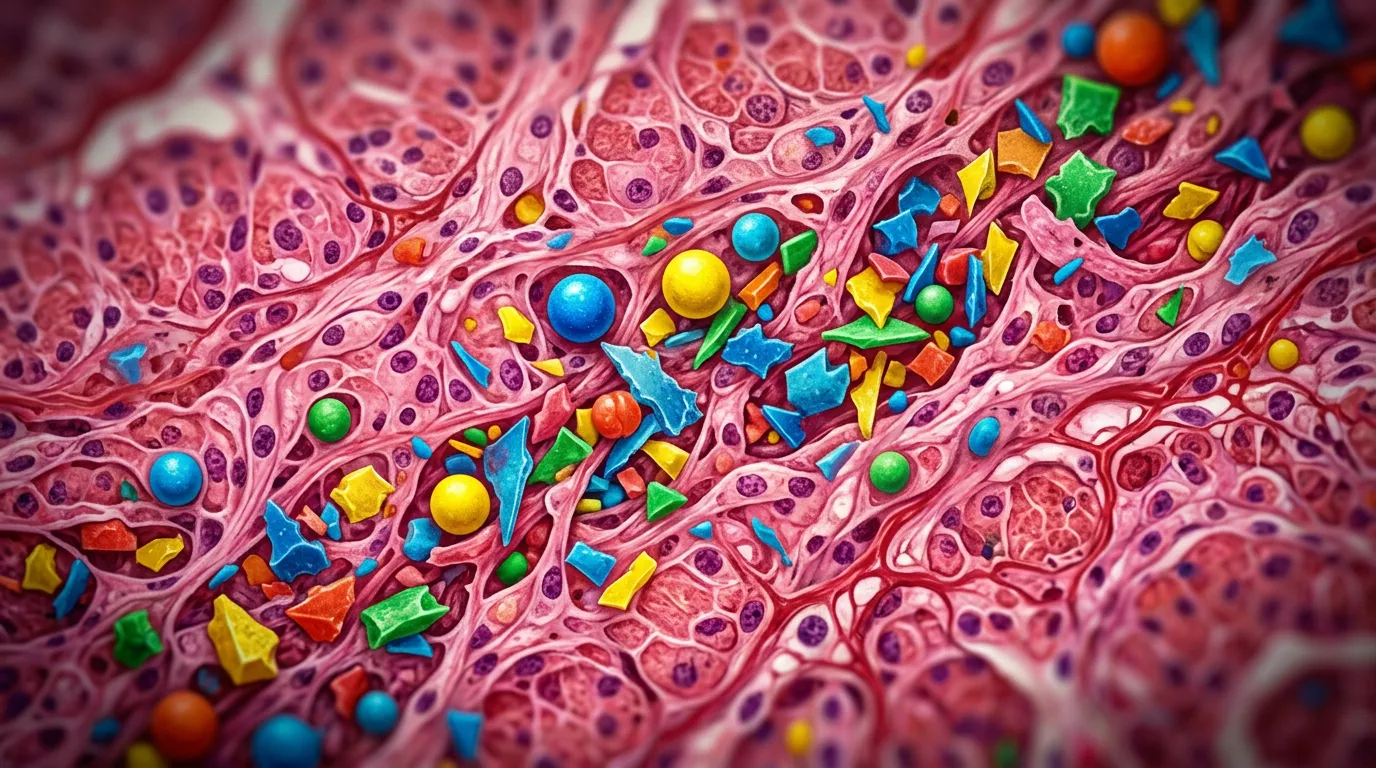
A new study found plastic particles in nearly all prostate tumors examined, with cancerous tissue containing 2.5 times more plastic than healthy tissue.
Latest health articles and coverage
12 articles

A new study found plastic particles in nearly all prostate tumors examined, with cancerous tissue containing 2.5 times more plastic than healthy tissue.

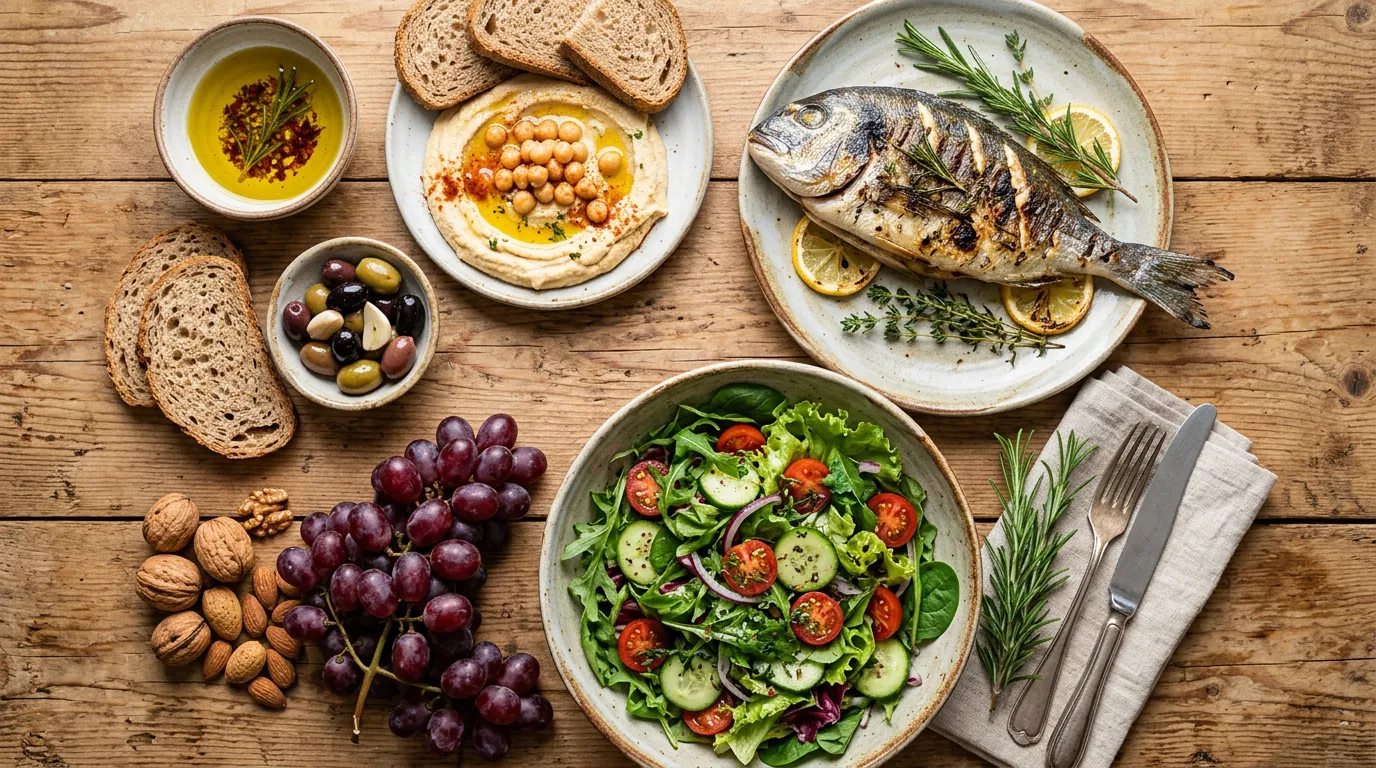
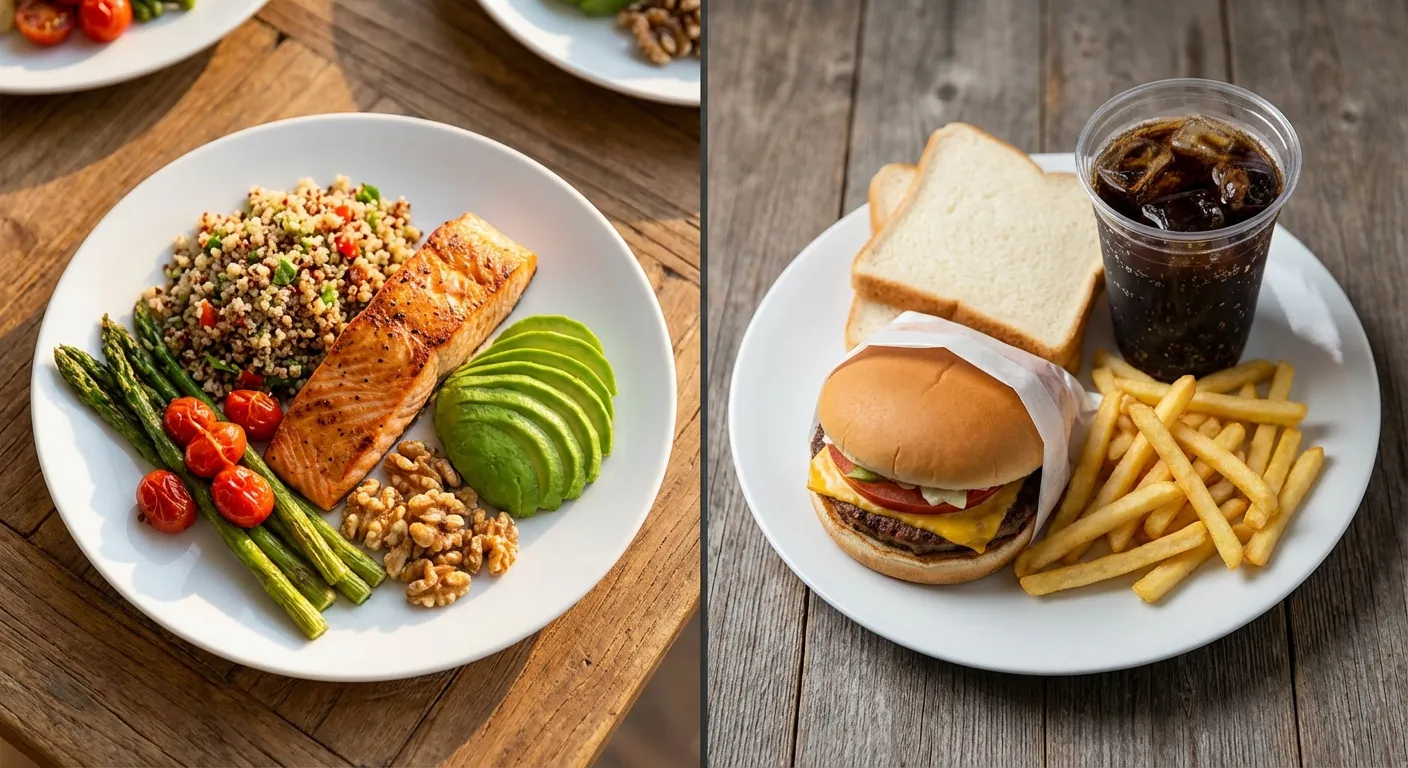
A 21-year study of 105,000 women found that closely following the Mediterranean diet lowered overall stroke risk by 18%, with hemorrhagic stroke risk dropping 25%.

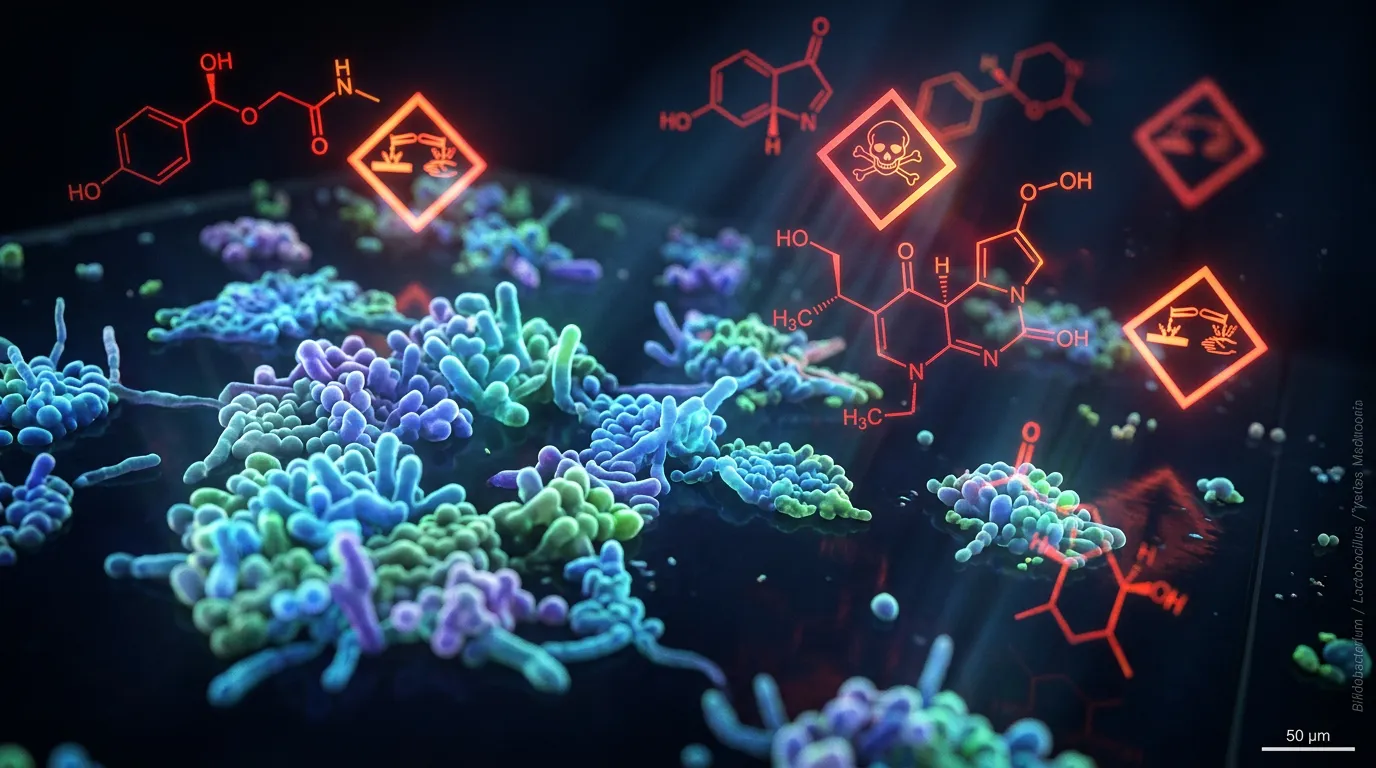
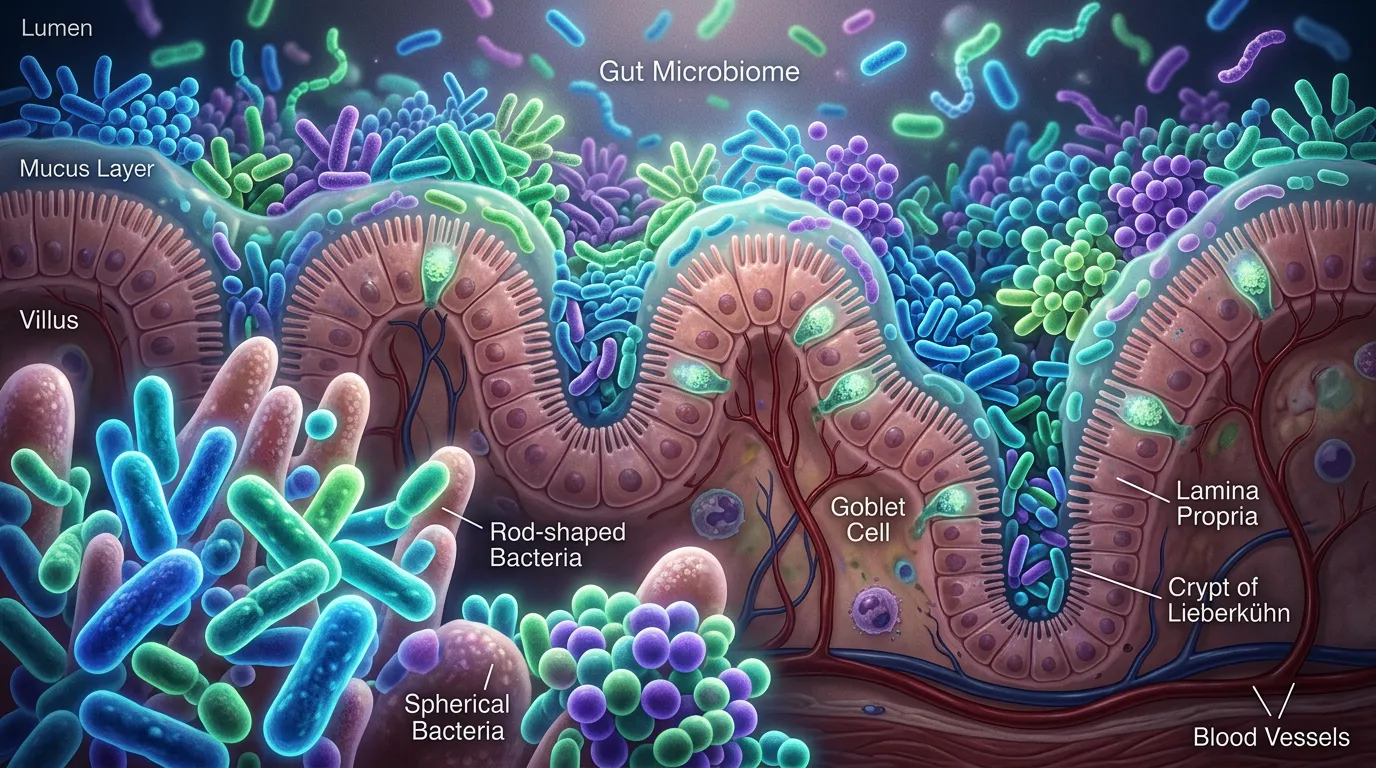
A Cambridge study found 168 common chemicals in pesticides and plastics damage beneficial gut microbes, and some even trigger antibiotic resistance.

A UCLA study finds that five days of intensive TMS may relieve depression symptoms as effectively as the standard six-week protocol, opening doors for patients who can't commit to weeks of treatment.

A global study of 11,000+ people across 39 countries found that a little-known group of gut bacteria called CAG-170 appears consistently in healthy individuals.

A landmark Science study upends decades of research, finding genetics account for over half of lifespan variation once accidental deaths are separated from biological aging.

A 30-year JACC study of 198,473 adults found both low-carb and low-fat diets reduce heart disease risk, but only when built on whole foods. Unhealthy versions of either diet increase risk.

A University of Nottingham study finds that pairing fermented kefir with prebiotic fiber reduces inflammation more effectively than omega-3 supplements or fiber alone.

A landmark seven-year study of nearly 2,800 Australian adults reveals hearing aids significantly reduced dementia risk, even when cognitive tests showed no measurable improvement.

A 28-year study of 76,000 Swedes finds that following Nordic dietary guidelines cuts mortality by 23%. The diet also benefits the planet.

New research reveals the ALOX15 enzyme decides whether omega-3 supplements fight colorectal cancer or potentially fuel it. Here's what it means.

A 10-minute walk after eating reduces glucose spikes by up to 17%. Here's exactly when, how long, and how fast to walk for optimal blood sugar control.