
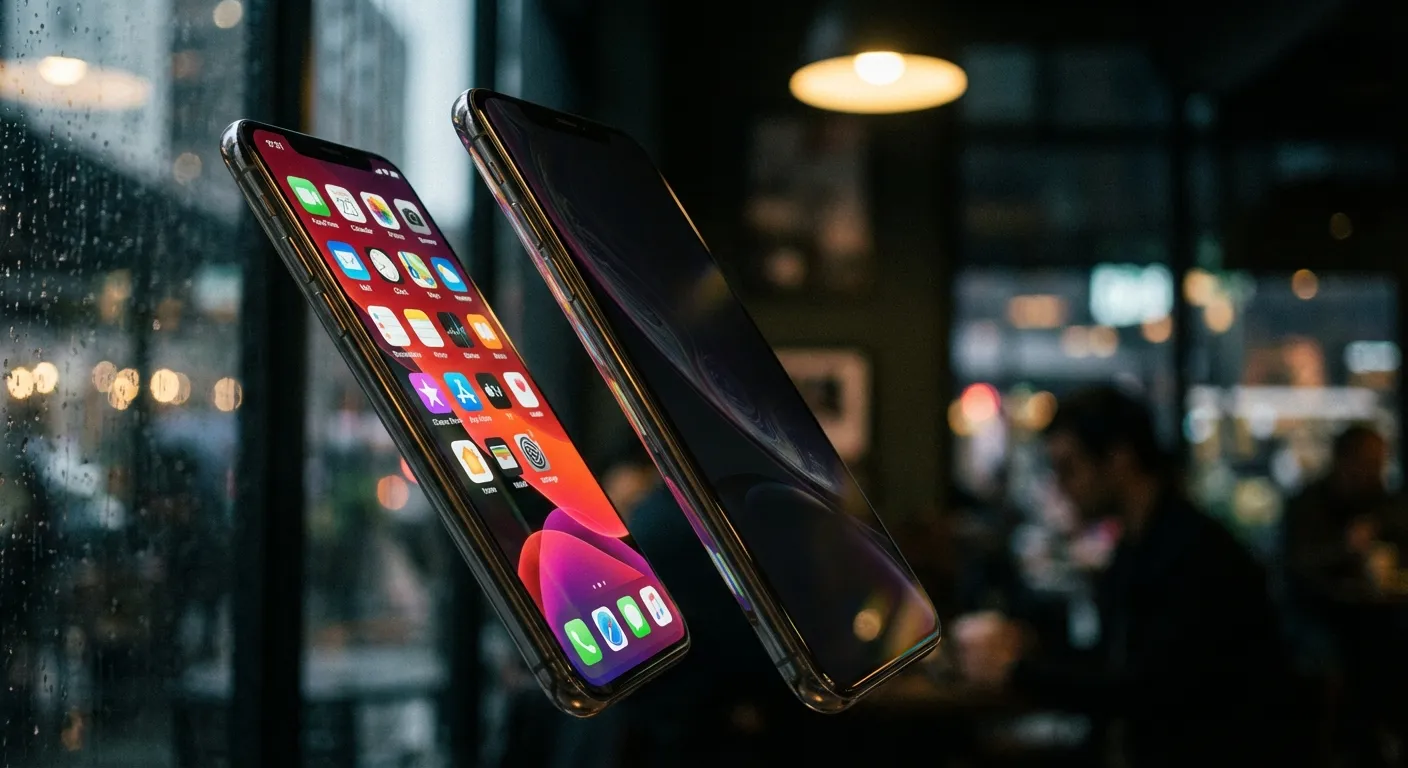
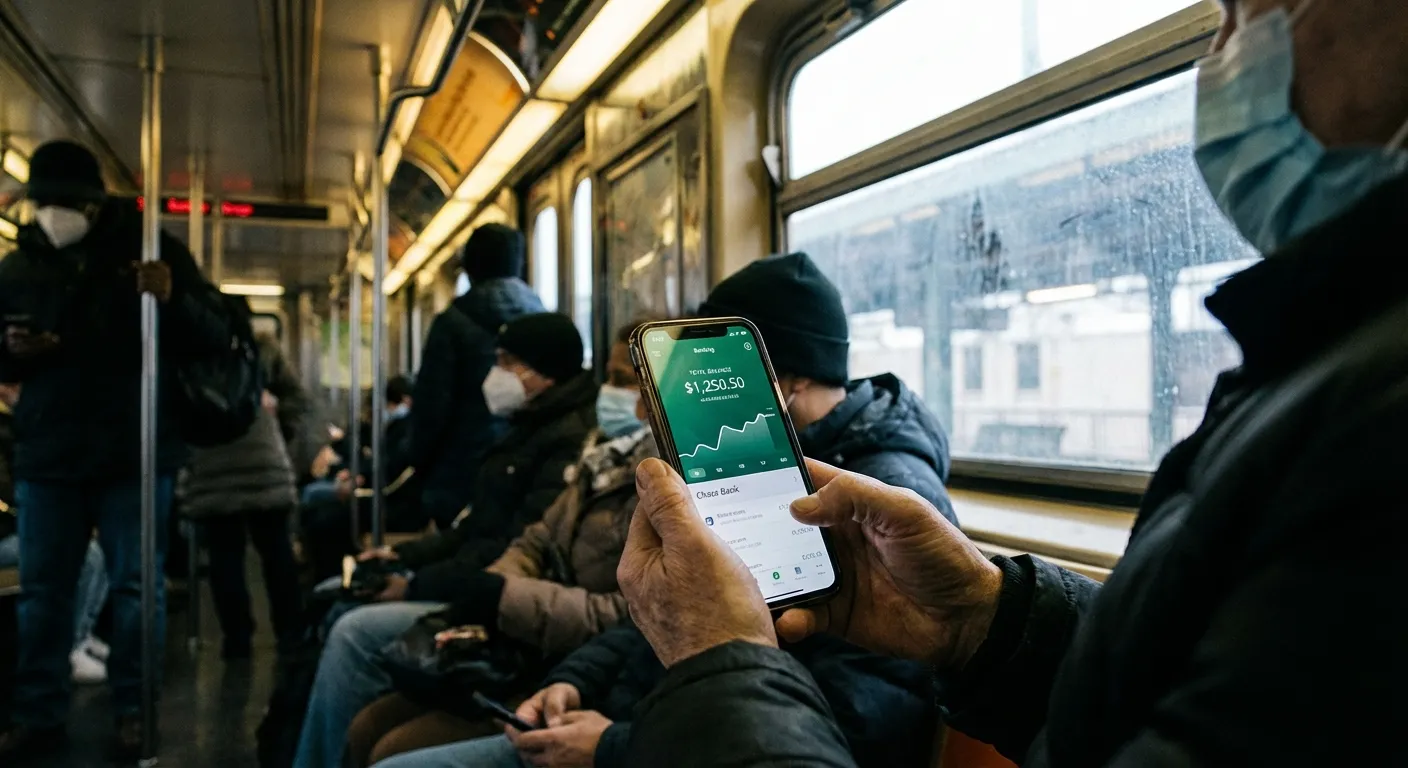
You're sitting on a train, checking your bank balance on your phone. The person next to you glances over. You instinctively tilt the screen away. It's one of those tiny modern frictions that everyone experiences and nobody has solved, until now, apparently.
Samsung just confirmed that its Galaxy S26 lineup, set to debut at Galaxy Unpacked on February 25 in San Francisco, will feature what the company calls "Privacy Display," a hardware-level technology that blocks your screen content from anyone looking at an angle. No stick-on privacy film. No dimming workaround. The phone itself controls who can see what's on it.
It's the kind of feature that sounds like a gimmick until you think about how much of your life lives on your phone screen: banking apps, private messages, medical records, work emails. Samsung is betting that in 2026, screen privacy isn't a niche concern. It's the next must-have feature.
How the Privacy Display Actually Works
The technology behind Samsung's Privacy Display is called Flex Magic Pixel, and it operates at the hardware level rather than through a software overlay. The system can alter the properties of individual pixels on demand, redirecting light so that screen content appears clear to someone looking straight on but becomes illegible from oblique viewing angles.
Think of it as a dynamic version of those plastic privacy screens that office workers stick on their monitors, except it's built into the OLED panel itself and can be toggled on or off depending on the situation. Samsung's M14 OLED panels, the latest generation powering the S26 series, incorporate this capability natively. When Privacy Display is active, the phone narrows its effective viewing cone. When you turn it off, the display works normally with its full wide-angle visibility.
The AI component is where things get interesting. Rather than requiring you to manually toggle privacy mode every time you open a sensitive app, Samsung's system uses the front-facing camera and machine learning to detect when someone nearby is looking at your screen. It can also adapt based on environmental factors like ambient lighting and your physical surroundings. Over time, the system reportedly learns your usage patterns, understanding which apps you tend to use in public versus private settings.
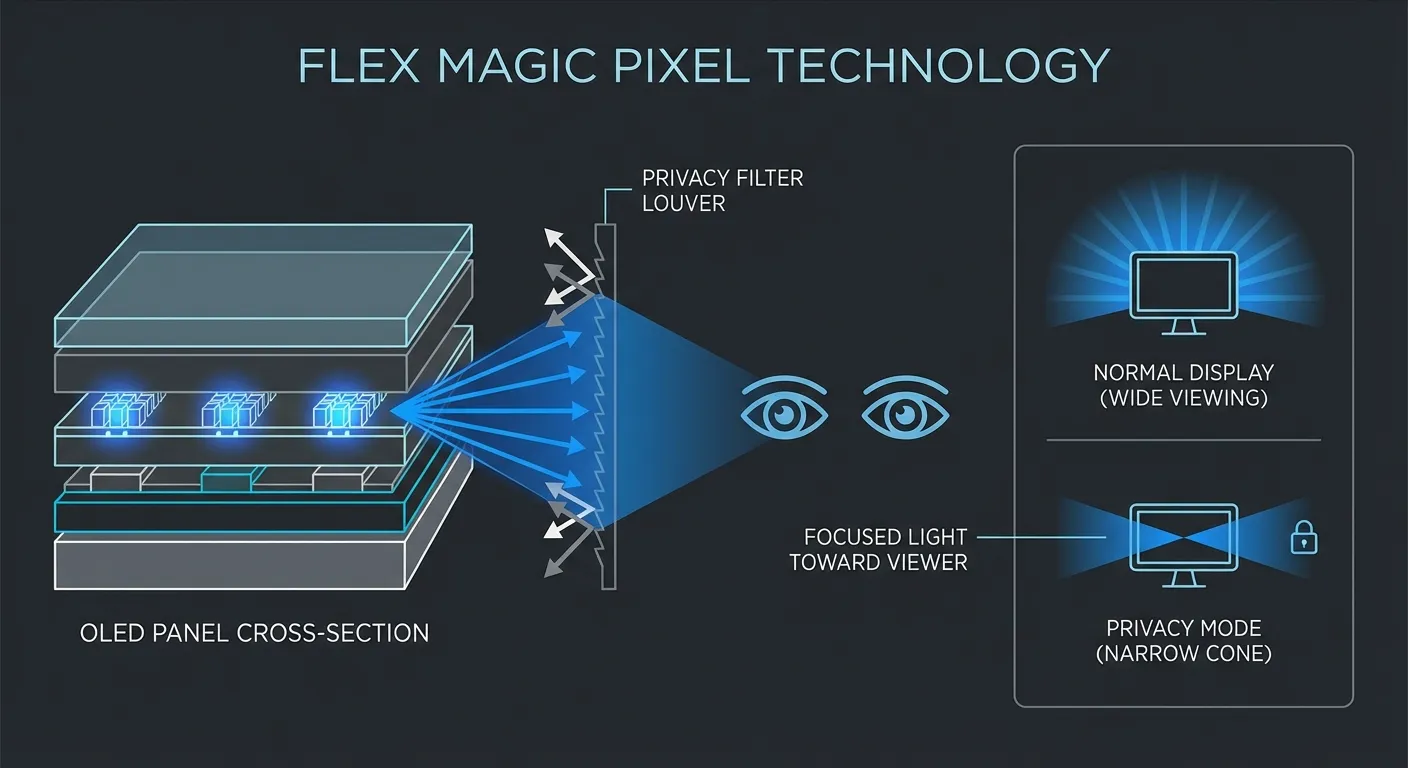
Samsung claims the feature achieves up to 2,600 nits of brightness even with Privacy Display active, which means you won't sacrifice outdoor readability for privacy. The hardware acceleration is designed to minimize battery impact, a critical consideration given that any always-on camera analysis would typically drain power quickly.
No current competitor offers anything comparable built directly into a smartphone display. Apple's iPhone uses software-level screen dimming in some contexts, and third-party privacy screen protectors remain a cottage industry, but neither approaches the sophistication of a hardware-integrated, AI-driven solution. It's a genuine first for the smartphone market.
What Else Samsung Is Packing Into the S26
The Privacy Display is the headline feature, but Samsung is loading the S26 series with enough to justify what will likely be premium pricing across all three models: the standard S26, S26+, and S26 Ultra.
On the AI front, Samsung's One UI 8.5 introduces four new AI capabilities across the lineup, with the S26 models receiving exclusive features beyond those base additions. Samsung has been leaning hard into on-device AI since last year's Galaxy S25 series, and the S26 appears to deepen that investment significantly. The company's event tagline, "The Next AI Phone Makes Your Life Easier," signals that the entire product narrative will center on artificial intelligence rather than traditional spec-sheet improvements.
The choice of San Francisco as the venue reinforces that positioning. Samsung typically hosts Unpacked events in San Jose or Seoul, but placing the S26 launch in the global hub of AI development is a deliberate messaging choice. The company wants this phone associated with the AI conversation, not just the annual phone upgrade cycle.
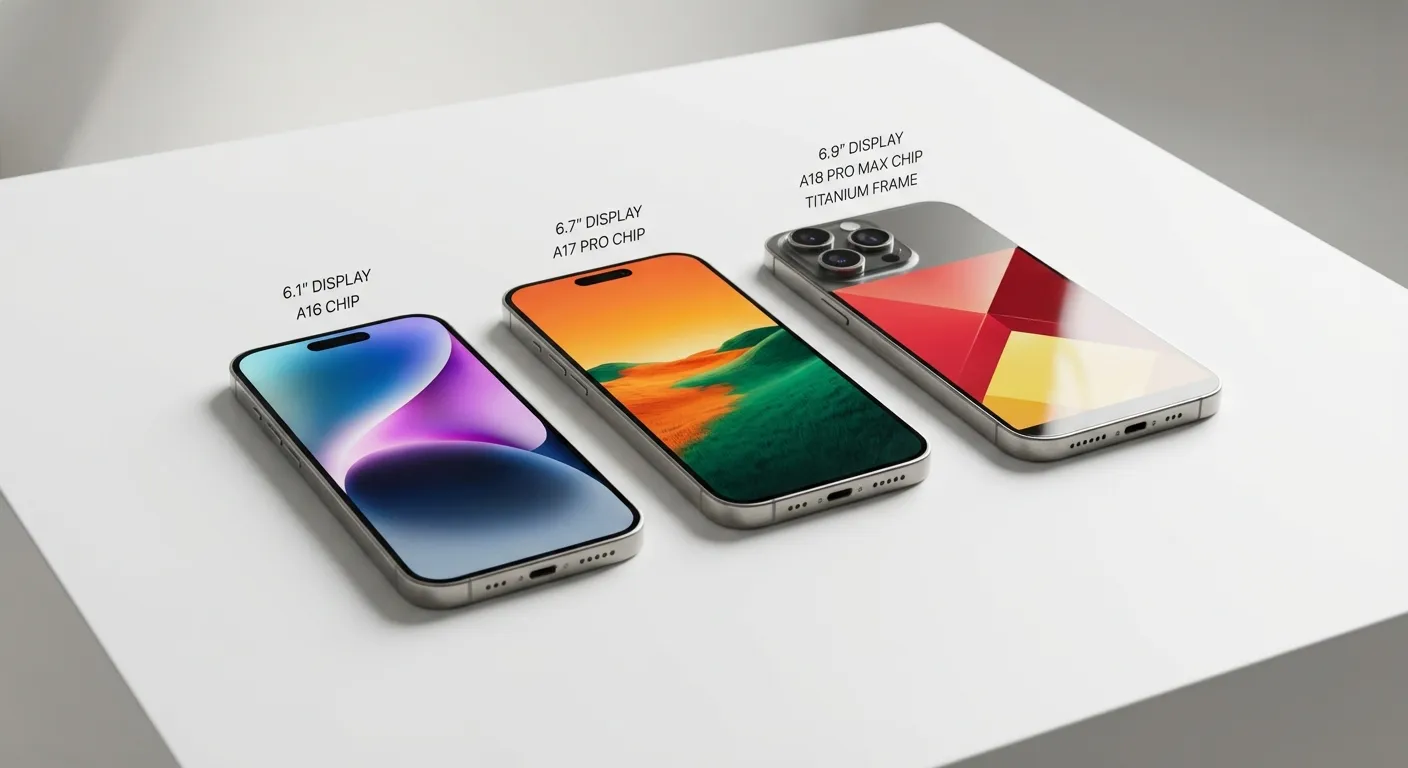
Spec-wise, the S26 Ultra gets the most powerful hardware. It runs on the Snapdragon 8 Elite Gen 5 processor (at least in US models), features up to 16GB of RAM, offers storage up to 1TB, and packs a 200-megapixel primary camera alongside three additional lenses. The standard S26 and S26+ use Samsung's own Exynos 2600 chip with 12GB of RAM, 50-megapixel main cameras, and 5,000mAh batteries across the entire lineup. All three models feature 120Hz AMOLED displays.
Samsung is also announcing the Galaxy Buds4 and Buds4 Pro alongside the phones, featuring a new rectangular case design with transparent lids. A Qi2-compatible magnetic power bank and a 60W charging adapter round out the accessory lineup.
The Price Tag and Samsung's Aggressive Trade-In Play
European pricing has leaked ahead of the event, and it's roughly in line with expectations: the Galaxy S26 starts at 999 euros, the S26+ at 1,099 euros, and the S26 Ultra at 1,199 euros. US pricing hasn't been confirmed, but historically Samsung's US dollar prices mirror the euro figures closely.
What's unusual is how aggressively Samsung is pushing trade-ins. The company is offering up to $900 in trade-in credit for older devices, a remarkably high figure that suggests Samsung is more interested in locking users into the Galaxy ecosystem than maximizing per-unit revenue on launch day. Pre-orders will open immediately after the February 25 event, with retail availability targeting March 11.
That trade-in strategy isn't just generosity. The smartphone market has been sluggish, with upgrade cycles stretching beyond three years for most consumers. Samsung needs a compelling reason for people to trade in perfectly functional phones, and a privacy feature that no competitor offers could be exactly the kind of differentiation that moves units. It's harder to duplicate than a camera spec or a processor benchmark.
Why Privacy Is Samsung's Smartest Bet in Years
The broader context here matters. Smartphone makers have been struggling to give consumers a reason to upgrade for years. Cameras hit "good enough" for most people around 2023. Processors are fast enough for virtually every consumer workload. Battery life improved to the point where most phones comfortably last a full day. The industry has been chasing marginal improvements and hoping foldable screens would drive the next upgrade wave, but foldables remain a niche product.
Privacy, on the other hand, is a problem that's getting worse, not better. Shoulder surfing is one dimension of it, but the broader trend includes increasingly sophisticated visual hacking techniques, corporate espionage concerns, and a general public awareness of digital privacy that has grown enormously since the pandemic pushed more of life onto mobile devices. A 2025 survey by the Pew Research Center found that 79% of Americans expressed concern about how their personal data is collected and used, up from 72% just two years earlier.
Samsung is essentially doing what Apple did with privacy in 2021, when it launched App Tracking Transparency and positioned privacy as a premium feature worth paying for. But Samsung is doing it at the hardware level, which is harder to replicate and creates a more durable competitive advantage. If Flex Magic Pixel works as advertised, it could take Apple and Google a full product cycle or more to develop a comparable response.
What Happens Next
The Galaxy Unpacked event on February 25 will provide the full picture: final pricing, complete AI feature demonstrations, hands-on impressions, and presumably a detailed technical explanation of how Flex Magic Pixel performs in real-world conditions. The event falls just days before Mobile World Congress in Barcelona, which means Samsung will dominate the pre-MWC news cycle.
The key question isn't whether the technology works. It's whether Samsung can convince mainstream consumers that screen privacy is a problem worth paying for. The company clearly thinks the answer is yes, and the $900 trade-in offers suggest it's willing to invest heavily to prove the point. If Samsung is right, the Galaxy S26 won't just be another annual phone upgrade. It'll be the device that defined what smartphones prioritize in 2026 and beyond.
Sources
- Samsung to hold its Galaxy S26 event on February 25 - TechCrunch
- Galaxy Unpacked February 2026: The Next AI Phone Makes Your Life Easier - Samsung Global Newsroom
- Samsung Galaxy S26 Debuts AI Privacy Display for Public Screen Security - WebProNews
- Galaxy Unpacked 2026: Everything about the Galaxy S26 series - Samsung Magazine