Walk through Lisbon’s Bairro Alto on a Tuesday afternoon and you’ll hear more Brooklyn than Portuguese. The corner cafe where Maria Santos sold bica and pastéis de nata for 30 years is now a “digital nomad hub” charging €5 for oat milk lattes. Her apartment upstairs, where three generations of her family lived? Rented to a rotating cast of Instagram influencers at triple what she could ever afford.
This is Portugal in 2025: a country that invited the world to work remotely from its sun-drenched shores, only to discover that paradise has a price tag locals can’t pay. The same forces driving the collapse of remote-first corporate policies are reshaping entire nations. Between 2019 and 2024, Portugal issued over 90,000 digital nomad visas, more than any other European country. The program worked exactly as planned, bringing wealthy remote workers, international investment, and global attention. What nobody anticipated was how quickly success would turn toxic.
The Golden Visa That Worked Too Well
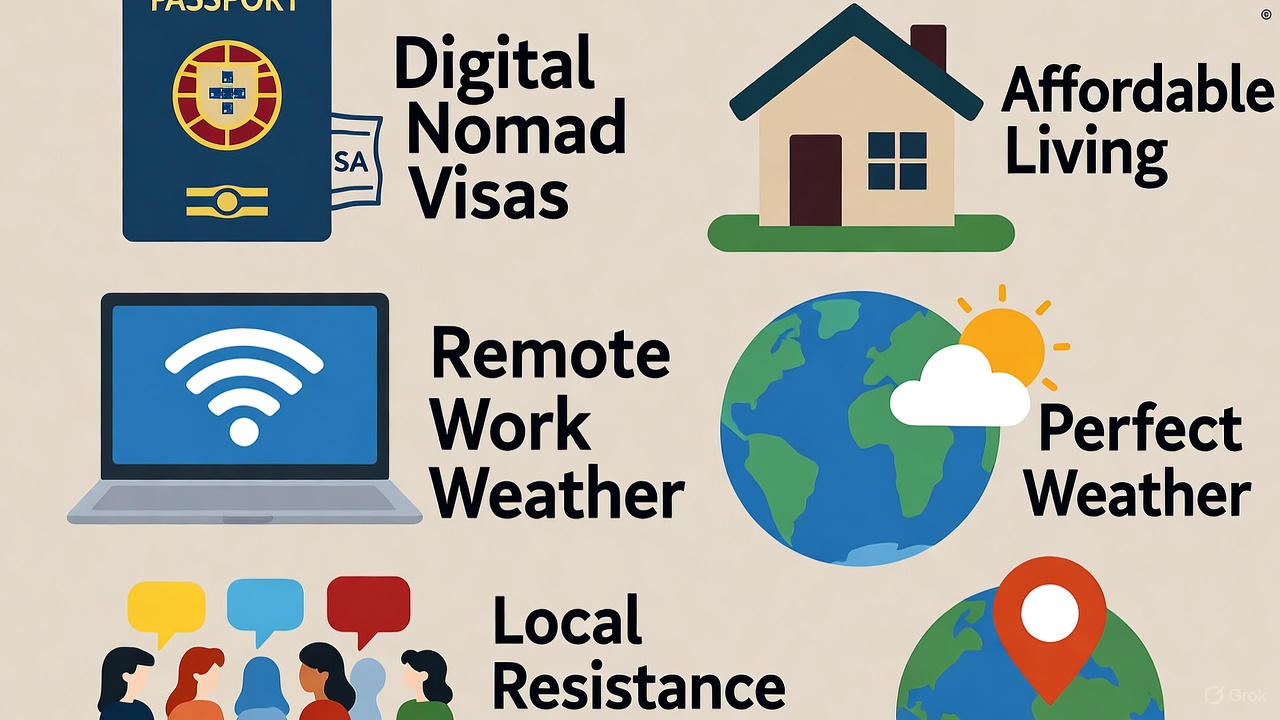
Portugal’s pitch was irresistible: earn €3,040 per month working remotely, and you get tax breaks, residency rights, and access to one of Europe’s most beautiful countries. For digital workers from San Francisco, London, or Sydney earning multiples of that figure, it was a no-brainer. Cost of living was 40% lower than major Western cities. The weather was perpetually perfect. And the bureaucracy, while Portuguese, was manageable.
The results exceeded all projections. Lisbon’s foreign population surged 47% in five years. Porto, Faro, and even smaller towns like Lagos transformed into expat colonies. Coffee shops installed fiber-optic internet and English menus. Real estate developers built luxury apartments marketed exclusively to foreigners. The Portuguese economy boomed, GDP grew, and international media declared Portugal the remote work capital of Europe.
But underneath the success story, a crisis was brewing. The same program bringing wealth to Portugal was systematically displacing the people who actually lived there.
When Your Neighbors Can’t Afford to Be Your Neighbors
The housing math is brutal and simple. A Portuguese nurse earns around €1,200 per month. A software developer from Seattle working remotely might earn $8,000. When both compete for the same Lisbon apartment, there is no competition. Landlords, rational economic actors, evict long-term local tenants to rent at 2-3 times the price to foreigners who barely blink at the cost.
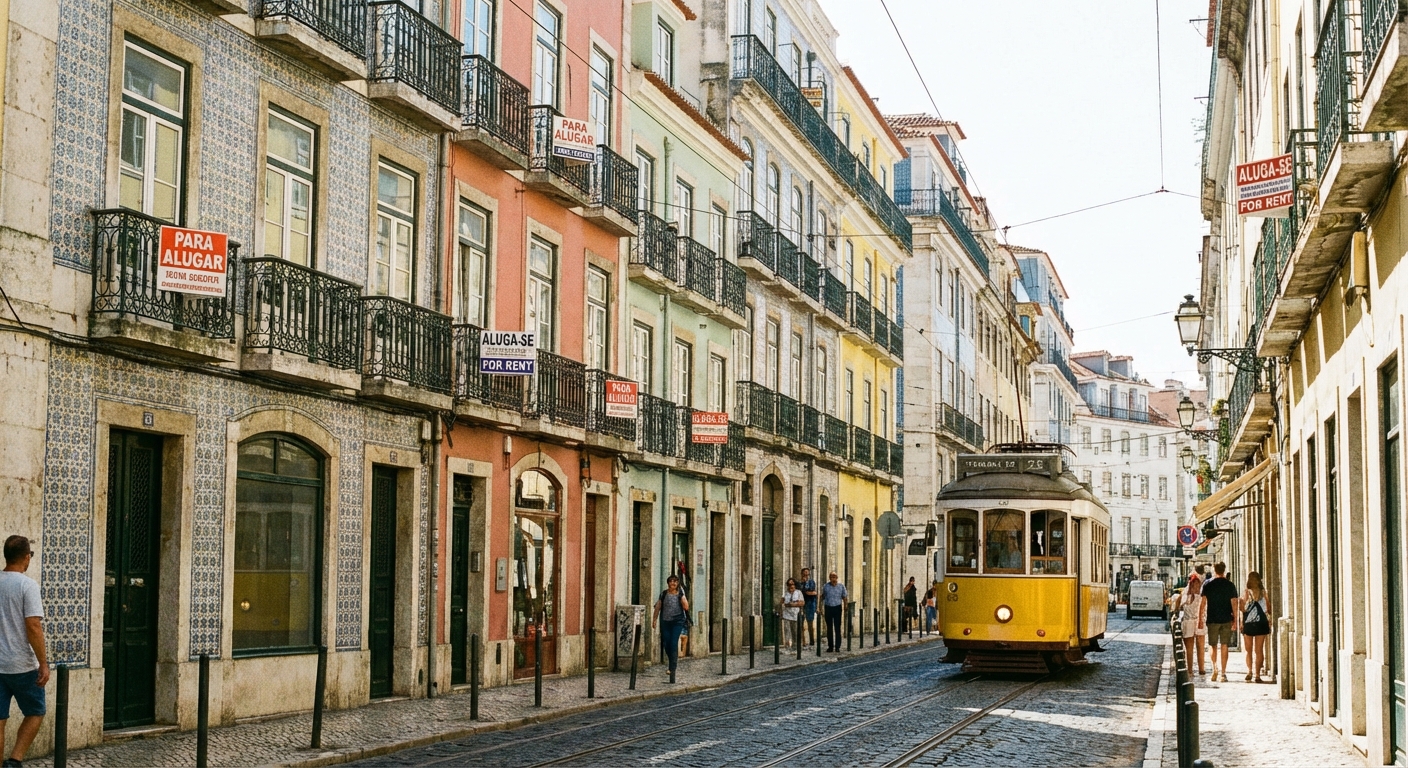
Rents in Lisbon doubled between 2019 and 2024, rising 110% while Portuguese wages grew just 12%. Over 30,000 residential units were converted to short-term rentals or foreigner-only housing, effectively removed from the local market. Entire neighborhoods gentrified in months, not years. Families who’d lived in the same building for generations found themselves priced out, forced to the suburbs or beyond.
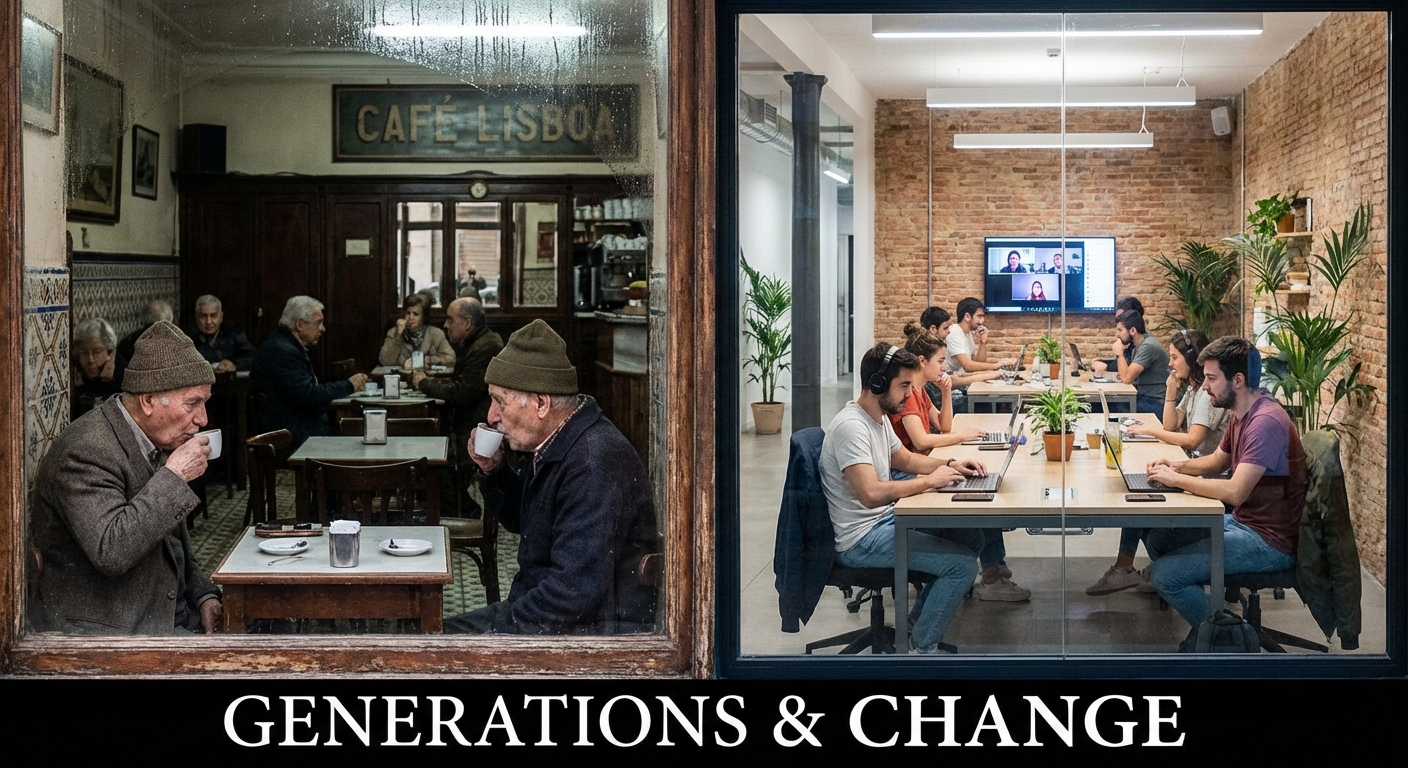
The resentment isn’t subtle. “No locals” rental listings became common enough to spark outrage. Service workers found themselves serving wealthy foreigners in neighborhoods they could no longer afford to live in. Portuguese became the second language in its own capital. Protests erupted demanding government intervention, with signs reading “Tourist Go Home” plastered across Lisbon and Porto.
The Correction Begins
In 2024, Portugal’s government finally responded. The golden visa program was terminated. Short-term rental taxes increased significantly. Rent control policies were implemented in major cities. And crucially, the requirements for digital nomad visas tightened, with new applicants required to demonstrate Portuguese language skills and community engagement.
The message shifted from “please come spend money here” to “only come if you’re willing to actually integrate into Portuguese society.”
The results are already visible. Visa applications dropped 35% in the first half of 2025. Rent growth is stabilizing as demand cools. Many digital nomads are relocating to the next cheap paradise, places like Albania, Romania, or Georgia, where the cycle is just beginning. Some are exploring less obvious destinations, following Japan’s attempts to attract foreign residents to offset demographic decline. Portugal isn’t closing its doors, but it is demanding that foreigners who benefit from living there contribute to the society, not just extract from it.
The Bottom Line
Portugal’s digital nomad experiment revealed a fundamental truth about remote work migration: when the wealthy descend on affordable places, those places stop being affordable. The dream of living cheaply in a beautiful European city works perfectly until 100,000 other people have the same dream. Then you’re not escaping the expensive housing market, you’re creating one.
For aspiring nomads eyeing Portugal or the next hot destination, the lesson is clear. You’re not just visiting, you’re changing the place you visit. If you go, learn the language, engage with the community, and understand that the “cheap paradise” exists only because the locals haven’t been priced out yet. Treat it like a home to build, not a backdrop for your lifestyle content.
Sources: Portugal’s Instituto Nacional de Estatistica, rental market reports, digital nomad visa statistics, housing policy documents, Portuguese news outlets.