
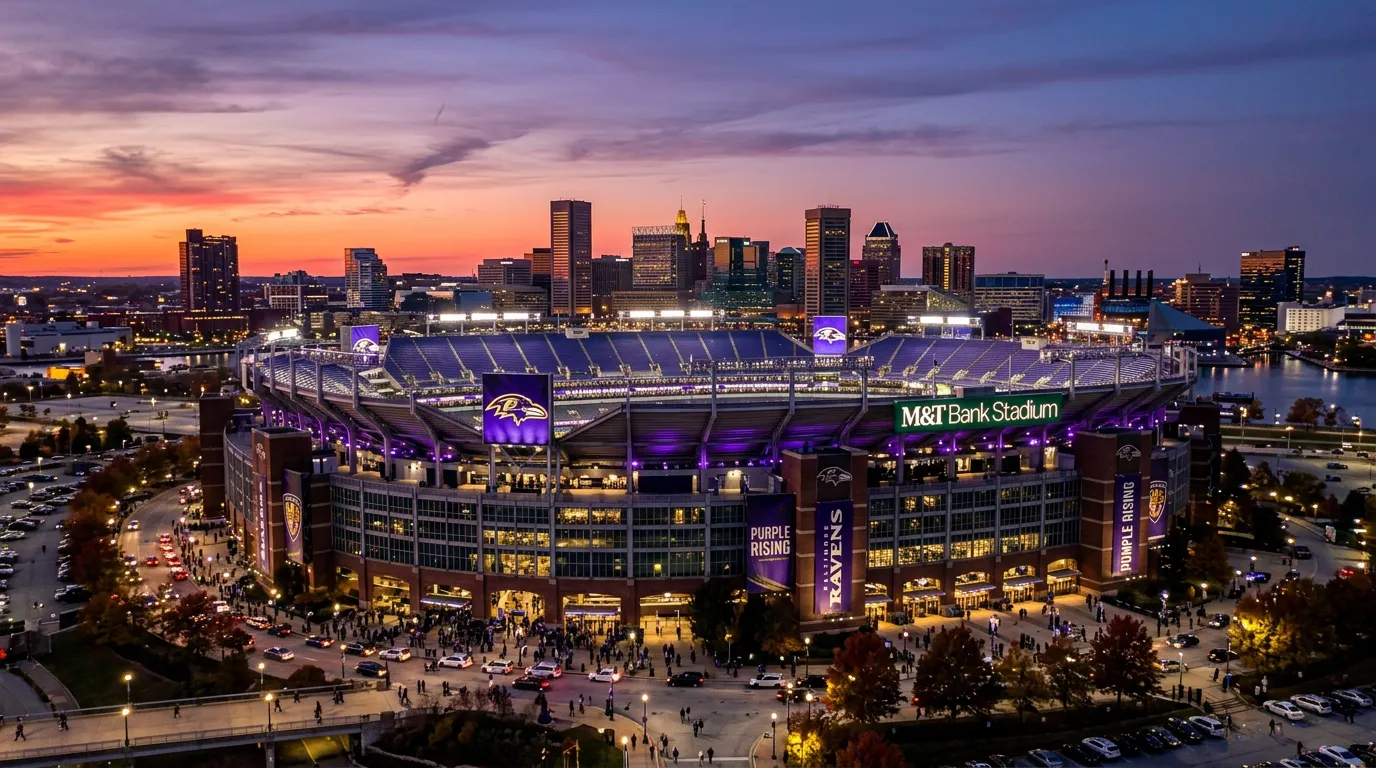
At approximately 9 PM Eastern on Tuesday night, the Las Vegas Raiders announced that the Baltimore Ravens had "backed out" of a trade that would have sent All-Pro defensive end Maxx Crosby to Baltimore for two first-round picks. By 10 AM Wednesday morning, the Ravens had agreed to a four-year, $112 million contract with Trey Hendrickson, the former Cincinnati Bengal who led the AFC in sacks last season. Thirteen hours separated a franchise-altering failure from a franchise-altering replacement. That timeline tells you everything about how the Ravens operate, and everything about the predicament the Raiders now face.
The Crosby trade was supposed to be the signature move of the 2026 offseason. Two first-round picks for a 28-year-old edge rusher who had made four consecutive Pro Bowls and posted double-digit sacks in five straight seasons. Baltimore was acquiring a generational pass rusher to pair with their existing defense. Las Vegas was stockpiling draft capital for a rebuild around a young core. Everyone won. Then Crosby's left knee showed up on a medical scan, and everything collapsed.
Inside the Physical That Killed a Blockbuster
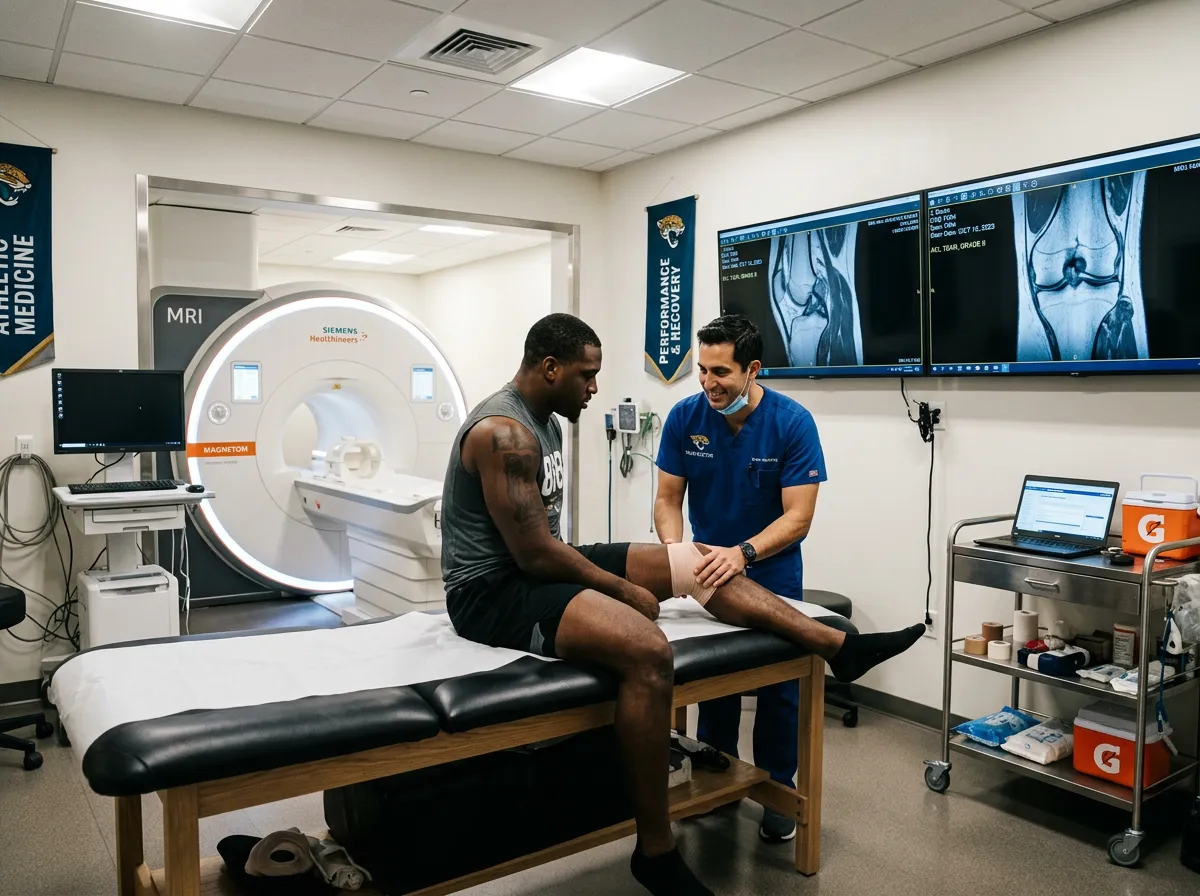
The specifics of Crosby's medical evaluation remain closely guarded, but the broad strokes are clear from multiple reports. ESPN's Adam Schefter reported that the Ravens rescinded the deal "due to medical concerns that arose during a physical." Crosby underwent surgery in January to repair a torn meniscus in his left knee, a procedure that typically carries a four-to-six-month recovery timeline.
Crosby's agent, CJ LaBoy, pushed back immediately. "Maxx continues to be on track in his recovery and if anything is ahead of schedule, according to his surgeon Dr. Neal ElAttrache," LaBoy said in a statement posted to X. "Maxx remains on track to return during the offseason program and will undoubtedly return as the dominant game wrecker he has been these past seven seasons."
The gap between LaBoy's statement and the Ravens' decision suggests Baltimore's medical staff saw something beyond the meniscus repair. Teams expect repaired meniscus tears. They price that into the deal. What they don't accept is evidence of additional structural damage, whether it's cartilage degradation, ligament laxity, or signs that the knee might require further surgery down the road. A torn meniscus alone would not kill a two-first-round-pick trade. Something else on that scan did.
What $112 Million Buys in the 2026 Pass Rush Market
The Hendrickson signing landed with remarkable speed for a contract of its magnitude. The four-year deal includes $60 million fully guaranteed and can reach $120 million with incentives, making it the second-largest defensive end contract in NFL history behind Myles Garrett's extension with Cleveland. Baltimore's front office, led by general manager Eric DeCosta, had clearly prepared for the possibility that the Crosby deal might fall through. Hendrickson was the contingency, not an afterthought.
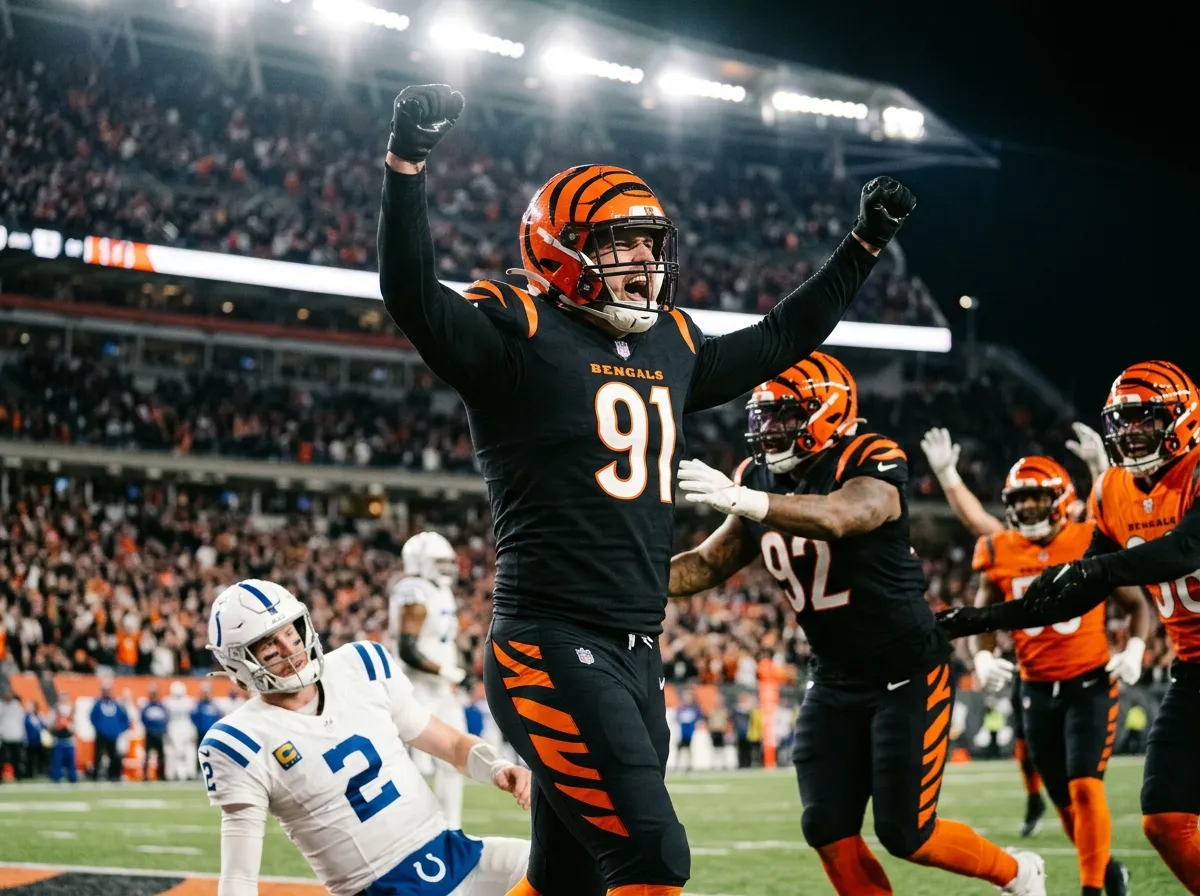
The numbers are worth examining. Hendrickson, who turned 31 in December, posted 14 sacks with the Bengals in 2025 and led the league with 83 total pressures, per PFF. Over the past four seasons combined, only Crosby and Garrett have generated more quarterback pressures among edge defenders. Hendrickson's consistency is not in question. His age is the variable.
Paying $28 million per year for a 31-year-old edge rusher is aggressive by any historical standard. The contract will carry a significant cap hit through Hendrickson's age-34 season. But the Ravens' calculus is straightforward: Lamar Jackson is in his prime, the defense is built to compete now, and the window for a Super Bowl run does not wait for draft picks to develop. Two first-round selections that would have gone to Las Vegas for Crosby are still on Baltimore's draft board. The Ravens effectively kept their picks and got a slightly older, slightly less dynamic, but demonstrably productive pass rusher instead.
"This was always about adding an elite edge presence for 2026," a person familiar with the Ravens' thinking told ESPN's Jamison Hensley. "The method changed. The goal didn't."
Why Baltimore Actually Got the Better Outcome
This is the argument that will take months to settle, but the initial math favors the Ravens more than the Crosby collapse would suggest. Consider what Baltimore avoided and what it gained.
In the Crosby trade, the Ravens would have surrendered two first-round picks, which, depending on where they landed in 2027 and 2028, could have been top-15 selections if the team hit a down cycle. They would have acquired a player recovering from knee surgery with enough medical red flags to fail a physical. Crosby's remaining contract, a restructured deal paying him roughly $24 million per year, would have been largely guaranteed upon the trade's completion.
With Hendrickson, the Ravens keep both first-round picks, gaining flexibility for future moves, whether that's trading up for a quarterback successor to Jackson or adding another premium talent. They signed a player who is healthy, available for OTAs, and coming off a 14-sack season. The total guaranteed money of $60 million is significant but manageable within a cap structure that still has room to extend key players like Roquan Smith and Mark Andrews.
The contrarian case is that Crosby at his peak is a more disruptive player than Hendrickson at his peak. That is probably true. PFF's pass rushing grades have Crosby as a top-three edge defender over the past four years, while Hendrickson ranks closer to eighth or ninth. But that comparison assumes Crosby returns to his peak after knee surgery at age 28, an assumption the Ravens' medical staff was not willing to make.
The NFL's history with edge rushers coming off significant knee procedures is mixed at best. Jadeveon Clowney never fully recaptured his pre-injury form after multiple knee surgeries. Robert Quinn's production dipped measurably in the two seasons after his 2019 meniscus repair. J.J. Watt's post-knee-surgery years (2016-2018) produced one elite season and two that didn't meet his standard. The Ravens chose the player they could count on for 2026 over the one they couldn't be sure about.
The Raiders Are Stuck, and They Know It
The fallout in Las Vegas is considerably worse. The Raiders entered the offseason with a clear plan: trade Crosby's prime years for draft capital, accelerate the rebuild around picks and young talent, and move forward without a 28-year-old star who was going to demand a new contract by 2027 regardless. The Ravens' withdrawal blew that plan apart.
Crosby is now a player that the league knows one team already rejected on medical grounds. Whether that evaluation was overly conservative or genuinely warranted, the stigma exists. Every team that calls the Raiders about Crosby will now demand their own physical, and they'll scrutinize the knee more aggressively than they would have a week ago. The price has dropped. Two first-round picks, the Ravens' offer, was likely the ceiling of Crosby's trade market. The record salary cap opened free agency with historic spending, but teams with cap space would rather sign healthy players than trade premium picks for medical question marks.
Raiders head coach Antonio Pierce addressed the situation briefly Wednesday: "Maxx is a Raider. He's our guy. We're building around guys like him." But Pierce's public support doesn't change the fundamental problem. Crosby wanted out. The trade was not initiated by the Ravens; it was negotiated over several days with Crosby's knowledge and at least tacit approval. Putting that dynamic back in the bottle is not simple.
The 2026 NFL Combine showcased a strong edge-rushing class, which gives the Raiders another option: draft Crosby's eventual replacement while he plays out the remaining years of his deal. But that strategy only works if Crosby is willing to perform at his peak for a team he tried to leave. History suggests that unhappy stars who are denied exits, from Le'Veon Bell to Deshaun Watson, rarely return to form in the same locker room.
The Verdict
The Ravens' 13-hour pivot from Maxx Crosby to Trey Hendrickson will be studied in NFL front offices for years. Not because the outcome is guaranteed to work, but because the process reveals what preparedness looks like at the highest level of professional sports management. Baltimore had a backup plan that was nearly as good as the original, and they executed it before sunrise.
The Hendrickson signing gives Baltimore a proven pass rusher on a reasonable contract while preserving draft capital. The Crosby collapse leaves Las Vegas with a disgruntled star, a diminished trade market, and a rebuild that just got harder. For the Ravens, the worst night of their offseason turned into one of their best mornings. For the Raiders, the fallout is only beginning.
Sources
- Sources: Ravens nixed trade for Crosby due to medical concerns - ESPN
- What canceled Maxx Crosby trade means for Raiders, Ravens - ESPN
- Barnwell makes sense of the Crosby trade and the Hendrickson signing - ESPN
- Ravens, Trey Hendrickson agree to 4-year, $112M contract - Yahoo Sports
- Maxx Crosby's agent disputes medical concerns - Fox News