
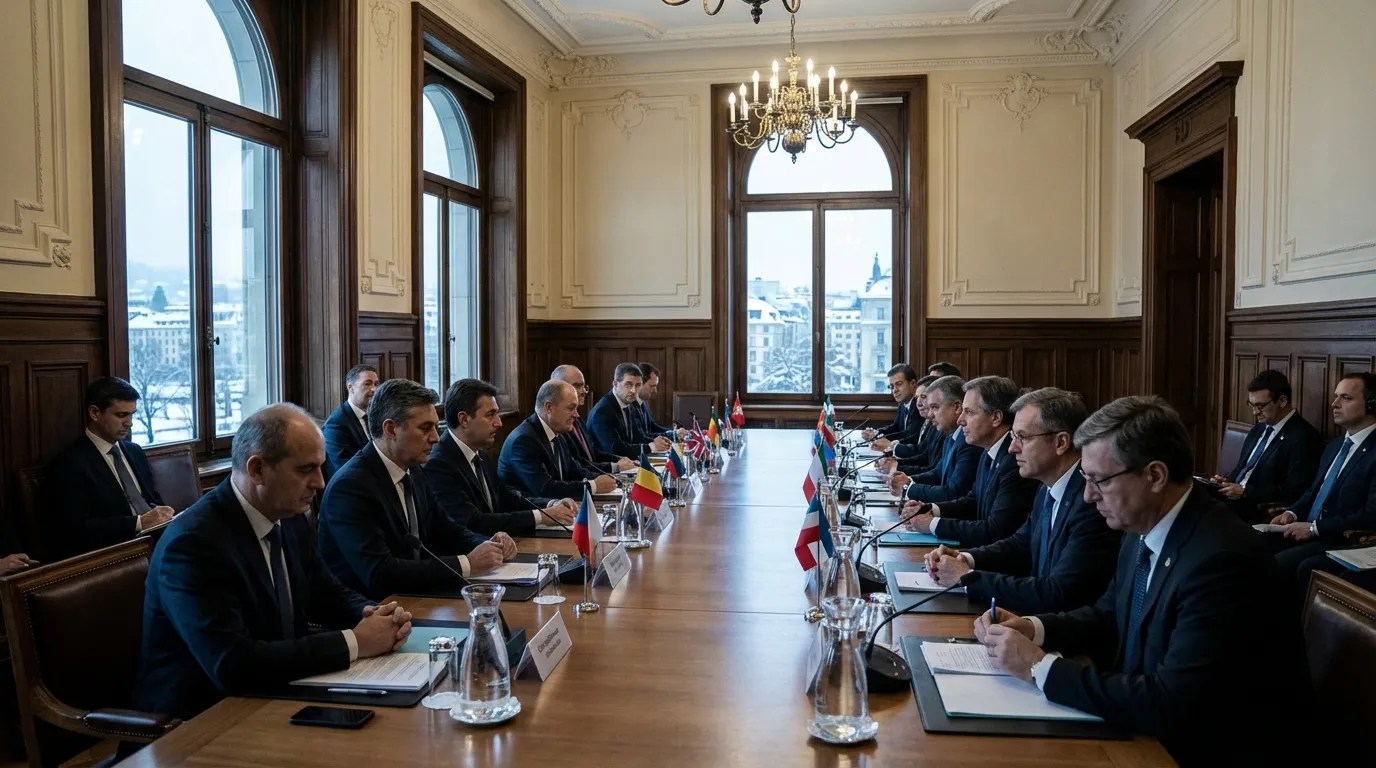
The military negotiators largely agree on how to stop the fighting. The politicians can't agree on what happens after it stops.
That was the essential takeaway from the second and final day of Ukraine-Russia peace talks in Geneva on Tuesday, the third round of U.S.-mediated trilateral negotiations since January. After roughly two hours of talks, both sides described the sessions in the kind of diplomatic language that acknowledges effort without claiming success: Russia's chief negotiator, Vladimir Medinsky, called the discussions "difficult but businesslike." Ukraine's delegation, led by National Security and Defense Council Secretary Rustem Umerov, said they were "substantive." White House envoy Steve Witkoff announced "meaningful progress" and confirmed that all three parties had agreed to continue talking.
But the word nobody used was "breakthrough." And the gap between what the military teams accomplished and what the political negotiators couldn't resolve tells you everything about where this process actually stands.
What the Military Teams Got Right
The clearest signal of progress came from the military track, where Ukrainian and Russian commanders worked alongside senior U.S. military officials, including Gen. Alexus Grynkewich, the U.S. military commander in Europe, and Dan Driscoll, the Secretary of the U.S. Army.
President Volodymyr Zelensky said afterward that the military delegations had "basically agreed on pretty much everything" related to ceasefire monitoring. "Monitoring will definitely involve the American side," he added, indicating that U.S. forces would play a direct role in verifying compliance if a ceasefire is reached. That's a significant commitment, one that goes beyond mere mediation and implies a degree of American skin in the game that neither side could easily dismiss.
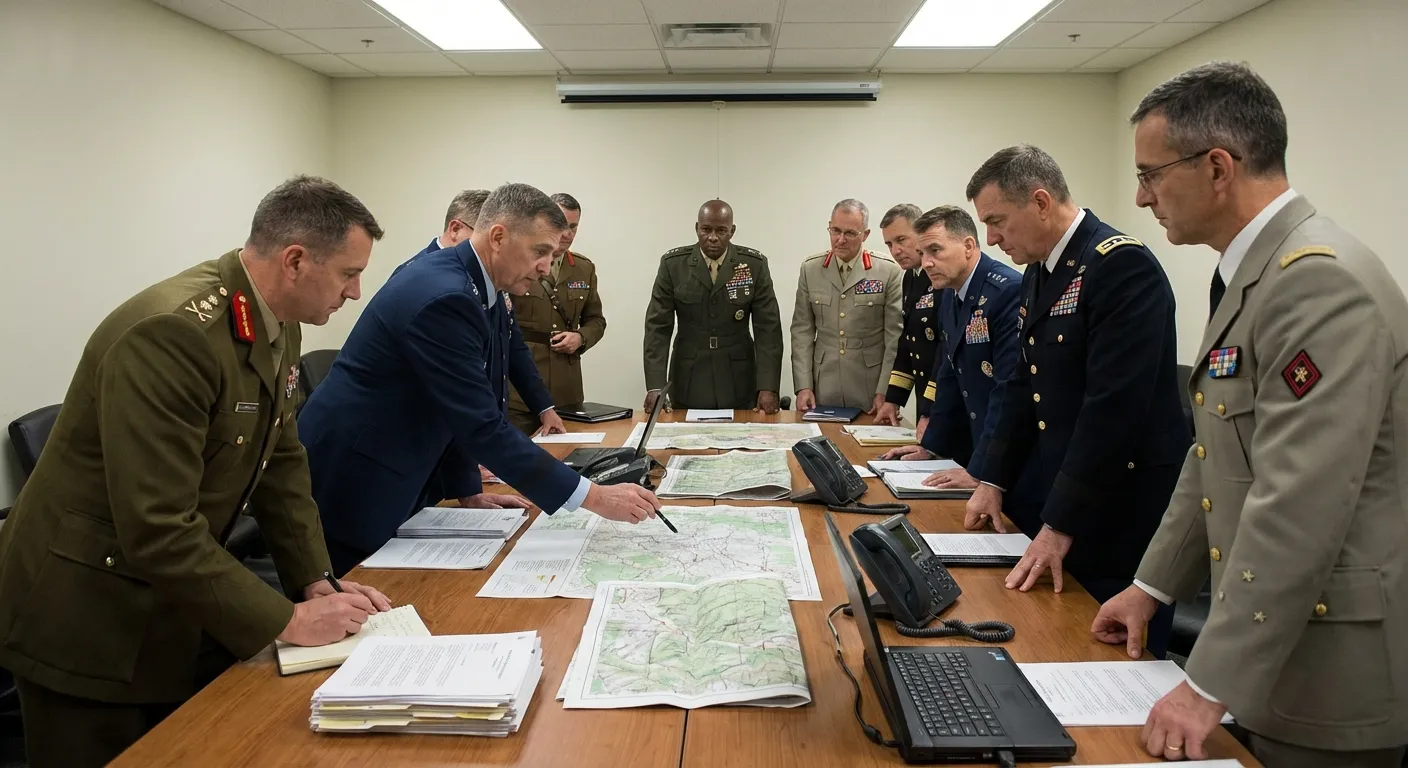
The military-track progress makes practical sense. Soldiers on both sides understand the mechanics of disengagement: who moves where, who monitors what, how communication channels stay open. These are technical problems with technical solutions. The talks in Abu Dhabi in early February addressed military communication protocols, and the Geneva round built on that foundation. If the political leadership of both countries decided tomorrow to halt fighting, the military teams could implement a monitoring framework relatively quickly.
The problem, of course, is that the political leadership has not decided anything of the sort.
Where the Politics Fell Apart
The political track stumbled on the same obstacles that have defined this conflict since Russia's full-scale invasion in February 2022: territory and sovereignty.
Russia continues to demand that Ukraine formally cede control of the eastern Donbas region, territory that represents nearly 20% of Ukrainian land. Sources familiar with the talks described discussions on this point as "particularly tough." Moscow has given no indication that it's willing to soften these demands, which effectively ask Ukraine to accept the permanent loss of internationally recognized territory seized through military force.
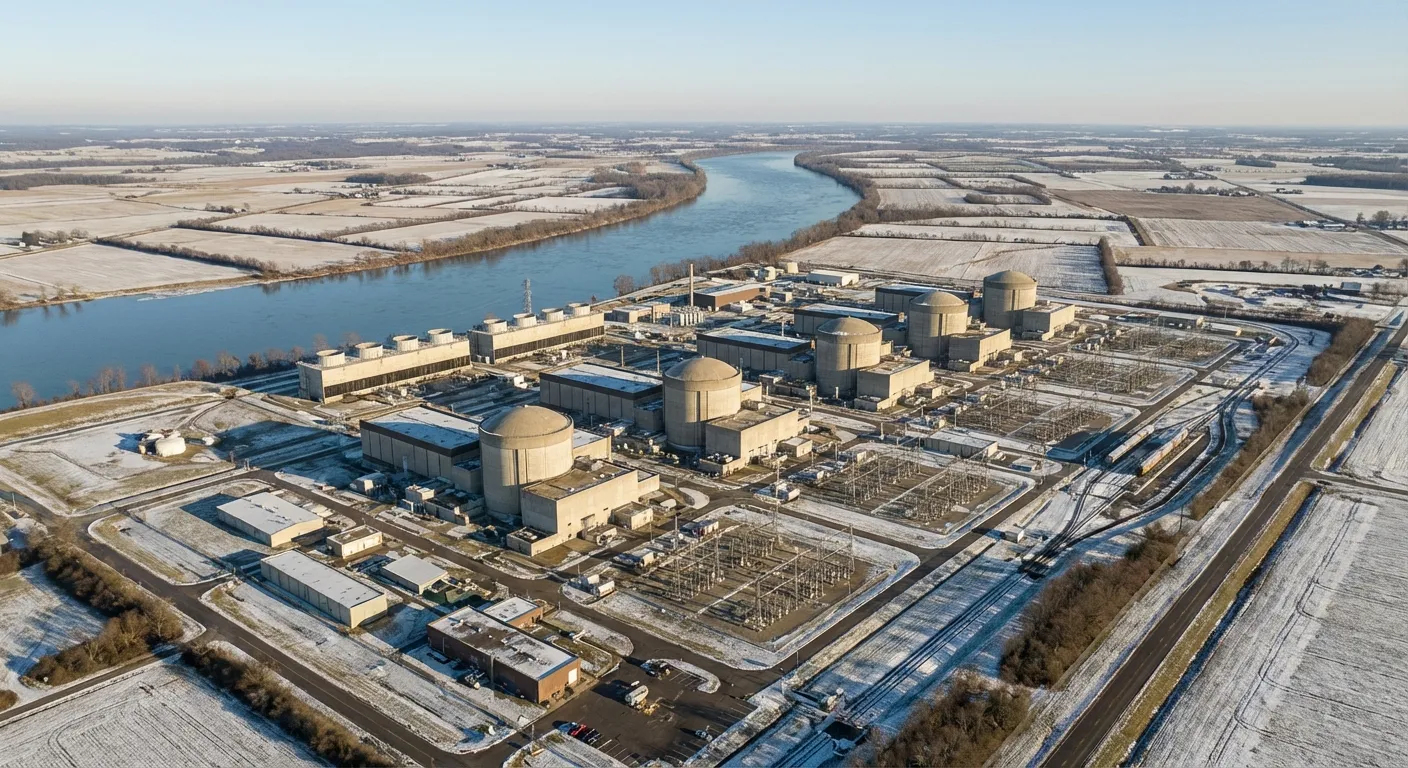
The future of the Zaporizhzhia Nuclear Power Plant, Europe's largest nuclear facility, emerged as another unresolved flashpoint. Russian forces have occupied the plant since March 2022, and its status sits at the intersection of energy security, environmental risk, and territorial sovereignty. Neither side appeared willing to make concessions on the plant's future control.
Zelensky was blunt about the disconnect. "I did not hear the same level of progress there as on the military side," he said of the political negotiations. He also noted that humanitarian issues, particularly prisoner-of-war exchanges and the release of detained civilians, were on the Day 2 agenda but did not produce concrete agreements.
Former U.S. Ambassador to Ukraine William Taylor offered a more skeptical assessment. "They have given no indication that they're willing to make any changes from their maximum demands," he said of the Russian delegation, suggesting that Moscow is using the talks to appear reasonable while running out the clock.
The American Balancing Act
The Geneva talks reveal the awkward position the United States occupies as mediator. Washington is simultaneously Ukraine's most important military supporter and the party pressing hardest for Kyiv to come to the negotiating table. President Trump told reporters during the talks, "Ukraine better come to the table fast," a statement that put public pressure on the side the U.S. ostensibly supports while giving Russia no equivalent deadline.
This dynamic mirrors what played out at the Munich Security Conference earlier this month, where Secretary of State Marco Rubio delivered reassuring rhetoric about allied solidarity while U.S. policy continued to prioritize direct engagement with Moscow. European allies have watched this pattern with increasing unease, a dynamic that was already visible at Davos in January and has only intensified since. The concern is that Washington's eagerness to broker a deal could result in terms that undermine Ukrainian sovereignty and, by extension, the principle that territorial borders cannot be redrawn by force.
The Trump administration has set a June deadline for reaching a settlement, an ambitious timeline given the gulf between the two sides. Witkoff's announcement of continued talks suggests the U.S. believes momentum can be maintained, but the gap between military-track consensus and political-track deadlock presents a structural challenge. You can build the plumbing for a ceasefire, but if the two sides can't agree on the political architecture above it, the plumbing doesn't matter.
A Pattern of Progress Without Resolution
The Geneva round followed a now-familiar rhythm. Earlier talks in the United Arab Emirates in January and early February were described as "constructive" by all parties but also produced no breakthroughs. Each round generates cautious optimism about continued dialogue while leaving the fundamental questions untouched.
This pattern is not uncommon in conflict negotiations. The Oslo Accords, the Dayton Accords, and the Iran nuclear deal all went through extended phases where procedural progress masked substantive stalemates before political breakthroughs occurred, often under intense external pressure or after a shift in the military balance on the ground. The question is whether any equivalent catalyst exists here.
Meanwhile, the war itself continues to impose its own pressure. On the same night negotiators were talking in Geneva, Russian forces launched one ballistic missile and deployed 126 drones against Ukrainian targets, a reminder that military operations don't pause for diplomacy. Zelensky responded by announcing new sanctions against Belarusian President Alexander Lukashenko for "his assistance in the killing of Ukrainians," a move that underscored the broader regional dimensions of the conflict. These concurrent military strikes and diplomatic talks create a dissonance that both sides are willing to tolerate but that complicates any narrative of genuine progress toward peace.
The comparison that matters most may be the Korean armistice negotiations of 1951 to 1953, where military commanders reached operational agreements relatively quickly but political negotiations over the demarcation line and prisoner repatriation dragged on for two years while fighting continued. The Korea parallel isn't perfect, but it illustrates a relevant dynamic: when both sides can agree on how to stop fighting but not on the terms that justify stopping, talks can persist indefinitely without a conclusion.
The Key Takeaway
The Geneva talks confirmed what has been true since these negotiations began: the technical machinery of peace is easier to build than the political will to use it. Military teams from both countries, working alongside American officers, have essentially designed a ceasefire monitoring framework. That's genuine, practical progress, the kind that matters if and when a political agreement materializes.
But the political agreement is nowhere close. Russia's territorial demands remain maximalist. Ukraine's insistence on sovereignty and security guarantees remains firm. The United States is pressing both sides but applying visibly more pressure on Kyiv. And the June deadline the Trump administration has set looks increasingly ambitious given the pace of political-track progress.
The next round of talks has been confirmed but not scheduled. Both delegations will brief their leaders on the outcomes before regrouping. What nobody can predict is whether the gap between what the soldiers figured out and what the diplomats couldn't will narrow, or whether it will define the shape of this conflict for months or years to come.
For the millions of Ukrainians living under occupation or within range of Russian missiles, the distinction between military-track consensus and political-track deadlock is not academic. It's the difference between a ceasefire that could begin in weeks and a war that continues indefinitely.
Sources
- Russia-Ukraine talks: 'Difficult' negotiations end, more planned - Al Jazeera
- Zelenskyy Says 'Progress' In Military Talks In Geneva, Political Talks 'Not Easy' - RFE/RL
- Land in focus at new Geneva peace talks between Russia and Ukraine - NBC News
- Ukraine war talks in Geneva end without agreement on territory - France 24