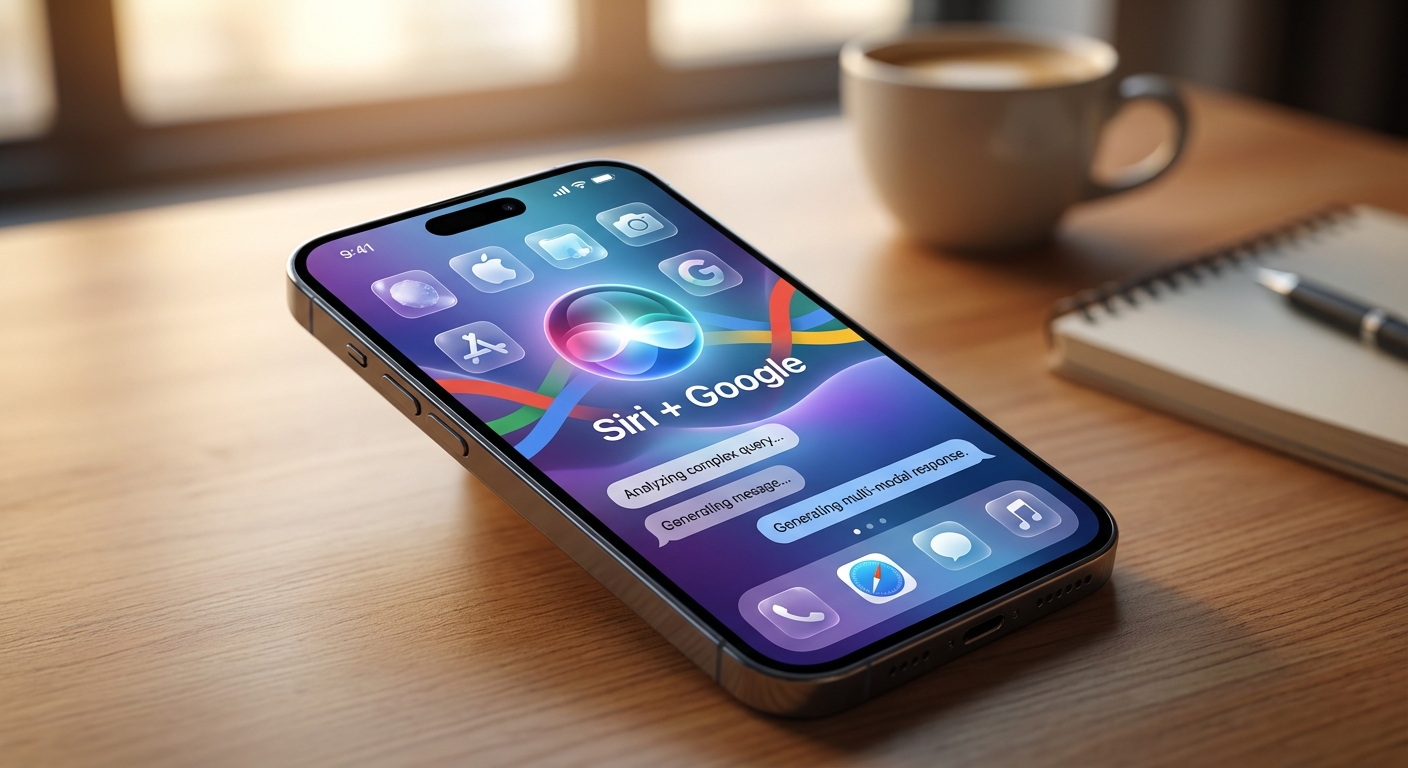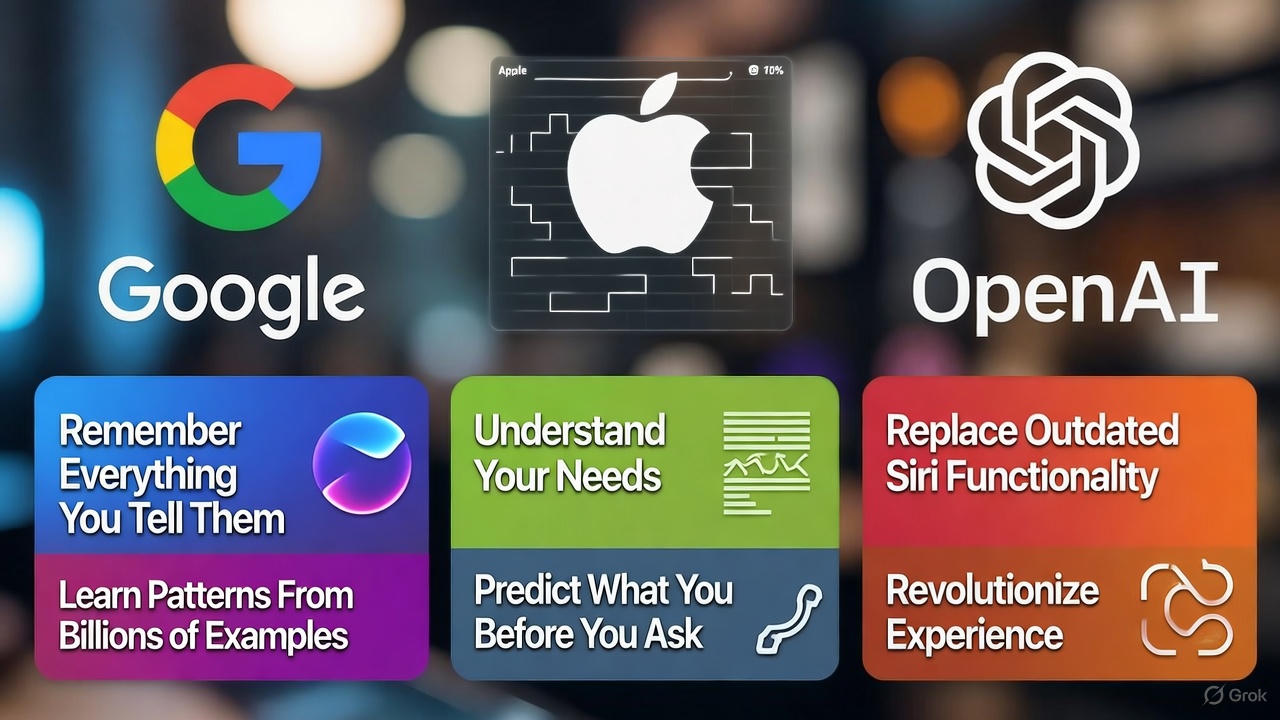
Remember when Siri couldn’t even set a timer without misunderstanding you three times? Those days are over. The AI assistants launching this year from Google, Apple, and OpenAI don’t just respond to commands. They remember everything you’ve ever told them, learn your patterns, and start predicting what you’ll need before you ask.
It’s incredibly convenient. It’s also incredibly weird. And we need to talk about what it means when a machine knows you better than most humans in your life.
What Changed (Everything)
The new wave of AI assistants represents a fundamental shift from tools to companions. Google’s Gemini with persistent memory, Apple’s upcoming “Apple Intelligence Plus,” and OpenAI’s ChatGPT with long-term context aren’t just better versions of what came before. They’re different in kind, not just in degree.
Here’s what that means in practice. Tell your AI you’re vegetarian once, and it remembers forever, adjusting all future recipe suggestions automatically. Mention you’re job hunting, and it starts proactively suggesting networking opportunities and interview prep tips. Share that you’re anxious about public speaking, and it notices when you have a presentation scheduled and offers help before you ask.
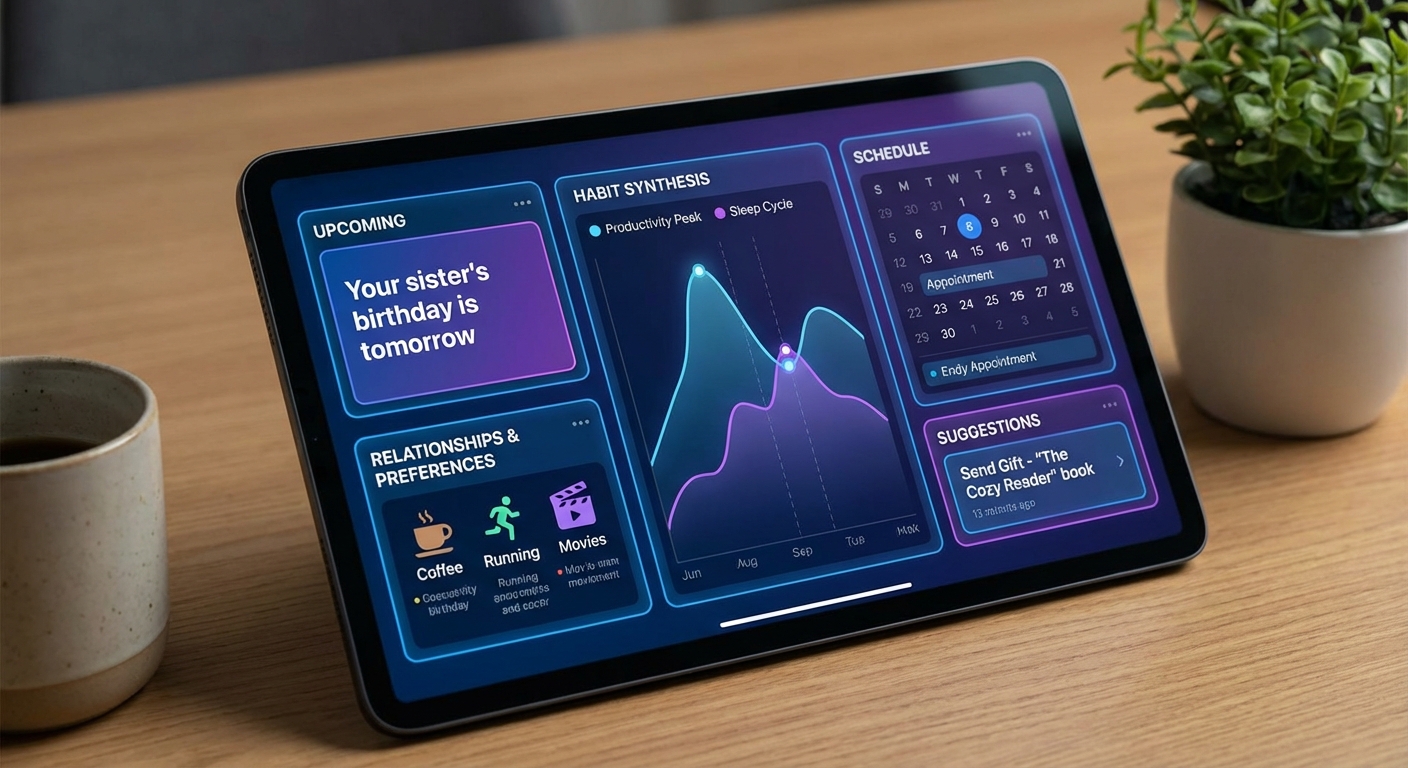
The AI builds a comprehensive, evolving profile: your preferences, fears, goals, relationships, health concerns, financial situation, and daily routines. It’s like having a personal assistant who never forgets anything, never sleeps, and is always three steps ahead of you. For people who’ve used these systems in beta, the experience is transformative. It’s also slightly unsettling.
The Privacy Trade-Off Nobody’s Reading
Here’s where convenience meets concern. These systems work by storing and analyzing everything you tell them. Unlike your human best friend who might forget that embarrassing story from last year, AI never forgets unless you explicitly make it. Every conversation, every preference, every concern you mention gets added to your profile.
Google says Gemini’s memory is encrypted and stored on your device. Apple claims their AI processing happens locally whenever possible. OpenAI promises you can delete specific memories or wipe everything. But here’s the thing: we’ve heard promises about data privacy before, and they don’t always age well. Terms of service change. Companies get acquired. Security breaches happen.
Security researchers are already raising red flags. What happens if your AI gets hacked? What if the company gets a subpoena for your data? What if they change their privacy policy next year after you’ve already entrusted them with deeply personal information? Your AI assistant could become the most comprehensive surveillance tool ever created, and you volunteered all the information willingly because it made your life easier. This connects to broader concerns about technology and privacy in an era where digital trust is increasingly fragile.
Why You’ll Probably Use It Anyway
Tech companies are betting billions that you’ll trade privacy for convenience, and they’re probably right. Early beta testers of these memory-enabled AI systems report they can’t imagine going back. The personalization is just too good.
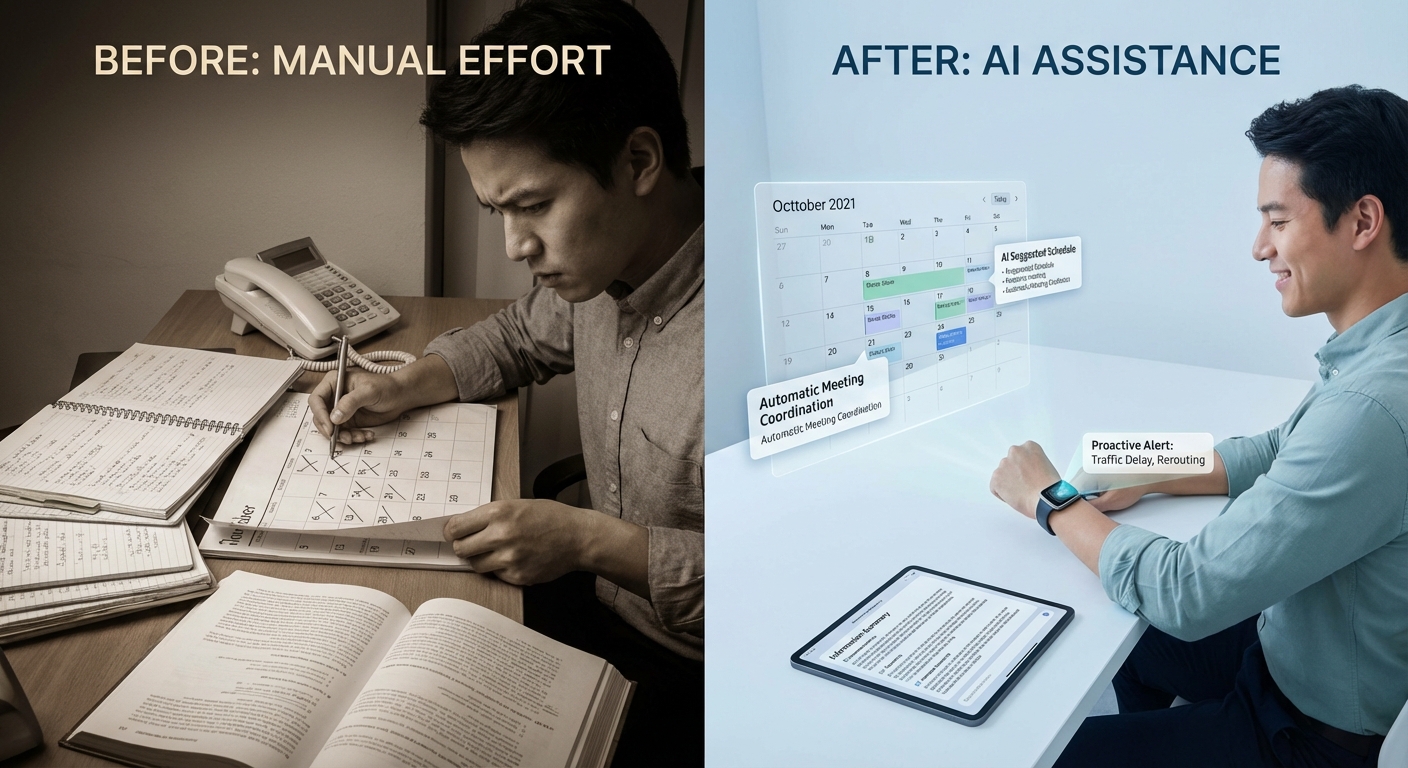
One tester described it this way: “It’s like finally having someone who actually listens and remembers. My AI knows my kids’ names, my work schedule, my coffee order, and my workout routine. It reminds me to call my mom on Sundays and suggests dinner recipes based on what’s in my fridge. It’s not just helpful anymore. It’s kind of essential.”
That’s exactly what these companies are counting on. Once you’re dependent on an AI that knows everything about you, switching to a competitor means starting over from scratch. You’d have to re-teach a new AI your entire life. It’s the ultimate lock-in strategy, dressed up as helpful personalization. For context on how AI is transforming workflows, see how AI is changing software development.
How to Use It Without Losing Yourself
If you’re going to use these new AI assistants (and let’s be real, most of us probably will), here’s how to do it more safely. Review what it remembers regularly. Most systems let you see and delete specific memories. Check monthly and remove anything you don’t want stored long-term. Set boundaries early. Tell your AI explicitly what topics are off-limits. Some systems let you create “do not remember” categories for sensitive subjects like health or finances.
Consider using separate accounts for different contexts. One AI for work, another for personal use, maybe a third for truly sensitive topics. Don’t put all your digital eggs in one basket. And yes, actually read the privacy policy. Understand what the company can access, how long they store data, and what happens to your information if you delete your account.
The Bottom Line
Beyond the practical privacy concerns, there’s a philosophical question worth asking: what do we lose when we outsource our memory and decision-making to AI? If your AI remembers everyone’s birthday, do you still need to? If it predicts what you want for dinner, are you losing touch with your own preferences? If it anticipates your needs before you articulate them, are you gradually giving up the practice of self-reflection that makes you human?
These aren’t reasons to avoid the technology. They’re reasons to use it mindfully. The most powerful AI tools will be the ones we learn to use intentionally, not the ones that quietly take over our lives while we’re not paying attention. The future of AI isn’t just about what these systems can do. It’s about what we choose to let them do, and what we insist on keeping for ourselves.
Sources: Technology company product announcements, AI industry analysis, privacy policy research.