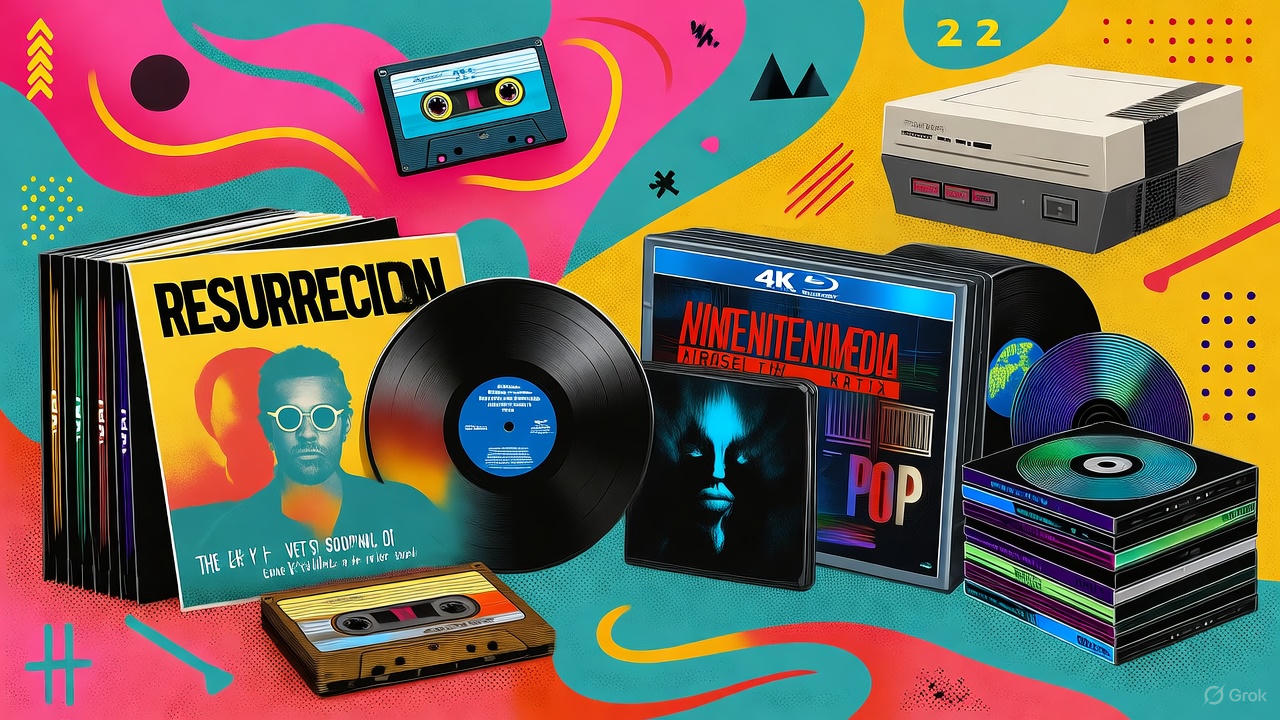
Streaming was supposed to bury physical media six feet under. Why would anyone buy a Blu-ray when Netflix exists? Why purchase vinyl when Spotify has 100 million songs? Turns out, millions of people have very good reasons. And the most surprising part? It’s not Gen X reliving their youth. It’s Gen Z, the generation raised on infinite digital libraries, who are now buying records, discs, and yes, even DVDs at rates that would have seemed impossible five years ago.
Vinyl sales hit 46 million units in 2024, the highest number since 1990. Physical video sales climbed 15% year-over-year after a decade of decline. Even as streaming dominates, TV’s current golden age has created more content worth collecting. Even CD sales have flatlined instead of continuing their nosedive. Something fundamental has shifted in how people think about owning versus renting their entertainment, and the streaming companies should be worried.
Why Ownership Suddenly Matters
You don’t own what you stream. That’s the uncomfortable truth everyone’s starting to internalize. HBO Max deleted finished shows to claim tax write-offs. Your favorite film disappeared from Netflix when the licensing deal expired. That album you bought on iTunes? Amazon just reminded you it’s actually a revocable license, not a purchase.
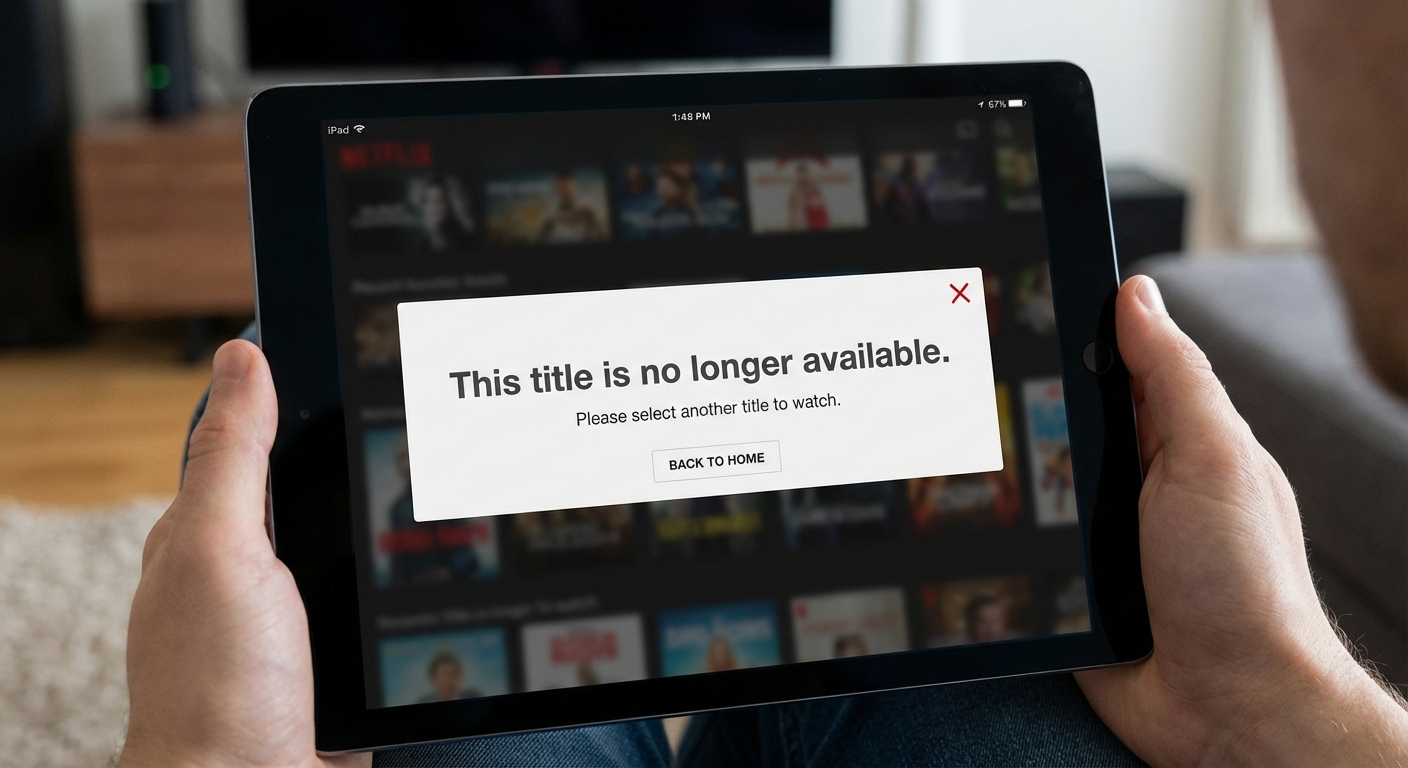
Gen Z watched this happen in real time. They saw music vanish from Spotify playlists. Shows they loved got scrubbed from existence. The lesson landed hard: if you don’t physically own it, you’re one corporate decision away from losing it. So they’re buying the things that matter most to them. It’s insurance against corporate whims wrapped in the aesthetic appeal of tangible media.
The Business Case for Plastic Discs
The vinyl market generated $1.3 billion in 2024, outselling CDs in revenue for three consecutive years. New pressing plants are opening for the first time in three decades because demand is that strong. For musicians, the economics are night and day. A vinyl sale nets the artist $15 to $25. A thousand Spotify streams? About three bucks.
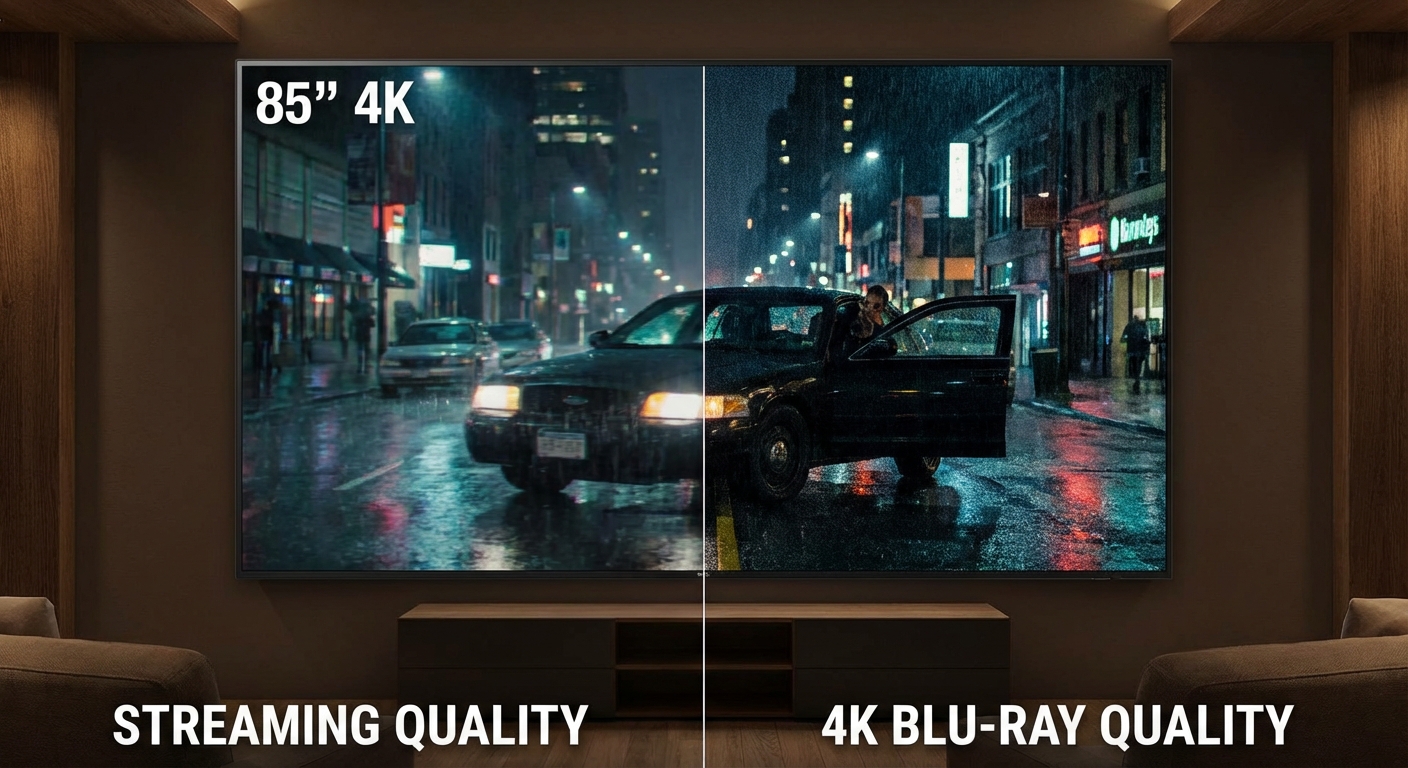
Physical video is thriving in the premium segment. 4K Ultra HD Blu-ray sales jumped 18% last year, driven by film enthusiasts who’ve discovered that streaming compression destroys audio and visual quality. Boutique labels like Criterion Collection and Arrow Video are printing money by serving collectors who want restored films, gorgeous packaging, and actual special features. The market has stratified: casual viewers stream everything, but people who genuinely care about a film buy the disc.
The Hybrid Future
This isn’t about streaming dying. It’s about the market finding equilibrium. Most people will continue streaming 90% of their content because convenience still matters. But that crucial 10%, the albums and films they truly love, those are getting purchased physically. And the numbers show it’s not a fad.
Artists and filmmakers are adapting fast. Many now release physical editions alongside or even before streaming debuts. Limited vinyl runs can fund entire careers in ways that streaming royalties never could. Studios are greenlighting collector’s editions because they’ve realized there’s real money in serving fans who want more than temporary access.
The Bottom Line
Physical media’s comeback isn’t nostalgia. It’s a rational response to an economy built on renting instead of owning. When you stream, you’re paying for access that can vanish tomorrow. When you buy the disc or record, it’s yours until you destroy it yourself. In an increasingly digital-first world where ownership is becoming rare, a shelf of media you actually control feels almost radical.
Sources: Music industry sales data, entertainment market research, consumer trend analysis.