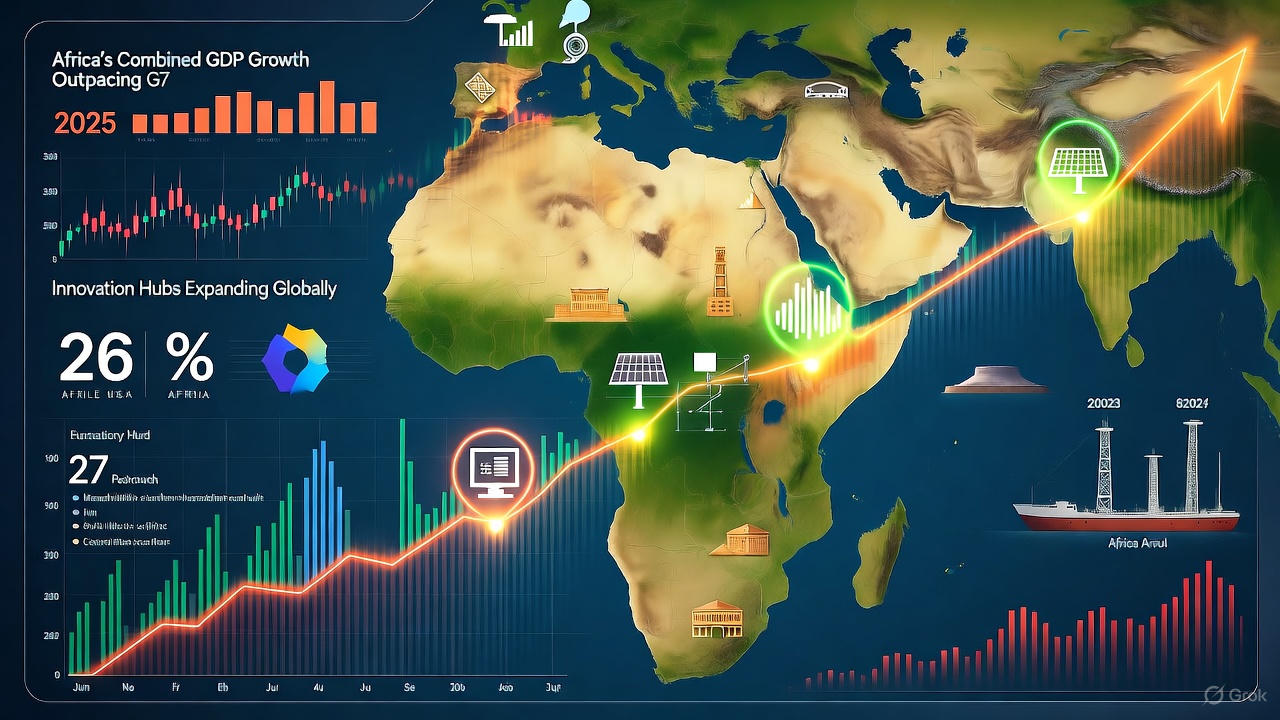
If you’re still thinking of Africa as a continent that needs saving, you’re working with outdated information. While G7 countries have been navigating political gridlock and economic stagnation, Africa’s combined GDP growth is quietly outpacing them. The shift is accelerating faster than most Western media is reporting, and the numbers tell a story that’s hard to ignore.
Africa isn’t just participating in the global economy anymore. It’s actively reshaping it.
The Numbers Don’t Lie
Six of the world’s ten fastest-growing economies are now in Africa. Countries like Kenya, Nigeria, Rwanda, and Ghana are posting GDP growth rates between 5-8% annually, while most developed nations struggle to hit 2%. The African Continental Free Trade Area (AfCFTA), which launched in 2021, has created the world’s largest free trade zone by number of countries, connecting 1.3 billion people and a combined GDP of $3.4 trillion.
To put that in perspective: if Africa were a single country, it would be the world’s eighth-largest economy, ahead of Italy and just behind France. This isn’t projection or potential. This is happening right now.
Tech Hubs Are Booming
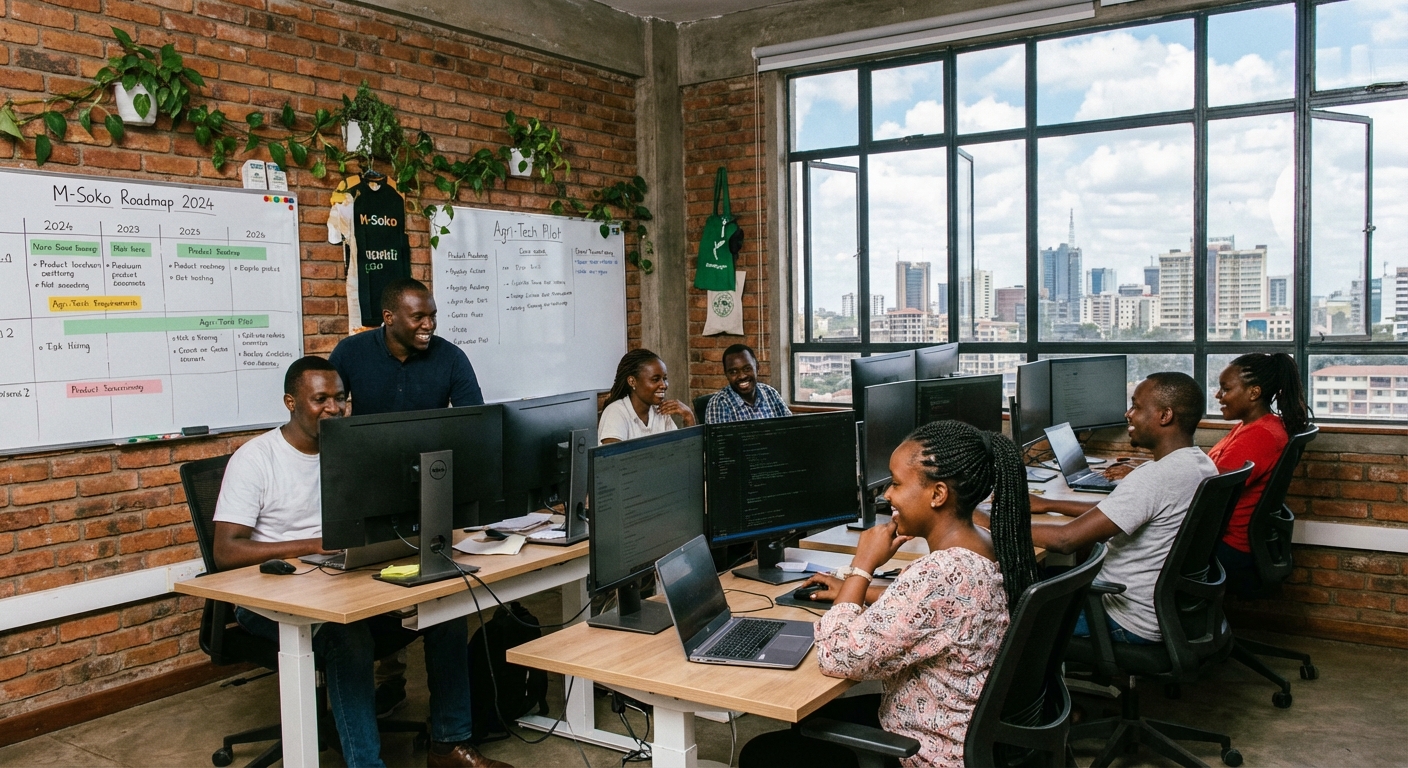
Nairobi’s “Silicon Savannah” has become a global fintech powerhouse, with Kenya’s mobile money platform M-Pesa processing more transactions annually than Western Union. The platform processes billions of dollars in transfers every month, and similar innovations are now part of the fabric of daily life across the continent. Lagos, Nigeria, has more tech startups than any city in Africa and recently attracted $1.5 billion in venture capital funding in a single quarter.
Rwanda, meanwhile, has positioned itself as the “Singapore of Africa.” The country offers blazing-fast internet, business-friendly regulations, and ambitious plans to become a continental tech hub. It’s now home to innovation centers for companies like Volkswagen, Alibaba, and Microsoft. What makes this transformation remarkable is the speed: much of this infrastructure didn’t exist a decade ago.
The Youth Advantage
Here’s Africa’s secret weapon: demographics. The median age across the continent is just 19 years old, compared to 38 in the United States and 48 in Japan. By 2050, Africa will be home to 2.5 billion people, and most of them will be young, digitally-native, and ready to work. While other regions worry about aging populations and shrinking workforces, Africa is looking at a demographic dividend that could power growth for decades.
This isn’t just about labor. It’s about a massive consumer market hungry for smartphones, streaming services, fashion, and financial services. The companies that figure out how to serve this market now will be positioned for decades of growth. This pattern mirrors what happened with infrastructure investments becoming the next wealth-building opportunity, but on a continental scale.
New Power Dynamics
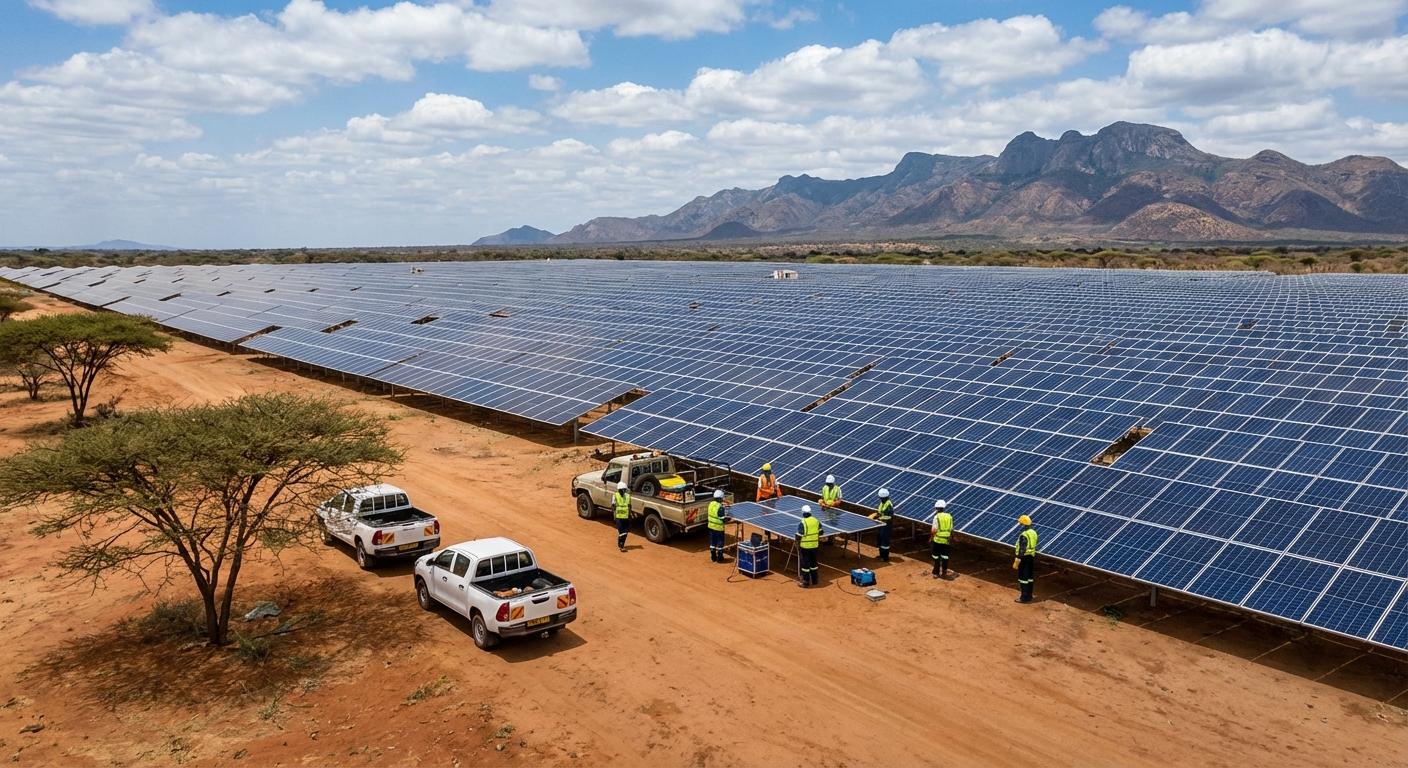
The global power shift is already underway. China and India have invested hundreds of billions in African infrastructure, building ports, railways, power plants, and fiber-optic networks. While Western nations debated foreign aid policies, these Asian powers were forming actual economic partnerships that created mutual benefit rather than dependency.
But Africa isn’t just swapping one set of foreign powers for another. Countries are increasingly setting their own terms, negotiating better deals, and building South-South trade relationships that bypass traditional Western intermediaries entirely. This is the kind of fundamental restructuring that creates new opportunities for those paying attention while catching others off guard.
What This Means for Everyone Else
The rise of Africa isn’t a feel-good story. It’s a fundamental restructuring of global economics. Supply chains are shifting. Investment flows are changing direction. The next generation of global brands won’t come from California or London. They’ll come from Lagos, Nairobi, and Accra.
For investors, entrepreneurs, and anyone paying attention to where the world is heading, Africa isn’t the future. It’s the present. And if you’re not watching what’s happening there, you’re already behind.
Sources: World Bank, African Development Bank, McKinsey Global Institute, Financial Times.