After more than two years of war, hundreds of thousands of deaths, and a humanitarian crisis that has drawn global condemnation, Israel and Hamas appear to be entering the most consequential phase of their ceasefire agreement. Israeli Prime Minister Benjamin Netanyahu announced Sunday that the transition to Phase Two could happen “very shortly,” potentially by the end of December. If the first phase was about stopping the immediate killing, the second phase is about ensuring it never resumes.
The announcement came during a joint press conference with German Chancellor Friedrich Merz in Jerusalem, where both leaders acknowledged that the coming months will test the durability of any peace arrangement. “We have a second phase, no less daunting,” Netanyahu said, “and that is to achieve the disarmament of Hamas and the demilitarization of Gaza.”
That sentence contains the fundamental challenge that has eluded every previous attempt at lasting peace in the region. Disarming Hamas isn’t just a military operation. It’s a political, social, and ideological transformation that skeptics argue may be impossible without massive international commitment and decades of sustained effort.
What Phase Two Actually Requires
The second stage of the U.S.-backed ceasefire plan includes three major components, each presenting its own set of challenges. First, Hamas must be disarmed and Gaza demilitarized. This means not just confiscating weapons, but dismantling the tunnel networks, manufacturing facilities, and smuggling routes that have allowed Hamas to rearm after previous conflicts. Previous attempts at demilitarization have failed because weapons continued flowing into Gaza through underground tunnels and maritime routes.
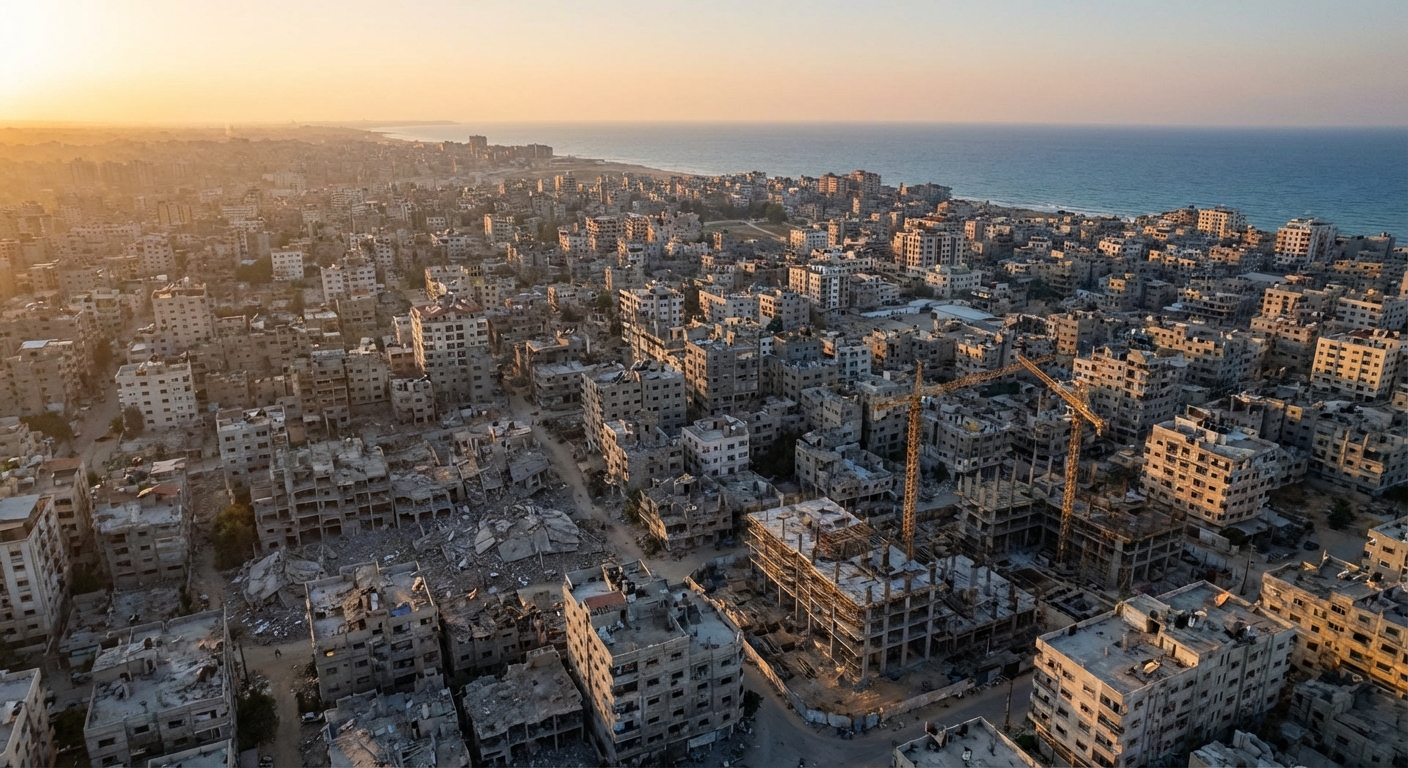
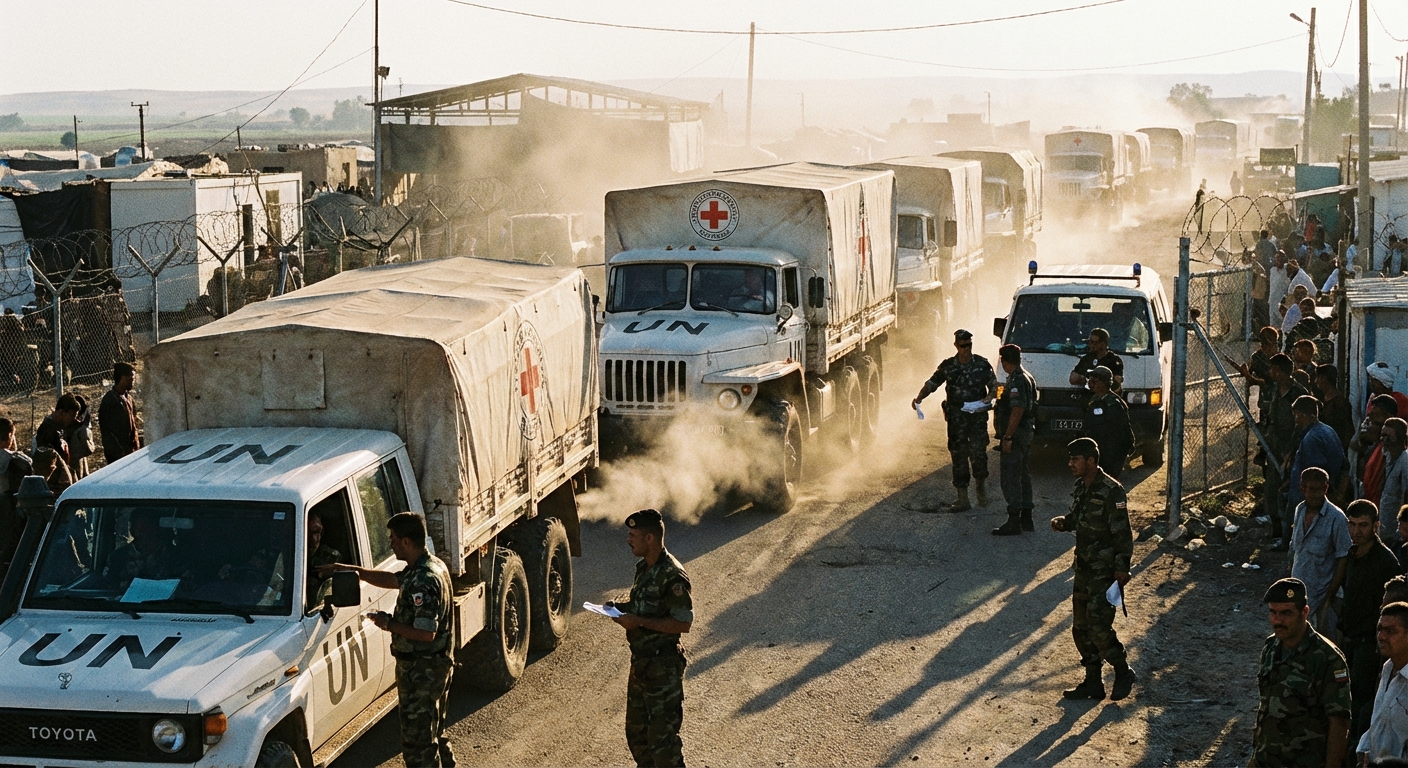
Second, an international force will be deployed to secure Gaza. This isn’t the first time such a force has been proposed, but the scale and mandate being discussed now go far beyond previous peacekeeping missions. The force would need to prevent weapons smuggling, maintain order during a political transition, and protect both Palestinian civilians and the nascent government from Hamas remnants or other militant factions. Germany has already committed to sending officers and diplomats to a U.S.-led coordination center in southern Israel to help implement this phase.
Third, a temporary Palestinian government must be formed to handle day-to-day governance under international supervision. This is perhaps the most politically fraught element, as it requires identifying leadership that is acceptable to Palestinians, Israel, the United States, and regional powers like Egypt and Saudi Arabia. The Palestinian Authority, which governs parts of the West Bank, has been weakened by years of corruption allegations and its perceived failure to advance Palestinian statehood.
Germany Steps Up as Key Partner
Chancellor Merz’s visit to Jerusalem wasn’t just diplomatic symbolism. Germany is positioning itself as a central player in whatever post-war Gaza looks like, a significant commitment from Europe’s largest economy and a country still grappling with historical responsibilities related to Israel’s founding. Merz announced that Germany would send officers and diplomats to the U.S.-led civilian and military coordination center, while also ramping up humanitarian aid to Gaza.
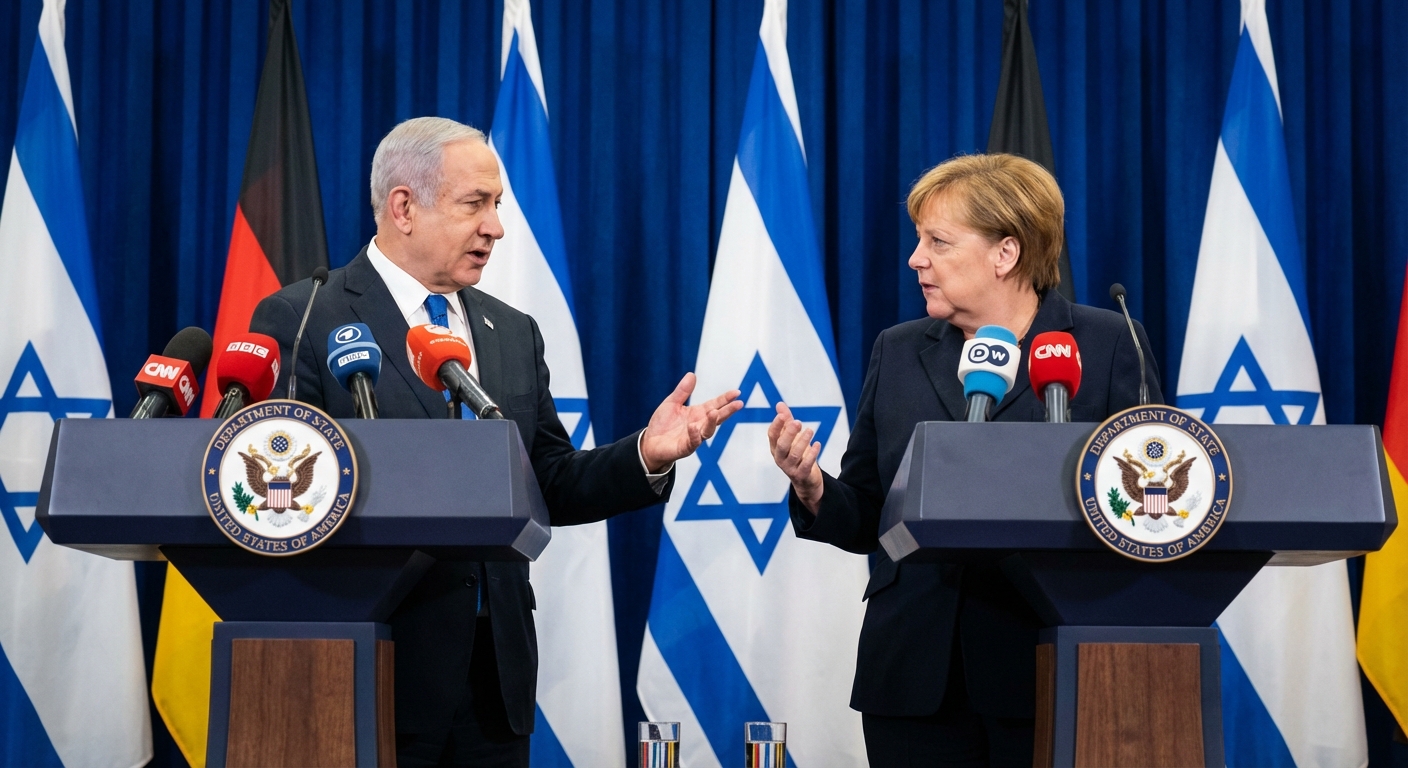
The German chancellor also waded into the contentious debate over Palestinian statehood. “We are convinced that the prospective establishment of a Palestinian state alongside Israel probably opens up the best prospects for this very future,” Merz said, endorsing a two-state solution that Netanyahu has consistently rejected. The Israeli prime minister has long argued that creating a Palestinian state would reward Hamas and eventually lead to a larger, more dangerous Hamas-controlled territory on Israel’s borders.
This fundamental disagreement between Israel and many of its closest allies remains unresolved. The United States has historically supported a two-state solution while providing Israel with military and diplomatic backing. How the Trump administration navigates this tension will significantly influence whether Phase Two succeeds or collapses into renewed conflict.
The Hostage Question
Before Phase Two can formally begin, one final issue from Phase One must be resolved. Hamas has yet to hand over the remains of Ran Gvili, a 24-year-old Israeli police officer who was killed during the October 7, 2023 attack that triggered the current war. His body was taken to Gaza, and its return is considered the completion of the hostage and remains exchange that defined Phase One.
The hostage crisis has been one of the most emotionally charged aspects of this conflict. The initial Hamas attack killed approximately 1,200 Israelis and took around 250 hostages into Gaza. The fate of those hostages, and the Israeli government’s responsibility to bring them home, has driven much of the political pressure Netanyahu has faced domestically. Critics have accused him of prioritizing military operations over negotiations that might have freed hostages sooner.
What Phase Three Looks Like
Netanyahu outlined an even more ambitious third phase that would follow demilitarization: the “deradicalization” of Gaza. He compared this to post-World War II efforts in Germany and Japan, as well as more recent transformations in Gulf states. “It was done in Germany, it was done in Japan, it was done in the Gulf States. It can be done in Gaza, too, but of course Hamas has to be dismantled.”
The comparison to post-war Germany and Japan is instructive but also reveals the scale of what’s being proposed. Both of those efforts involved years of military occupation, massive economic investment (the Marshall Plan in Europe), and fundamental restructuring of educational and political systems. They also occurred in countries that had unconditionally surrendered after devastating military defeats. The situation in Gaza is considerably more complex, with Hamas maintaining significant support among the population and no clear military victory by any party.
The Challenges Ahead
Phase One has already proven difficult. Israel has continued military operations in Gaza throughout the ceasefire, killing more than 370 Palestinians according to health officials in the territory. These strikes have been defended by Israel as targeting militants who violated ceasefire terms, but they’ve also undermined confidence that any agreement will actually end the violence.
The fundamental question is whether the parties involved have the political will to implement an agreement that requires significant compromises from all sides. Israel would need to withdraw troops and accept international forces operating on its border. Hamas would need to disarm, which effectively means its dissolution as a military organization. Palestinians would need to accept a transitional government they didn’t elect. The international community would need to commit troops, money, and diplomatic capital for years or possibly decades.
The Bottom Line
The announcement that Israel and Hamas are moving toward Phase Two of their ceasefire is genuinely significant, but the harder work is only beginning. Phase One stopped the immediate fighting. Phase Two requires building something durable enough to prevent the next war.
Netanyahu is scheduled to meet with President Trump later this month, a conversation that will likely shape American involvement in whatever comes next. Germany has already committed to an expanded role. The country’s demographic challenges make such international commitments politically complex at home. The question now is whether the ambitions outlined in Jerusalem this weekend can survive contact with the realities on the ground in Gaza.
History suggests skepticism is warranted. The global competition over resources shows how difficult regional stability can be to achieve. But history also includes examples of seemingly intractable conflicts eventually finding resolution. The next few months will reveal which category this one falls into.
Sources: German Federal Government, Israeli Prime Minister’s Office, United Nations.