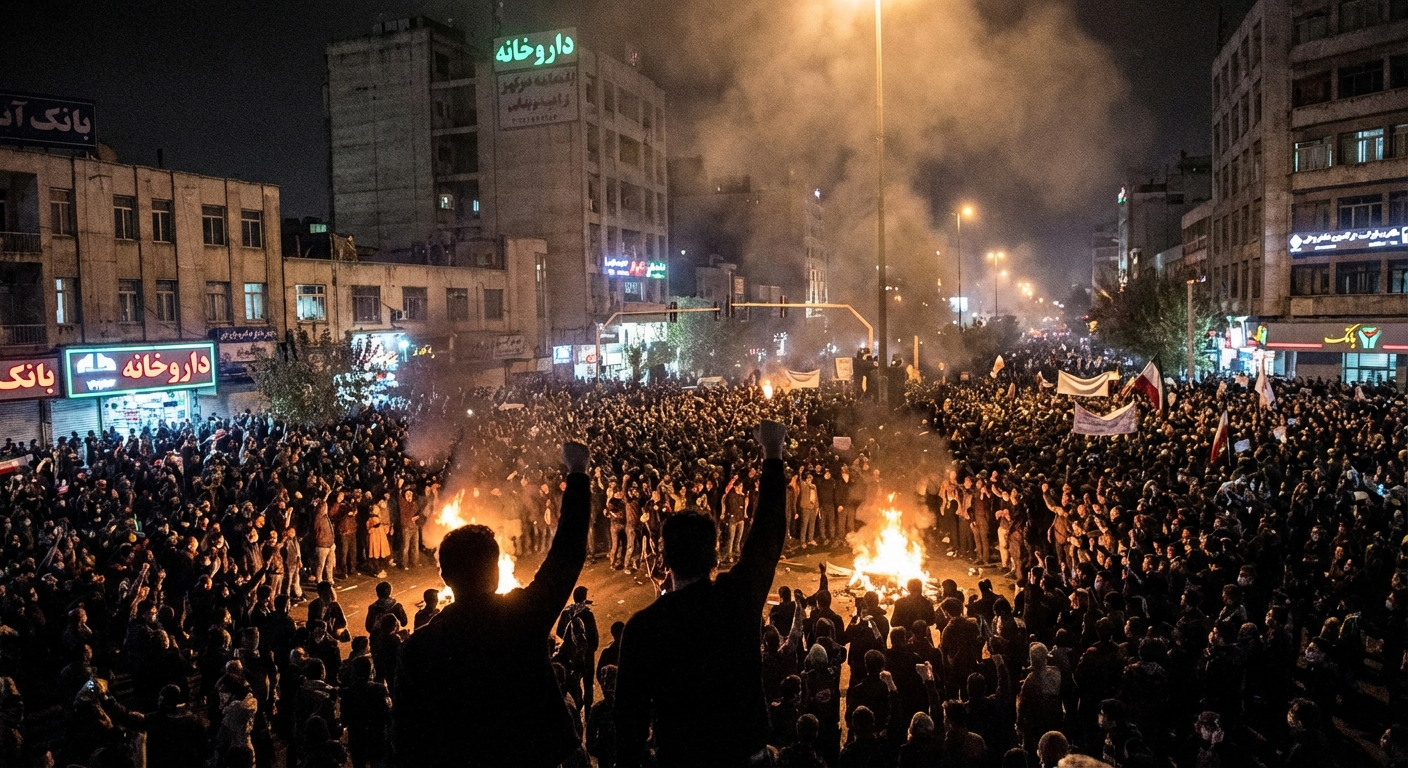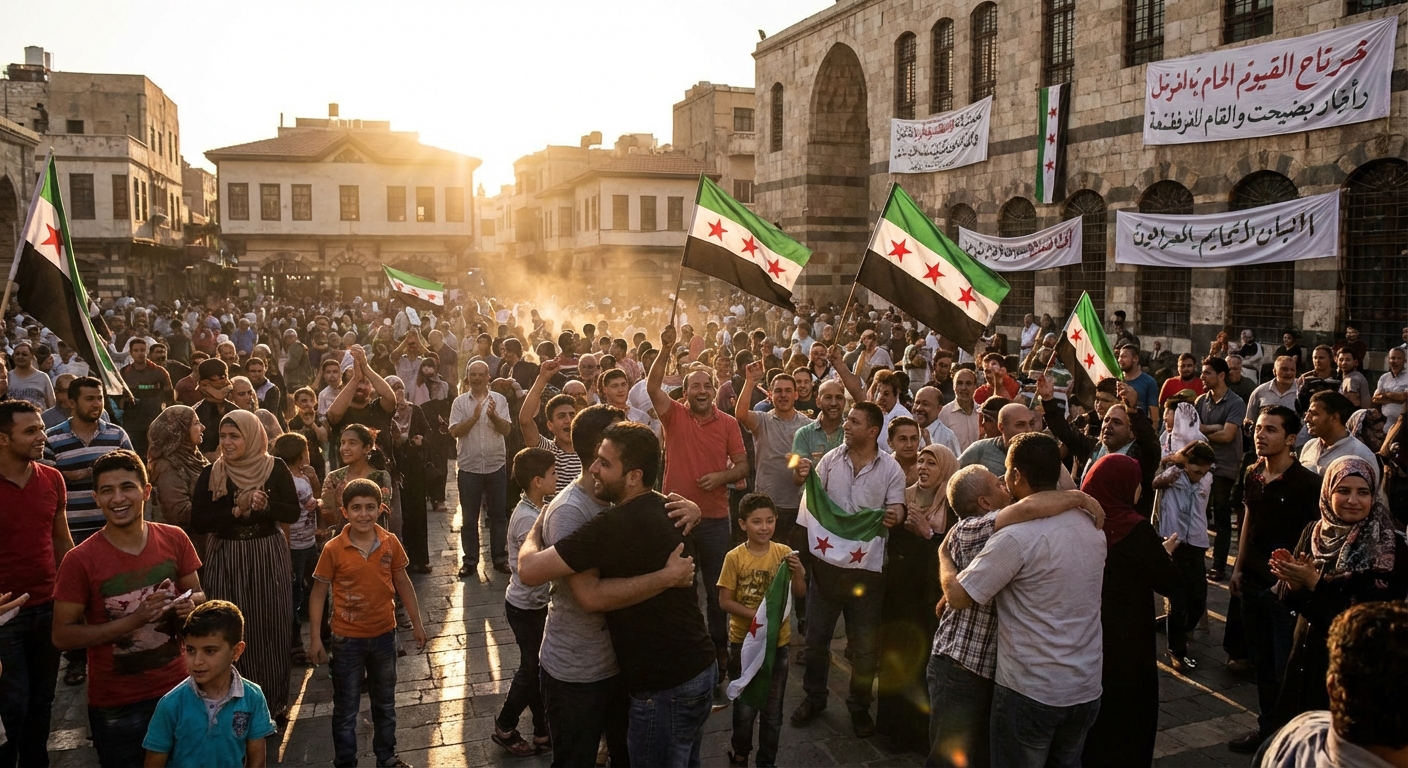
One year ago today, the Assad regime collapsed in a lightning ten-day offensive that shocked the world, including the rebel forces who achieved it. Bashar al-Assad fled to Moscow, ending 53 years of his family’s authoritarian rule over Syria. Now, on the country’s first official “Liberation Day,” Syrians are celebrating with flags and fireworks while confronting a sobering reality: rebuilding a nation shattered by 14 years of civil war will cost $216 billion and claim hundreds more lives from unexploded ordnance alone.
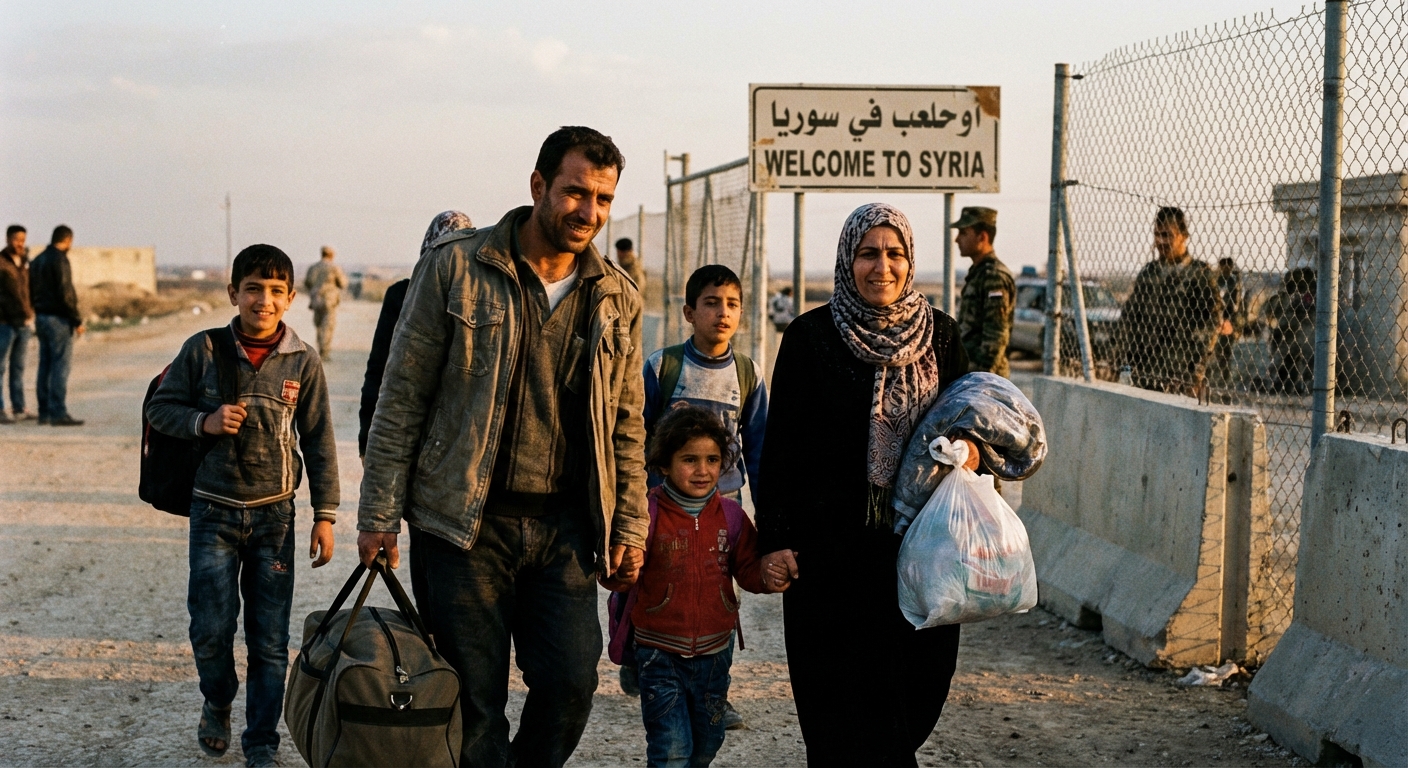
The transformation has been swift but incomplete. Ahmed al-Sharaa, formerly known as Abu Mohammed al-Jolani, the rebel commander who led the offensive, now serves as president of the transitional government. More than one million refugees have returned since December 2024, according to the UN refugee agency, alongside two million internally displaced Syrians who’ve gone back to their communities of origin. But the country that awaits them is scarred by war, littered with landmines, and facing the monumental task of reconstruction with limited international support.
How Assad Fell So Quickly
The speed of the regime’s collapse surprised everyone, including the insurgents who toppled it. In late November 2024, forces led by Hay’at Tahrir al-Sham launched what they expected to be a limited offensive on Aleppo. Instead, they watched the Syrian army disintegrate with minimal resistance. First Aleppo fell, then Hama, then Homs. Within ten days, the road to Damascus was open, and Assad was on a plane to Russia.
The regime’s sudden vulnerability stemmed from the erosion of its support base. Russia, Assad’s most important military backer, was consumed by its war in Ukraine and unable to provide the air support that had saved the regime multiple times before. Hezbollah, another crucial ally, was reeling from a devastating conflict with Israel and couldn’t spare fighters for Syria. Meanwhile, the Syrian economy had cratered, with approximately 90 percent of the population living below the poverty line.
“The government’s collapse can be attributed to the weakening of Assad’s traditional allies,” Natasha Hall, a senior fellow at the Center for Strategic and International Studies, told reporters. The timing was opportunistic but deliberate. The insurgents recognized that Russia’s distraction and Hezbollah’s wounds created a window that might not come again.
The Human Cost Continues
Liberation has not meant safety for all Syrians. The Mines Advisory Group reported that at least 590 people have been killed by landmines since Assad’s fall, including 167 children. The death toll puts Syria on track to record the world’s highest landmine casualty rate in 2025. Fourteen years of civil war left unexploded ordnance across vast swaths of the country, and clearing it will take decades and billions of dollars.
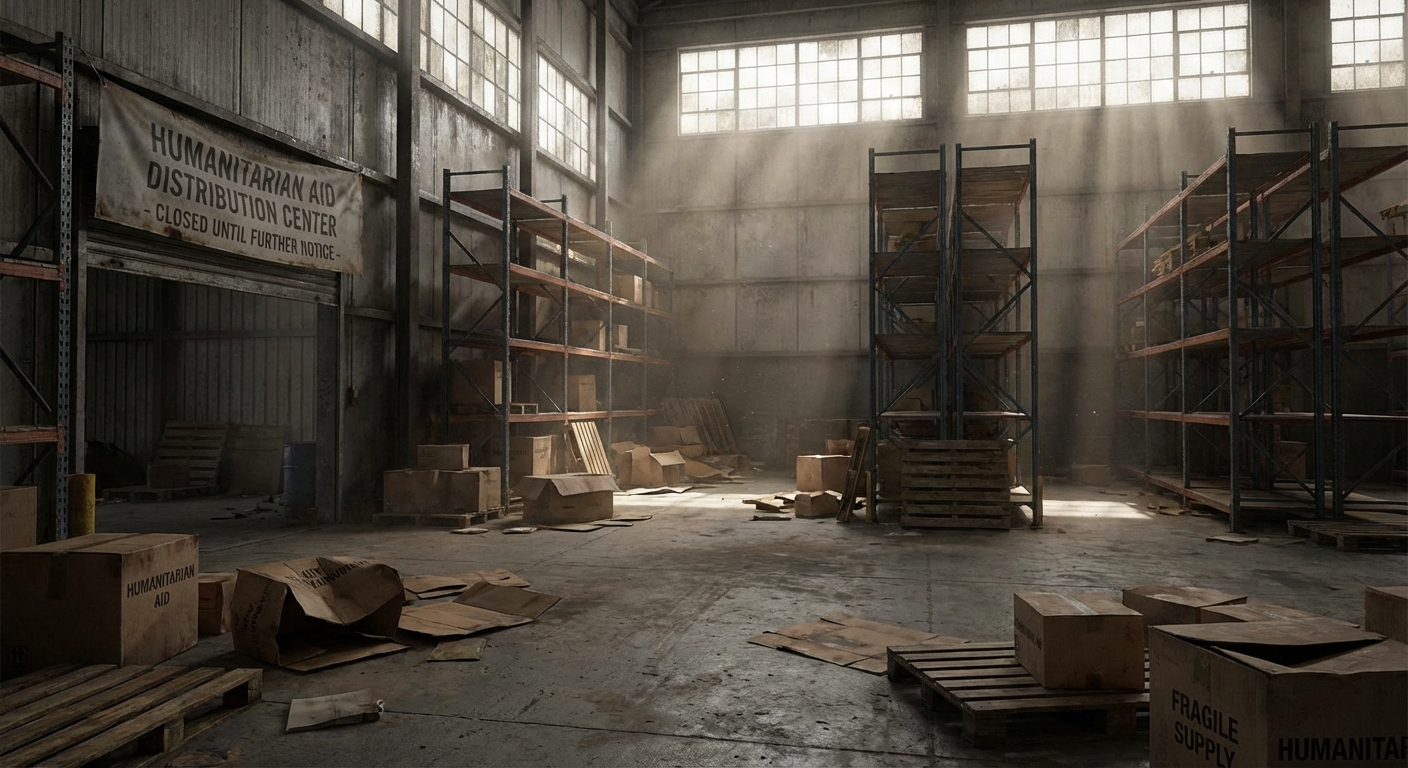
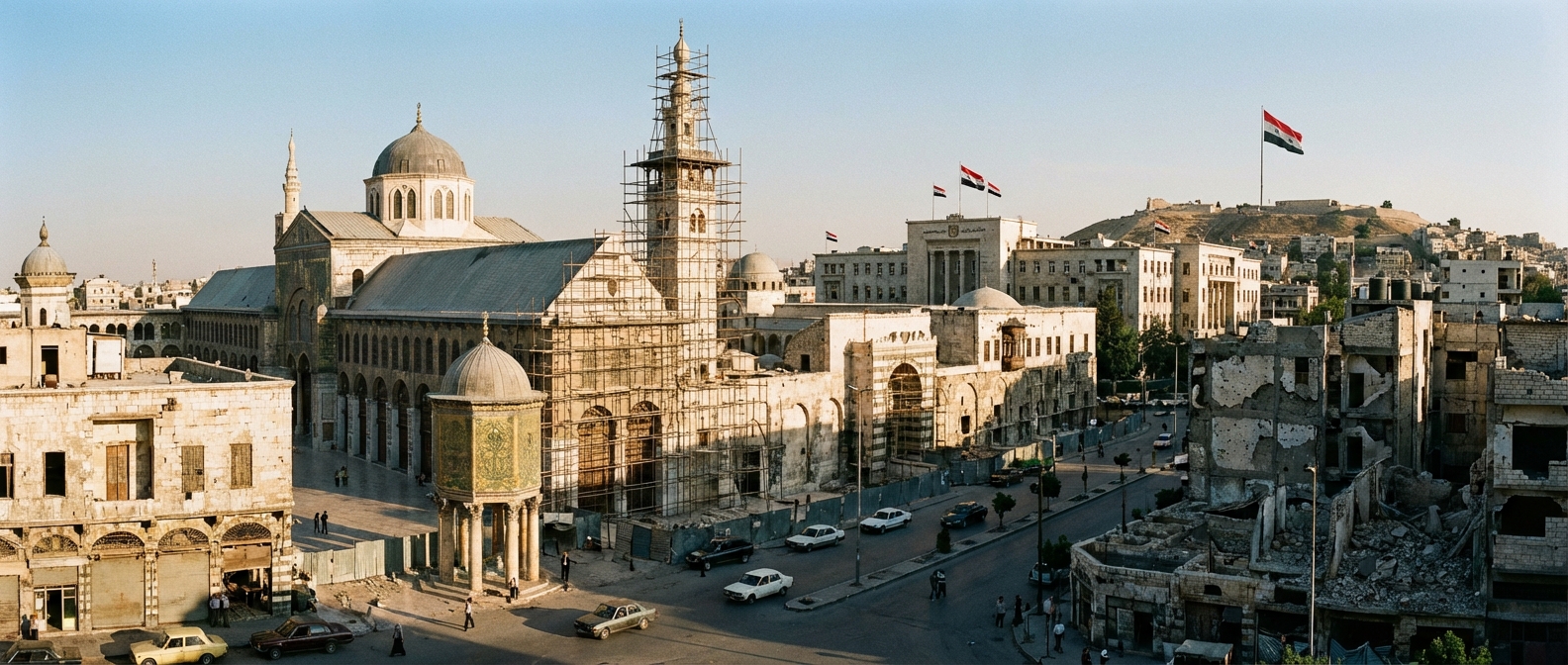
The World Bank estimates that rebuilding Syria’s war-damaged infrastructure will cost $216 billion, a figure that dwarfs the country’s pre-war GDP. The global competition for resources adds pressure on reconstruction timelines. Entire neighborhoods in Aleppo, Homs, and other cities remain in ruins. The healthcare system is shattered. Schools need rebuilding. Power and water infrastructure require massive investment. And international donors, facing competing crises in Ukraine and elsewhere, have been slow to commit substantial reconstruction funds.
A New Government Takes Shape
The transitional government has moved quickly to establish legitimacy. Mohammed al-Bashir was appointed prime minister on December 10, 2024, just two days after Assad’s departure. In January 2025, the Syrian General Command appointed al-Sharaa as president for the transitional period. In October, he issued a presidential decree making December 8 an annual holiday called “Liberation Day.”
The UN has cautiously welcomed the transition. “Syria’s future must be free, sovereign and united,” UN Secretary-General Antonio Guterres said in a statement marking the anniversary. International recognition remains complicated by the presence of designated terrorist organizations in the new government’s coalition, but pragmatic engagement has begun.
The refugee return has been the most visible sign of hope. Many of those returning had spent years in camps in Turkey, Jordan, and Lebanon, uncertain if they would ever see their homes again. The UN reports that while return is accelerating, it remains voluntary, and many refugees are still assessing whether conditions have stabilized enough to go back.
What Comes Next
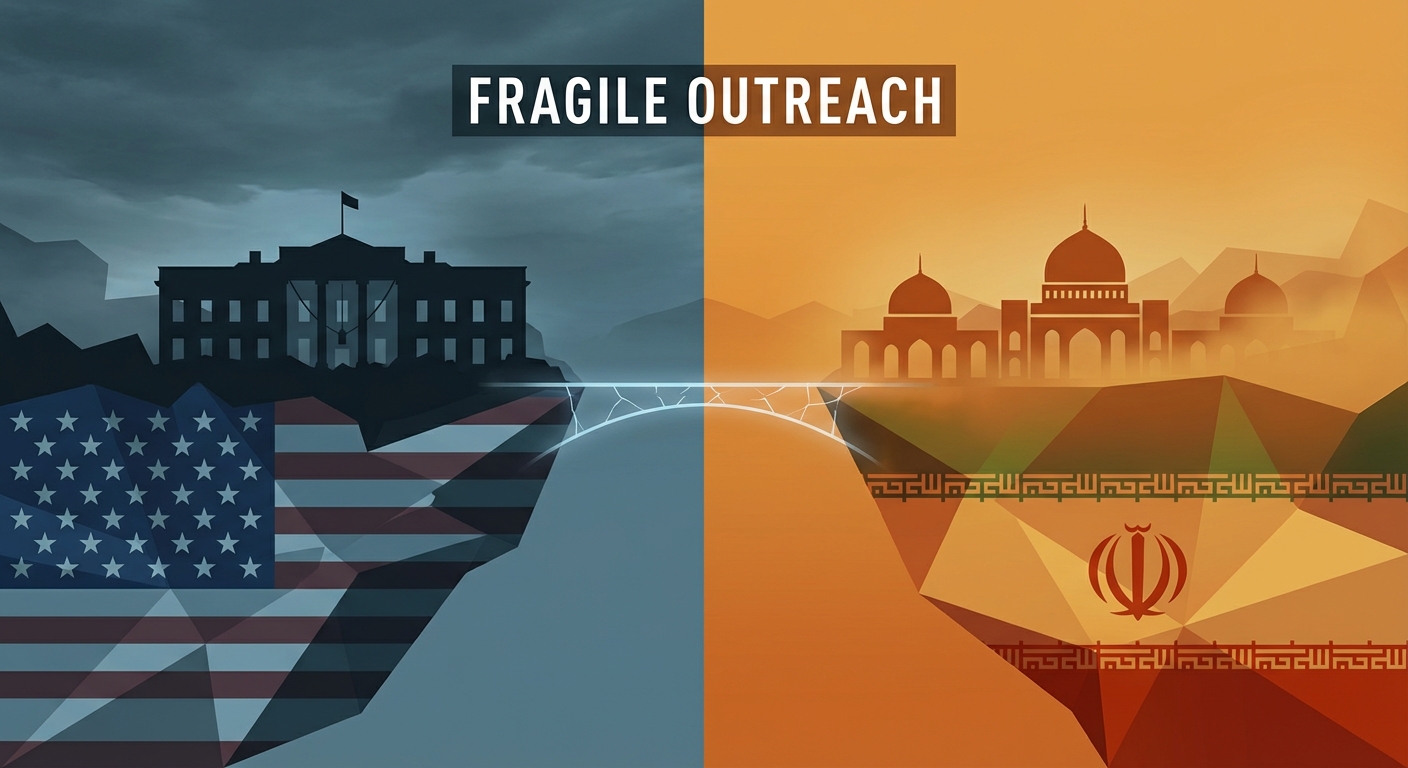
Syria’s challenges extend far beyond reconstruction. The country must write a new constitution, hold elections, and integrate armed factions that fought together against Assad but may not agree on the country’s future direction. Regional powers, including Turkey, Iran, and Israel, all have interests in Syria’s trajectory. The broader ceasefire efforts in the region add another layer of complexity. The presence of U.S. forces in the northeast and Turkish forces in the north adds additional complexity.
For ordinary Syrians, the anniversary brings mixed emotions. There is genuine celebration that the Assad dynasty’s brutal rule has ended. Political prisoners have been freed from notorious detention facilities. Syrians can speak freely for the first time in generations. But there is also uncertainty about what comes next, grief for those lost in the war, and the exhausting work of rebuilding lives from rubble.
The Bottom Line
One year after Assad’s fall, Syria stands at the beginning of a long and uncertain recovery. The speed of the regime’s collapse offered a reminder that authoritarian governments can appear stable until they aren’t. But liberation was the easy part. Building a democratic, stable Syria from the wreckage of 14 years of war will require sustained international support, political compromise among former enemies, and the kind of patient institution-building that rarely makes headlines.
For the refugees returning home, for the families mourning loved ones lost to landmines, and for the millions of Syrians trying to imagine a future very different from their past, today’s celebrations are earned. What happens next will determine whether Liberation Day remains a day of hope or becomes a marker for unfulfilled promises.
Sources: United Nations High Commissioner for Refugees, World Bank, Mines Advisory Group, Center for Strategic and International Studies.