
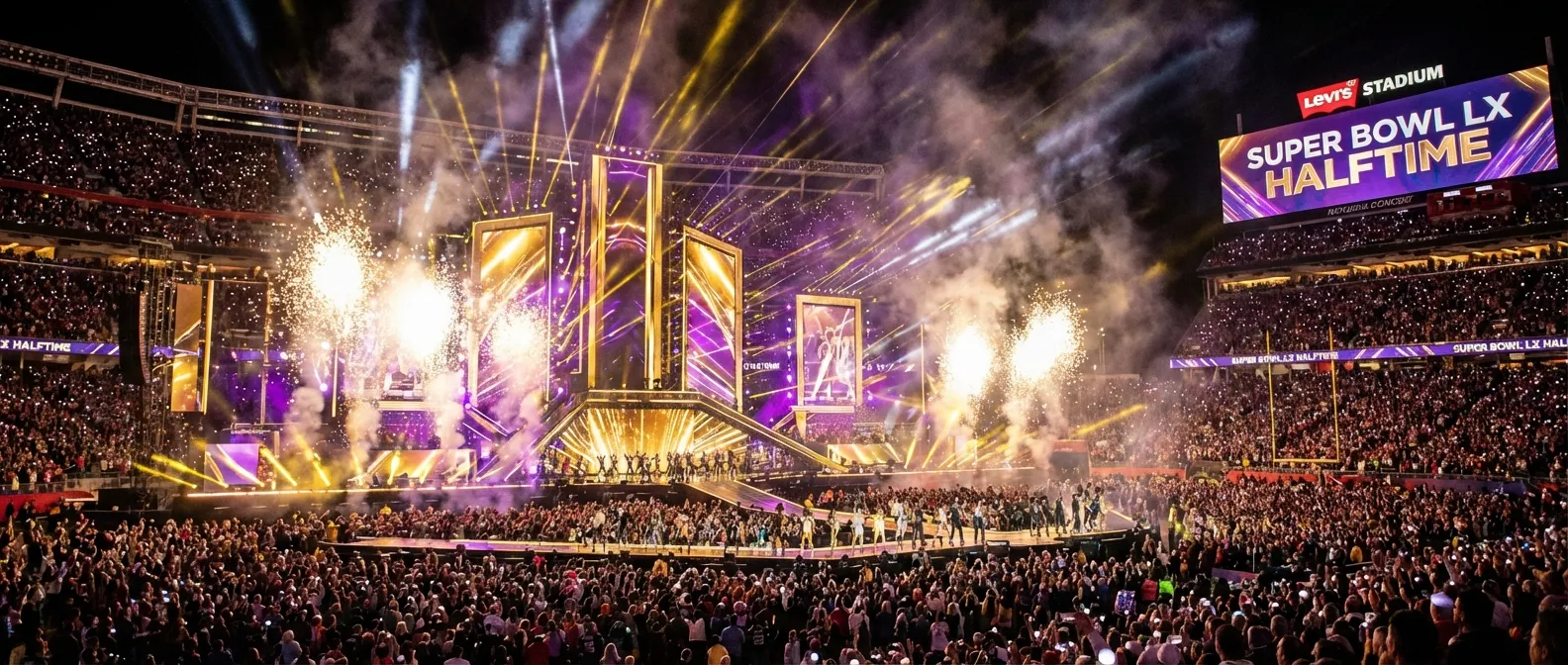
Thirteen minutes. That's all it took for Bad Bunny to turn the most-watched television event in America into the most polarizing cultural moment of 2026. The Puerto Rican superstar's Apple Music Super Bowl LX Halftime Show at Levi's Stadium in Santa Clara delivered exactly what supporters hoped for and critics feared: a celebration of Latino culture performed almost entirely in Spanish, featuring a real wedding ceremony, surprise appearances from Lady Gaga and Ricky Martin, and political undertones that sent President Trump into a social media tirade before the confetti had settled.
The Seahawks' 29-13 demolition of the Patriots may have been the official main event, but by Sunday night, the halftime show had eclipsed the game itself in the national conversation. Bad Bunny became the first Latino solo artist to headline the Super Bowl halftime show and the first performer to deliver the set almost entirely in a language other than English. In a country grappling with immigration policy, ICE enforcement, and the role of Latino identity in American life, nothing about that was going to be simple.
Trump's response arrived on social media within hours: "Absolutely terrible, one of the worst, EVER." He called the performance "a slap in the face to our country" and added, "It makes no sense, is an affront to the Greatness of America, and doesn't represent our standards of Success, Creativity, or Excellence. Nobody understands a word this guy is saying, and the dancing is disgusting, especially for young children that are watching from throughout the U.S.A., and all over the World."
Inside the Performance
The show opened with Bad Bunny emerging from a massive set piece designed to evoke a Puerto Rican neighborhood, complete with balconies, street signs, and cultural iconography. He launched into a setlist that spanned his career, moving through reggaeton, Latin trap, and salsa with the energy that has made him one of the world's top-selling recording artists.
Lady Gaga joined for "Baile Inolvidable," a collaboration that brought two of pop music's biggest names together on the same stage. The pair also performed a portion of Gaga's "Die With a Smile" backed by Los Sobrinos, a Puerto Rican salsa band. Ricky Martin, another Puerto Rican icon, appeared for "Lo Que Le Paso a Hawaii," a song whose title references Hawaii's annexation by the United States, a parallel that carried obvious political resonance given Puerto Rico's territorial status.
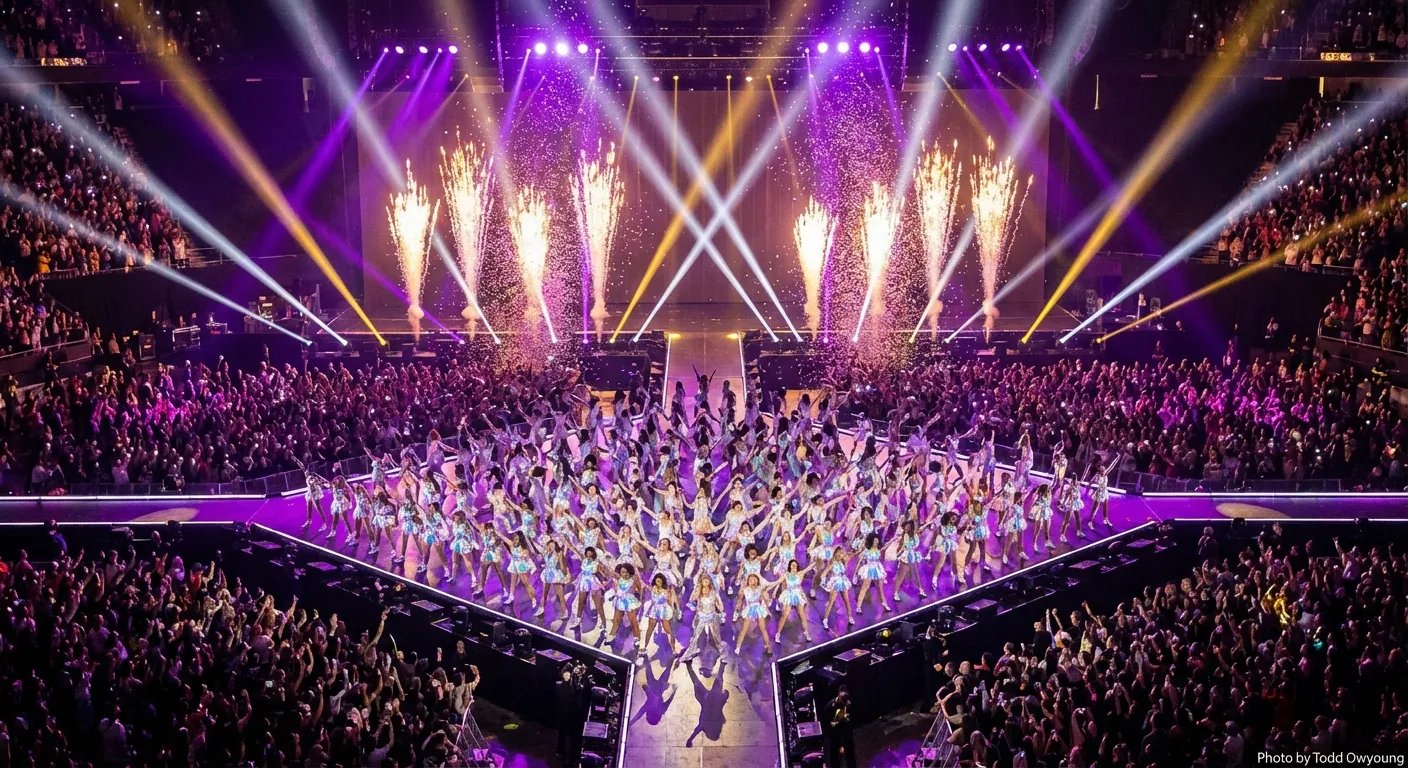
The most talked-about moment came when Bad Bunny hosted a real wedding during the performance. A couple who had originally invited Bad Bunny to their ceremony found the invitation reversed: he brought their wedding to the Super Bowl stage. An officiant declared the couple married while dancers and musicians surrounded them. Bad Bunny signed the marriage certificate as a witness. The bride wore white, they kissed, and 70,000 people in the stadium along with over 120 million television viewers watched the ceremony unfold.
The celebrity cameos extended beyond the musical guests. Pedro Pascal, Jessica Alba, and Cardi B all appeared onstage, creating a moment that Deadline described as "a lot of Latin love" in its review of the performance. The production was elaborate, colorful, and unapologetically Latino in its aesthetic, from the costumes (Bad Bunny wore a custom Zara outfit, a deliberate choice of a Spanish-heritage brand) to the choreography.
The Political Flashpoint
The controversy didn't start on game day. Conservative critics had been targeting Bad Bunny's selection for weeks before the performance. Ryan Fournier stated that "whoever picks these people should be fired," while Benny Johnson described the artist as a "massive Trump hater" and "anti-ICE activist." Homeland Security Secretary Kristi Noem announced that ICE agents would be present at the Super Bowl, a move widely interpreted as a political statement rather than a security necessity.
Turning Point USA organized its own halftime counterprogramming event, featuring Kid Rock as the headliner, framing the alternative as a "real American" entertainment option. White House press secretary Karoline Leavitt told reporters that the president "would much prefer a Kid Rock performance over Bad Bunny," making the administration's cultural preferences explicit.
The most politically charged element of the performance involved a young boy who appeared onstage. A clip of Bad Bunny's Grammy acceptance speech, during which he had said "ICE out" and delivered an impassioned statement about racism, played on a small television as the boy received Bad Bunny's Grammy trophy. Social media immediately speculated that the child was the 5-year-old who had been detained by ICE in Minneapolis, a case that had drawn national attention. Just Jared later reported that the boy was actually a different child, but the ambiguity itself became part of the story, illustrating how deeply the performance engaged with the political moment.
The Washington Post noted that the show "turned down the heat on controversy" compared to what pre-show speculation had suggested, avoiding the most explicitly confrontational political statements while still making its cultural and political identity impossible to miss. The Hollywood Reporter argued that "Bad Bunny got the best of Donald Trump at the Super Bowl" by delivering a performance that was simultaneously joyful and defiant.
The Cultural Significance
Strip away the political noise and what Bad Bunny delivered was genuinely historic. The Super Bowl halftime show is the single largest cultural platform in American entertainment, regularly drawing over 120 million viewers. For decades, it has been an almost exclusively English-language event, reflecting assumptions about who the American mainstream audience is and what it wants to watch.
Bad Bunny challenged those assumptions directly. Spanish is the second most spoken language in the United States, with over 40 million native speakers and millions more who are bilingual. The idea that a Spanish-language performance at the Super Bowl is somehow un-American ignores the demographic and cultural reality of the country. Bad Bunny's performance didn't just entertain; it made a statement about whose culture gets the biggest stage.
The commercial response tells its own story. Hypebeast reported that Bad Bunny's streaming numbers surged immediately after the performance, a pattern consistent with previous halftime headliners. His choice to wear custom Zara rather than an American designer was noted as a deliberate branding decision that reinforced the performance's cultural identity.
ESPN reported that the halftime show "made waves on social media," which is something of an understatement. The performance generated millions of posts across platforms, with reactions split along predictable political lines but also revealing genuine enthusiasm from audiences who felt represented by the show's content and aesthetic.
The Seahawks Actually Won, Too
Lost in the halftime controversy was a Super Bowl game that was over before halftime started. The Seattle Seahawks dominated the New England Patriots 29-13, claiming their second Lombardi Trophy in franchise history and their first since the 2013 season. Running back Kenneth Walker III earned Super Bowl MVP honors with 135 yards on 27 carries, averaging five yards per carry behind a dominant offensive line.
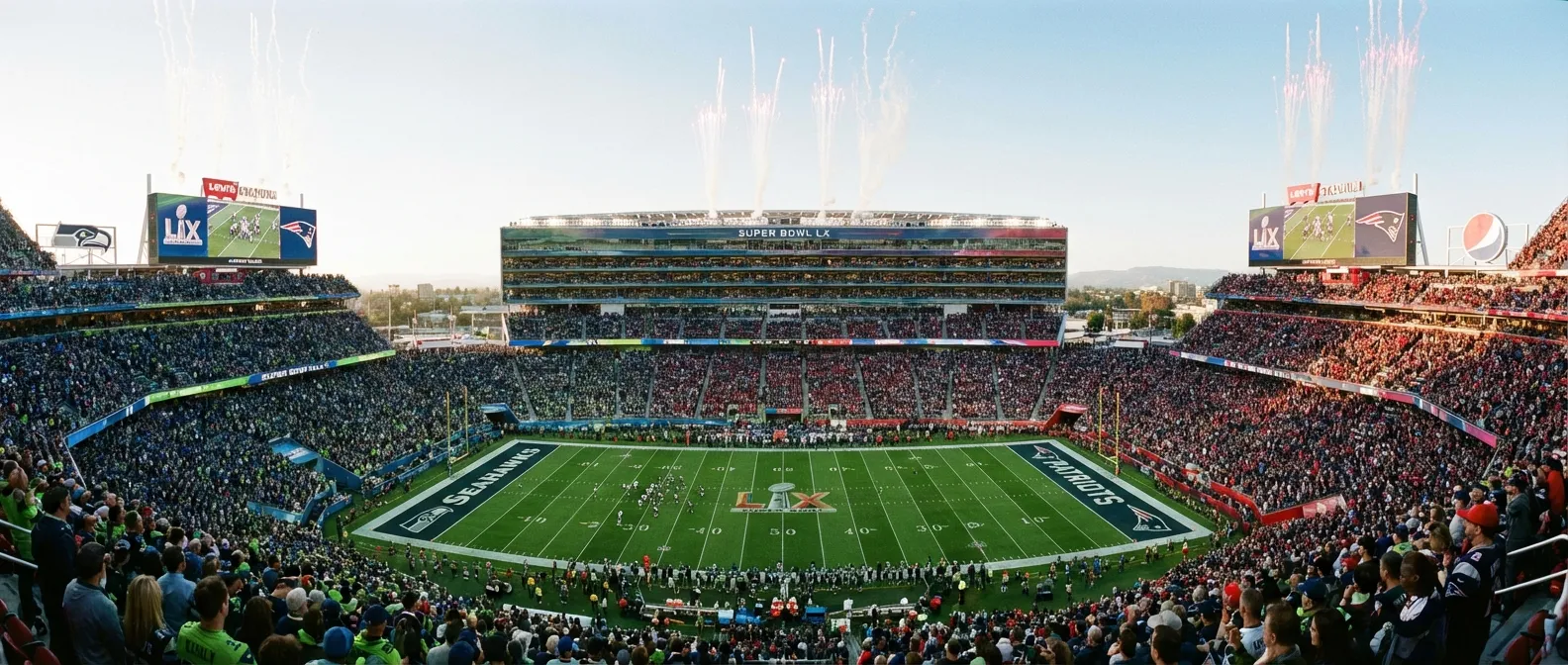
Seattle's defense was the story of the game, sacking regular-season MVP runner-up Drake Maye six times and forcing three turnovers. The Patriots' offense, which had looked potent during their AFC Championship run, never found its rhythm against a Seattle defensive scheme that mixed pressure packages and coverage looks with precision.
But by Monday morning, the sports stories had been relegated to the lower half of every news homepage. The halftime show, and the president's reaction to it, consumed the national conversation in a way that underscored how thoroughly entertainment and politics have merged in the current American moment.
The Bigger Story
Bad Bunny's Super Bowl performance will be remembered differently depending on who's doing the remembering. For millions of Latino Americans and fans of his music, it was a milestone: validation on the biggest stage that their culture belongs at the center of American entertainment. For the president and his supporters, it was evidence of cultural displacement that demands pushback. For the NFL and Apple Music, it was a calculated risk that generated exactly the kind of attention they wanted, even if the controversy was uncomfortable.
The lasting significance may be less about what Bad Bunny performed and more about what the reaction revealed. A Spanish-language halftime show at America's most-watched event provoked a presidential response, organized counterprogramming, and weeks of pre-show political controversy. That level of intensity over a 13-minute musical performance tells you something about the state of American cultural politics that extends far beyond football or music.
Whether future Super Bowl halftime shows follow Bad Bunny's lead or retreat to safer territory will say a great deal about how the entertainment industry navigates an increasingly politicized landscape. For now, Bad Bunny did what he set out to do: deliver a show that was impossible to ignore.
Sources
- Trump calls Bad Bunny's Super Bowl halftime show a 'slap in the face to our country' - ABC News
- Bad Bunny Tan Bueno In Historic Super Bowl Halftime Show - Deadline
- Bad Bunny's Super Bowl halftime show turned down the heat on controversy - The Washington Post
- How Bad Bunny Got the Best of Donald Trump at the Super Bowl - The Hollywood Reporter
- Bad Bunny Stuns the Super Bowl With Lady Gaga, Ricky Martin and a Real Wedding Ceremony - Variety