

Lifestyle
Why Your Best Ideas Come in the Shower: The Science of Mind Wandering
Your brain does its most creative work when you stop trying to be productive. Here's the neuroscience of unfocused thinking.
Quinn Mercer·
Your brain does its most creative work when you stop trying to be productive. Here's the neuroscience of unfocused thinking.

Research shows 5-minute mindfulness sessions match 20-minute ones for stress reduction. Here's how to build a practice that fits your actual life.

A single day without screens can reset your attention, calm your nervous system, and reveal what you actually want. Here's the science and the how.

The trend toward 'analogue wellness' and digital detox reflects growing research on screen time and mental health. Here's the evidence and how to implement it.

Why traditional stress advice fails and how working with your nervous system, not against it, can create lasting calm you can actually feel.

Cognitive research shows that how you perceive stress changes your physiological response. Here's the science of turning threat into challenge.

Research shows that how you relate to money matters as much as how you manage it. Here's what financial mindfulness actually means.

New research shows that cutting off internet access significantly reduces anxiety and boosts positive emotions. Here's what happens when you let yourself be bored.

Mindful technology use isn't about going offline. It's about deciding where your attention goes before algorithms decide for you.

The holidays ended, but the stress didn't. Here's how to ease back into routines and reclaim your equilibrium without forcing toxic productivity.

68% of people want to slow down this year. Here's why that might be the smartest resolution you'll make.

Once considered a psychological problem, nostalgia turns out to be a resource for wellbeing. Research reveals how remembering the past can improve your present.

Your brain treats imagined threats like real ones. Here's what psychology tells us about breaking free from the worry loop.

New science reveals most of our daily behaviors are habits. Here's what that means for living intentionally.

Emerging research reveals that cultivating awe reduces inflammation, builds resilience, and rewires how we relate to others.

You don't have to be exhausted to deserve a break. Here's how to rest before you're running on empty.

You don't need 20 minutes or a quiet room to start meditating. Research shows 3 minutes daily builds the neural pathways that reduce anxiety and improve focus.

The overlooked connection between physical sensations and emotional wellbeing, and practical ways to tune in.
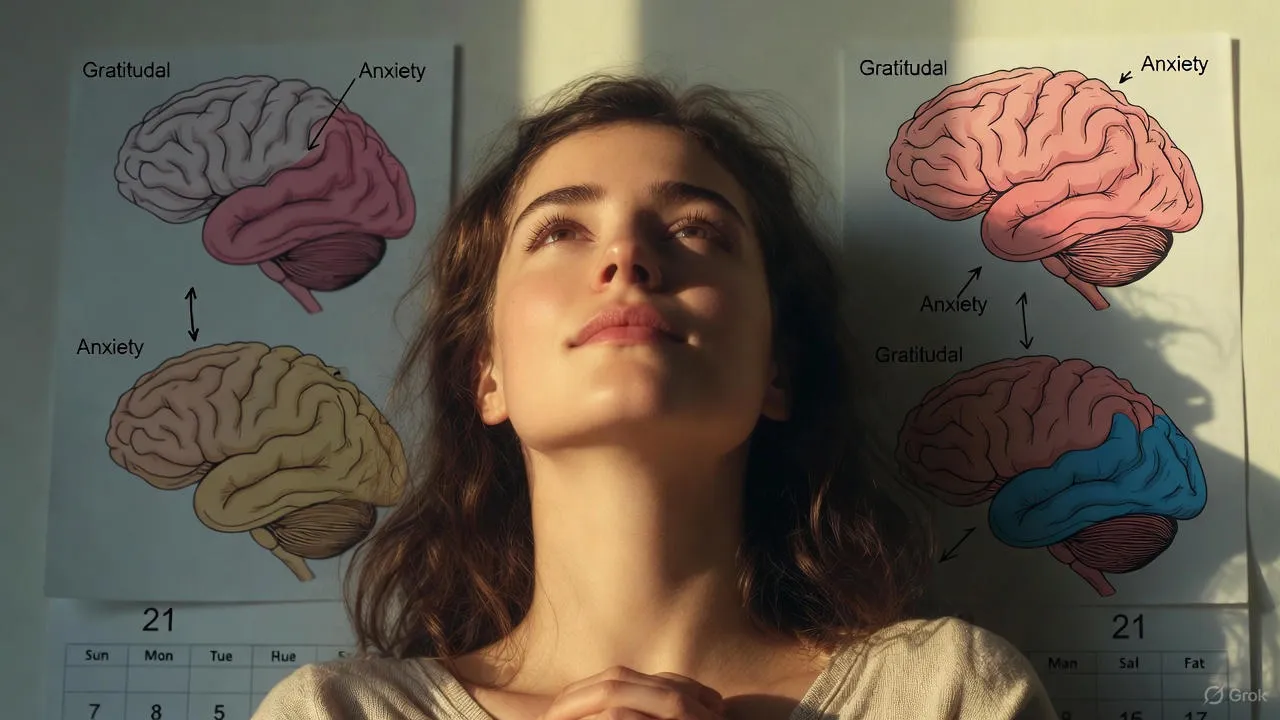
Gratitude isn't just a nice sentiment; it's a neuroplastic intervention. Research shows that consistent practice physically alters brain structure, reducing anxiety and building resilience that persists long after you put down the journal.

Your brain wasn't designed for constant connectivity. This 7-day protocol helps you break the dopamine loop and reclaim your mental clarity.