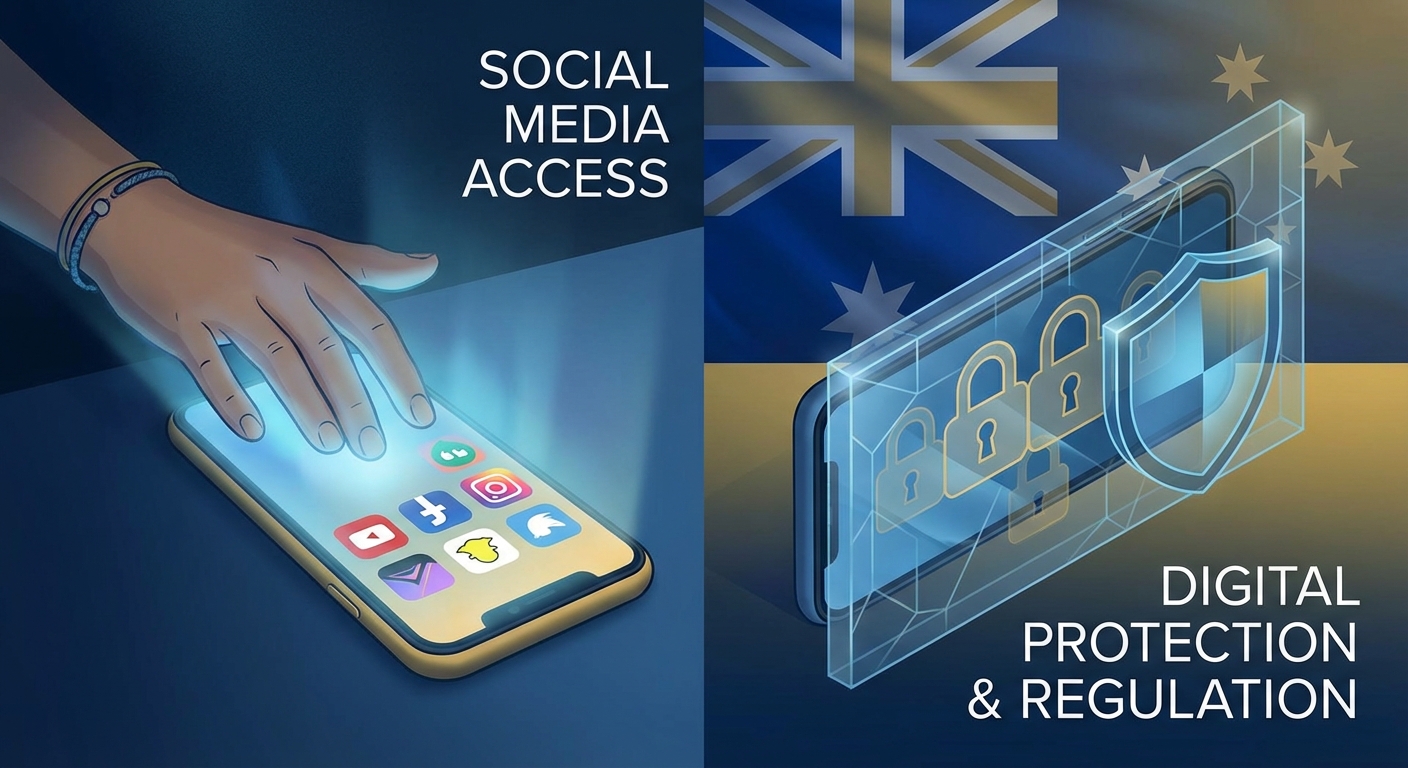
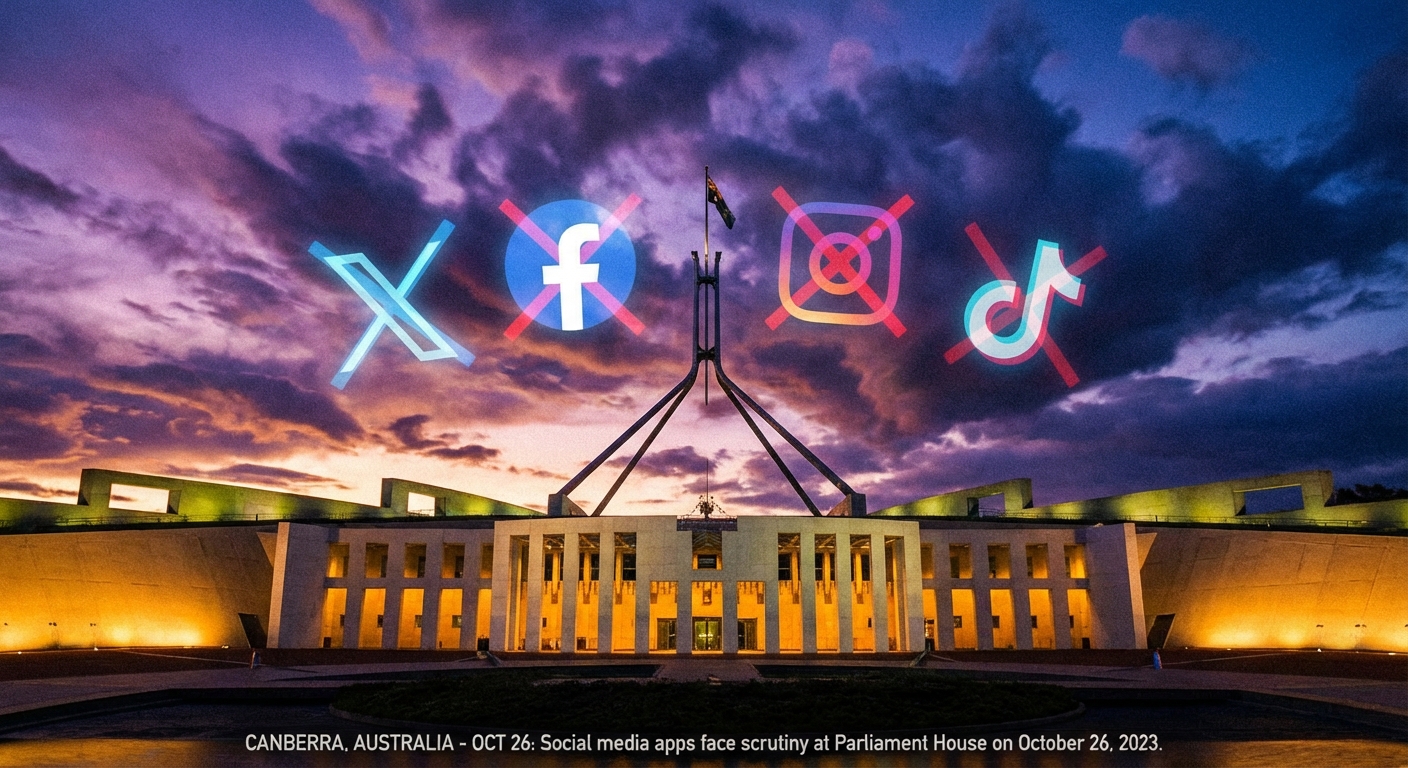
Australia just did something no other major democracy has attempted: it banned social media for everyone under 16.
The country’s internet regulator says the world will be watching as Australia moves ahead with implementation, positioning itself as a test case for tougher global rules on kids’ online safety. If this works, expect a wave of similar legislation across Europe, North America, and Asia. If it fails, it could set back child safety advocacy for years.
What the Ban Actually Does
Starting in early 2026, social media platforms operating in Australia must prevent users under 16 from creating accounts. This isn’t a suggestion or a terms-of-service tweak. Platforms face significant fines for non-compliance, and the government has made clear it expects robust age verification systems, not just a checkbox asking users to confirm their birthday.
The legislation covers the major platforms you’d expect: Instagram, TikTok, Snapchat, X (formerly Twitter), and Facebook. YouTube gets a partial exemption because it’s classified primarily as an educational and entertainment platform rather than social media. Messaging apps like WhatsApp are also exempt, though that distinction is already generating debate.
The Age Verification Problem
Here’s where things get complicated. How do you actually verify someone’s age online without creating massive privacy concerns? The same browser wars that shaped the modern internet are now playing out in the age verification space.
Australia hasn’t mandated a specific technology, leaving platforms to figure it out themselves. Options include government ID verification, biometric age estimation using facial analysis, and digital identity systems. Each approach has tradeoffs. ID verification is accurate but creates data collection concerns. Facial analysis is less invasive but less reliable. Digital identity systems barely exist at scale.
Privacy advocates are already raising alarms. Requiring ID verification for social media access could create databases that become targets for hackers or government overreach. Some critics argue the cure could be worse than the disease, trading one set of risks for another.
Why Australia Moved First
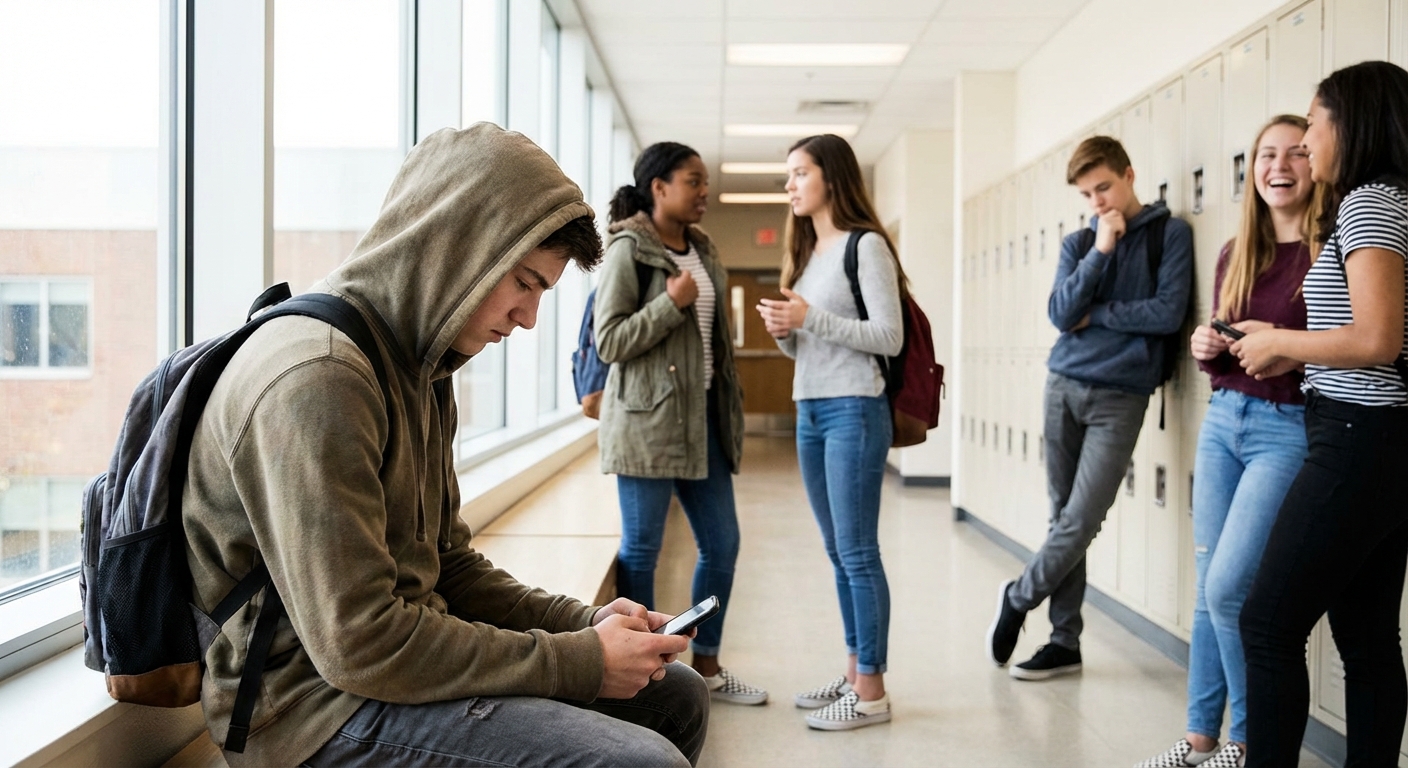
Australian lawmakers point to mounting evidence that social media harms young people’s mental health. Rates of anxiety, depression, and self-harm among teenagers have risen alongside smartphone adoption, and while correlation isn’t causation, the pattern has convinced policymakers that action is necessary.
The political calculus also helped. Unlike most contentious legislation, this ban had genuine bipartisan support. Both major parties saw protecting children as a winning issue, and neither wanted to be seen as defending social media companies over kids. Tech industry lobbying, which has successfully blocked or weakened similar proposals elsewhere, gained little traction in Canberra.
Tech Industry Response
Social media companies have pushed back, though more quietly than you might expect. Their public statements emphasize cooperation while raising concerns about implementation challenges. Privately, industry sources describe the law as unworkable and predict it will either be softened during implementation or fail entirely.
The platforms have a point about technical challenges. Age verification at scale is genuinely difficult, especially for services with hundreds of millions of users. But critics note that these same companies have built incredibly sophisticated systems for targeting ads and moderating content. The idea that they can’t verify ages strains credibility.
Meta and TikTok have both announced they’ll comply with Australian law while exploring legal challenges. Some smaller platforms are considering simply blocking Australian users rather than implementing expensive verification systems.
What This Means Globally
Australia matters because it’s a test case. If the ban demonstrably reduces teen social media use without creating major privacy scandals or driving kids to unregulated alternatives, other countries will follow. The UK, Canada, and several EU members are already watching closely.
The ongoing debate about social media bans for minors has been largely theoretical until now. Australia just made it real.
For parents, the immediate impact depends on where you live. Australian families will need to navigate the new restrictions starting next year. Everyone else gets to watch the experiment unfold before deciding whether to push for similar laws in their own countries.
The bigger question is whether this represents the beginning of a fundamental shift in how societies regulate digital platforms, or a well-intentioned overreach that ultimately fails. Australia just volunteered to find out.
Sources: Australian eSafety Commissioner, Reuters, The Guardian Australia, ABC News.