While everyone else is racing to build the smartest AI, Masayoshi Son is buying the roads and power lines. On December 29, SoftBank Group announced a definitive agreement to acquire DigitalBridge Group for approximately $4 billion, a deal that has nothing to do with language models or chatbots and everything to do with the physical infrastructure that makes AI possible.
The transaction values DigitalBridge at $16.00 per share in cash, representing a 15% premium to the closing price on December 26. For a company that manages $108 billion in infrastructure assets across data centers, cell towers, fiber networks, and edge computing facilities, that price might actually be cheap.
“As AI transforms industries worldwide, we need more compute, connectivity, power, and scalable infrastructure,” Son said in SoftBank’s announcement. It’s a statement that sounds obvious, but the strategic implications are anything but.
The Infrastructure Bottleneck
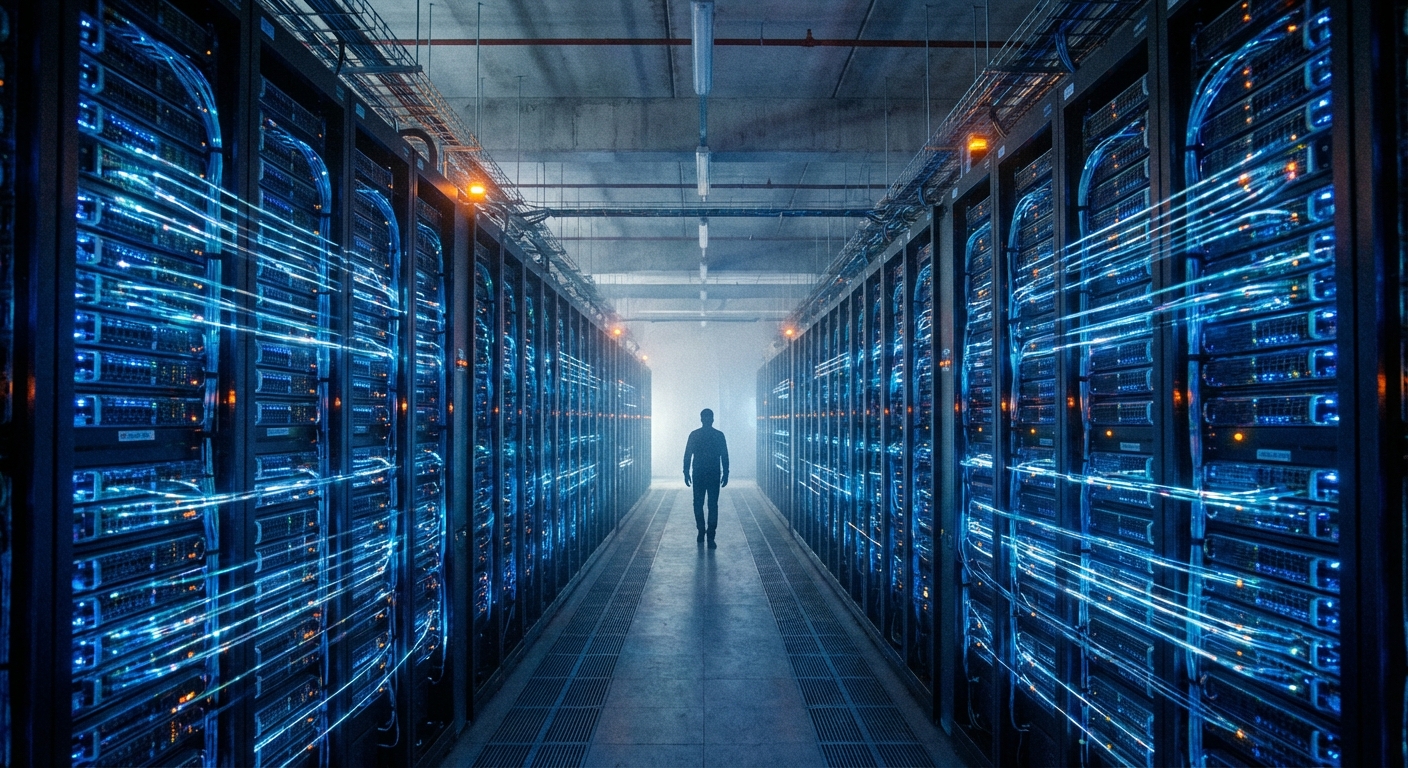
Here’s the dirty secret of the AI boom that rarely makes headlines: you can have the most sophisticated AI model in the world, but it’s useless without somewhere to run it. Training a single frontier AI model can require thousands of specialized chips running for months, consuming enough electricity to power a small city. Every chatbot query, every AI-generated image, every autonomous system making decisions in real time needs physical hardware sitting in a physical building connected to a physical power grid.
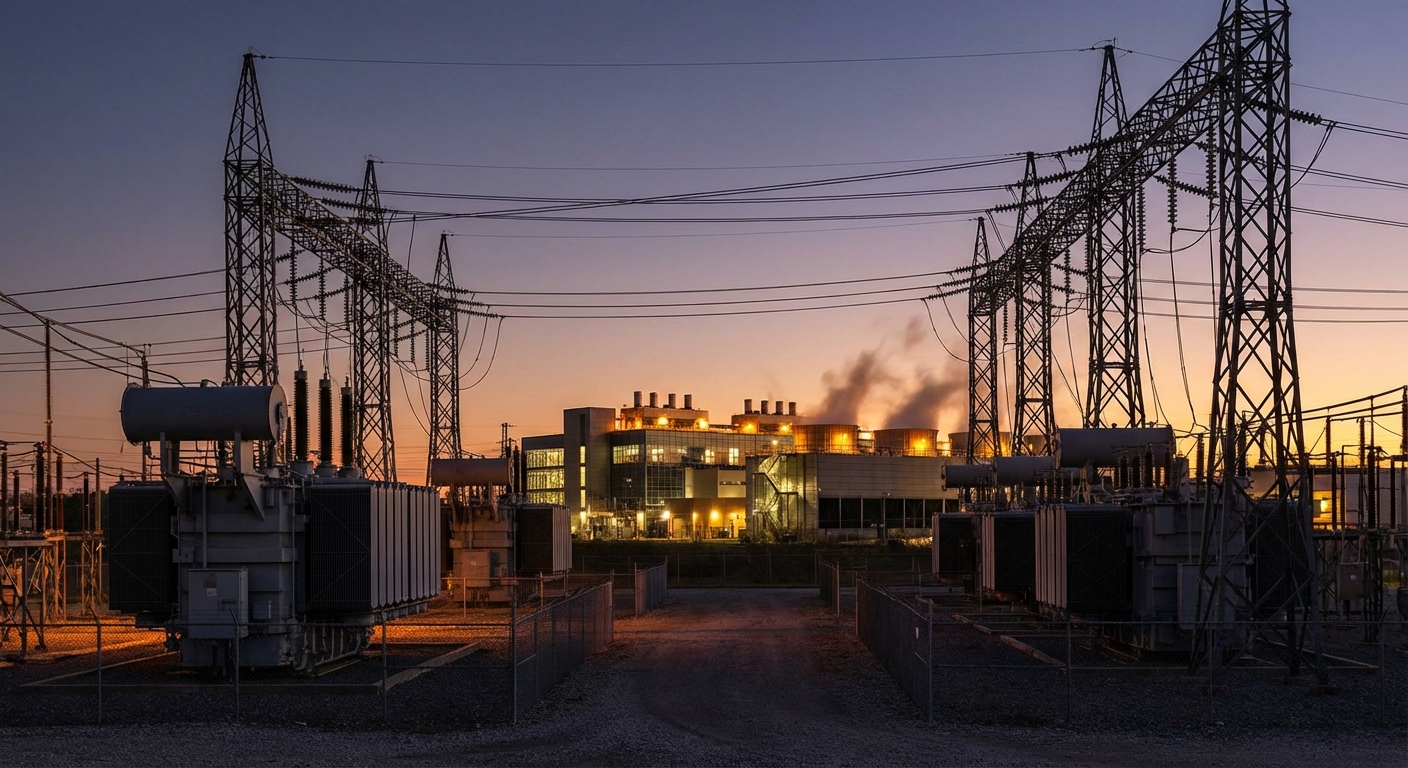
By mid-2025, this infrastructure constraint had become the limiting factor for the entire AI industry. Tech companies weren’t bottlenecked by algorithmic breakthroughs or lack of talent; they were bottlenecked by electricity and data center capacity. The race to build AI quickly became a race to secure power agreements and construction permits.
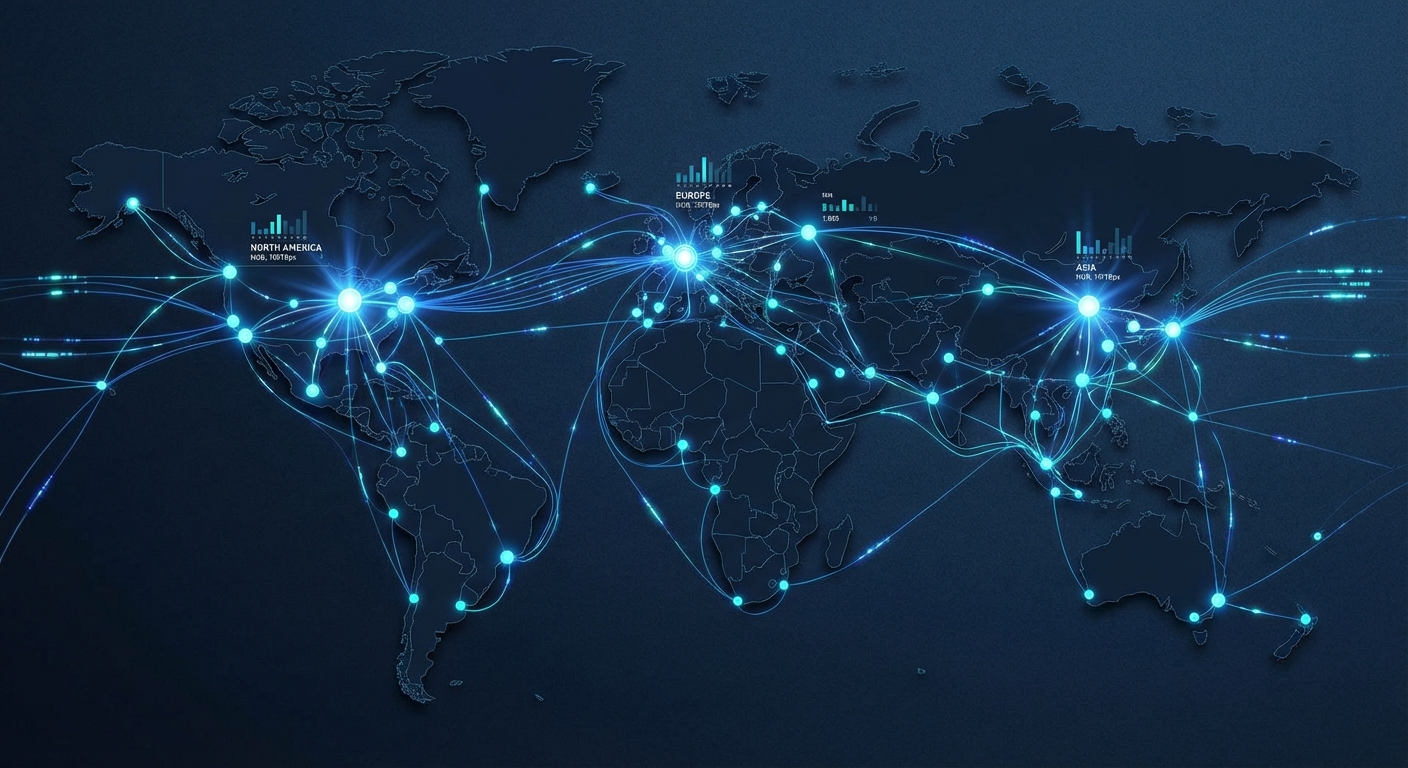
DigitalBridge sits at the center of this constraint. The Boca Raton, Florida-based firm doesn’t build AI. Instead, it invests in and manages the digital infrastructure that AI depends on: the data centers where models train and inference runs, the fiber networks that connect them, the cell towers that deliver AI services to mobile devices, and the edge computing facilities that bring AI closer to end users.
Managing $108 billion in such assets means DigitalBridge has relationships with utility companies, real estate developers, equipment manufacturers, and governments around the world. That network of relationships may be worth more to SoftBank than the assets themselves.
Son’s Artificial Super Intelligence Vision
To understand why SoftBank wants DigitalBridge, you need to understand what Son is actually building. Unlike other tech investors who talk about AI in terms of specific products or applications, Son has been explicit about his goal: developing what he calls Artificial Super Intelligence, or ASI. This isn’t chatbots or image generators; it’s the science-fiction concept of machine intelligence that exceeds human capability across essentially all domains.
Whether ASI is achievable, and if so when, remains hotly debated among AI researchers. But Son isn’t waiting for that debate to resolve. He’s operating as if ASI is coming and positioning SoftBank to be the company that provides its foundation.
This strategy became clearer earlier in 2025 with the announcement of Stargate, a joint venture between SoftBank, OpenAI, and Oracle that has committed up to $500 billion to build AI infrastructure in the United States. That’s not a typo. Half a trillion dollars for data centers, power plants, and the supporting infrastructure that frontier AI will require.
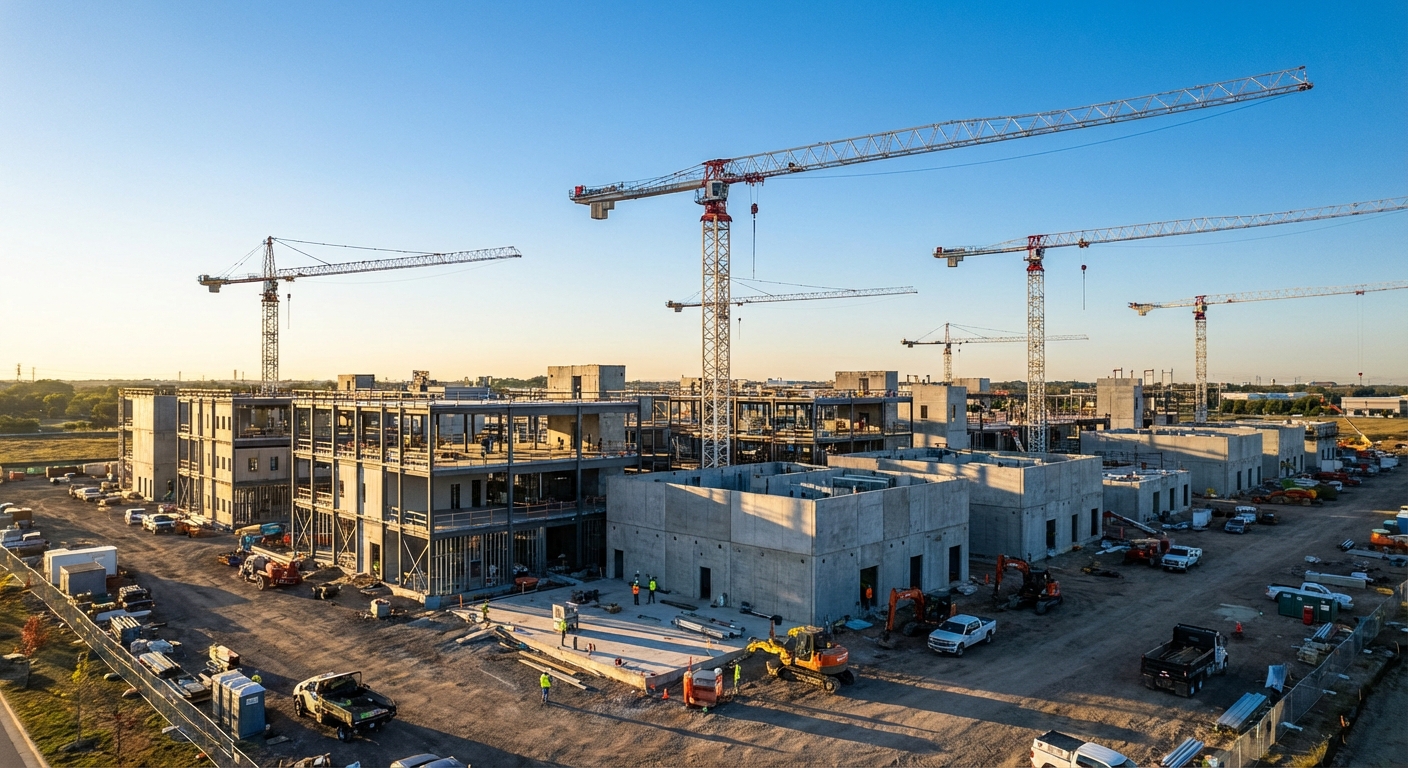
DigitalBridge fits into this vision as an acceleration mechanism. Rather than building infrastructure expertise from scratch, SoftBank is acquiring a company that has spent years developing exactly the capabilities needed to execute on massive infrastructure projects. Marc Ganzi, DigitalBridge’s CEO, described the acquisition as “one of the most significant investment opportunities of our generation” in AI infrastructure buildout.
The Deal Structure
The mechanics of the transaction are straightforward by M&A standards. Duncan Holdco LLC, an indirect subsidiary of SoftBank Group, will acquire all outstanding shares of DigitalBridge common stock for $16.00 per share in cash. The deal was unanimously approved by DigitalBridge’s Board of Directors following a recommendation from a special committee.
The expected closing in the second half of 2026 allows time for regulatory approvals across multiple jurisdictions. DigitalBridge operates globally, which means the deal will require sign-off from regulators in the United States, Europe, and potentially other markets where the company holds significant infrastructure assets.
A year-plus timeline for closing also gives both companies time to plan integration. SoftBank isn’t just buying assets; it’s buying an organization with specific expertise in identifying, acquiring, and operating digital infrastructure investments. Maintaining that expertise through the transition will be critical to realizing the deal’s value.
What This Means for the AI Industry
The DigitalBridge acquisition represents a broader shift in how sophisticated investors are thinking about AI. The initial phase of the AI boom was dominated by companies building models: OpenAI, Anthropic, Google DeepMind, Meta’s AI research teams. Investors poured money into these organizations, betting that the companies that developed the most capable AI would capture the most value.
That thesis hasn’t been abandoned, but it’s being supplemented by a recognition that AI’s value chain extends far beyond the models themselves. Someone needs to manufacture the chips, and companies like NVIDIA and AMD have benefited enormously. Someone needs to design the chips, which has driven valuations at firms like Arm. And someone needs to provide the physical infrastructure where all this hardware runs.
SoftBank’s bet is that infrastructure may actually be the most defensible position in this value chain. AI models can be replicated; indeed, open-source alternatives to proprietary models have proliferated throughout 2025. But you can’t download a data center. You can’t open-source a fiber network. The physical assets that AI depends on have characteristics that software doesn’t: they take years to build, require enormous capital, and face genuine scarcity constraints around land and power.
This infrastructure-first thesis explains why the biggest AI investments of 2025 have increasingly focused on the physical rather than the digital. Amazon, Microsoft, and Google have pledged a combined $67.5 billion in Indian investments since October, with the bulk targeting data center construction. The Stargate project’s $500 billion commitment dwarfs anything being invested in model development. And now SoftBank is spending $4 billion to acquire infrastructure expertise rather than AI talent.
The Risks
No $4 billion bet is without risk, and the DigitalBridge acquisition carries several. Most obviously, the entire premise depends on AI demand continuing to grow. If the AI boom turns out to be more bubble than revolution, all that infrastructure capacity could become expensive dead weight. Data centers don’t just sit idle cheaply; they require ongoing maintenance, security, and power even when underutilized.
There’s also execution risk in integrating DigitalBridge into SoftBank’s broader AI strategy. Investment firms have their own cultures, processes, and relationships that don’t always translate well under new ownership. If key talent departs or relationships with utility companies and developers sour, the strategic value of the acquisition could diminish quickly.
Finally, there’s regulatory uncertainty. As AI becomes more central to economic activity, governments around the world are paying closer attention to who controls critical infrastructure. An acquisition that looks purely commercial today could face additional scrutiny tomorrow if attitudes toward foreign ownership of digital infrastructure shift.
The Bottom Line
SoftBank’s acquisition of DigitalBridge is less flashy than Meta buying an AI startup for $2 billion, but it may be more consequential. While other companies race to build smarter models, Son is quietly assembling the physical foundation that every AI company will need to scale.
The bet is simple in concept if ambitious in execution: AI’s future will be determined not just by which company builds the best algorithms, but by which company controls the infrastructure where those algorithms run. With DigitalBridge, SoftBank is positioning itself to be that company, or at least to be the essential partner that every other company needs.
Whether this strategy proves prescient or premature will depend on whether AI demand actually materializes at the scale investors expect. But if Son is right that artificial super intelligence is coming, and that it will require infrastructure beyond anything currently imaginable, then $4 billion for DigitalBridge might turn out to be one of the great bargains of the AI era.
The deal is expected to close in the second half of 2026, subject to regulatory approvals. Until then, the AI infrastructure race continues, with SoftBank now holding a significantly stronger hand.
Sources: SoftBank Group Press Release, Bloomberg, CNBC