
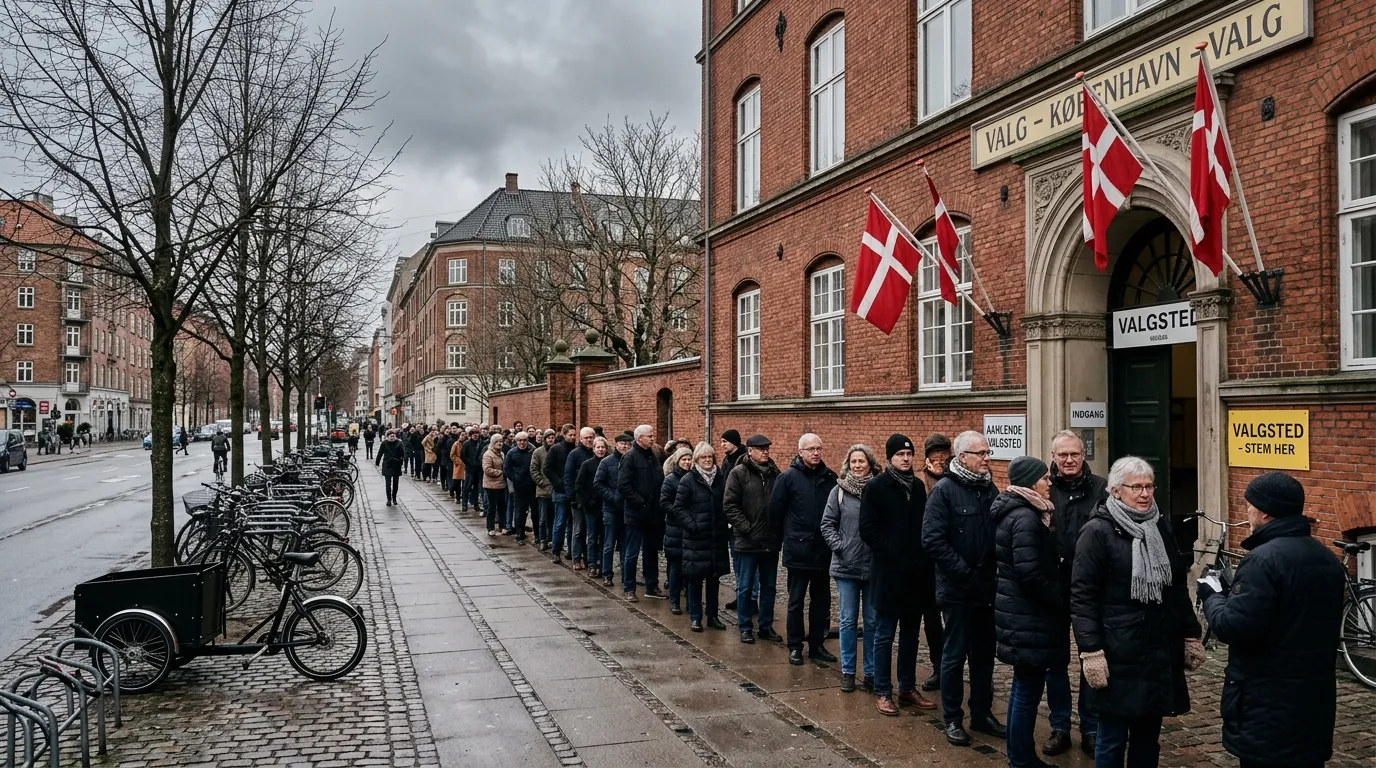
Denmark went to the polls on Tuesday in a snap election that Prime Minister Mette Frederiksen called for one reason and voters showed up to decide for entirely different ones. Frederiksen triggered the early vote last month after her approval ratings surged in response to President Trump's push to acquire Greenland. But the campaign that followed barely mentioned the Arctic territory. Danish voters wanted to talk about food prices, welfare, pensions, and pig farm water quality.
The result was a mess that neither side can claim as a victory. With 75% of votes counted Tuesday night, Frederiksen's left-wing bloc held a narrow lead with 83 seats in the 179-seat Folketing, Denmark's parliament. The right-wing bloc trailed with 78. Neither came close to the 90 seats needed for a majority. And sitting in between them, with roughly 14 seats and the power to decide Denmark's next government, were the centrist Moderates led by Lars Lokke Rasmussen, a two-time former prime minister who now serves as foreign minister.
Denmark is headed for weeks of coalition talks, and the outcome is anything but certain.
How Greenland Started This and Then Disappeared
The backstory is worth understanding. Frederiksen has been in office since 2019, and by late 2025 her government was struggling. Support for her Social Democrats had eroded, her three-party coalition (the first in decades to cross Denmark's left-right divide) was fraying, and there was no obvious path to a comfortable reelection.
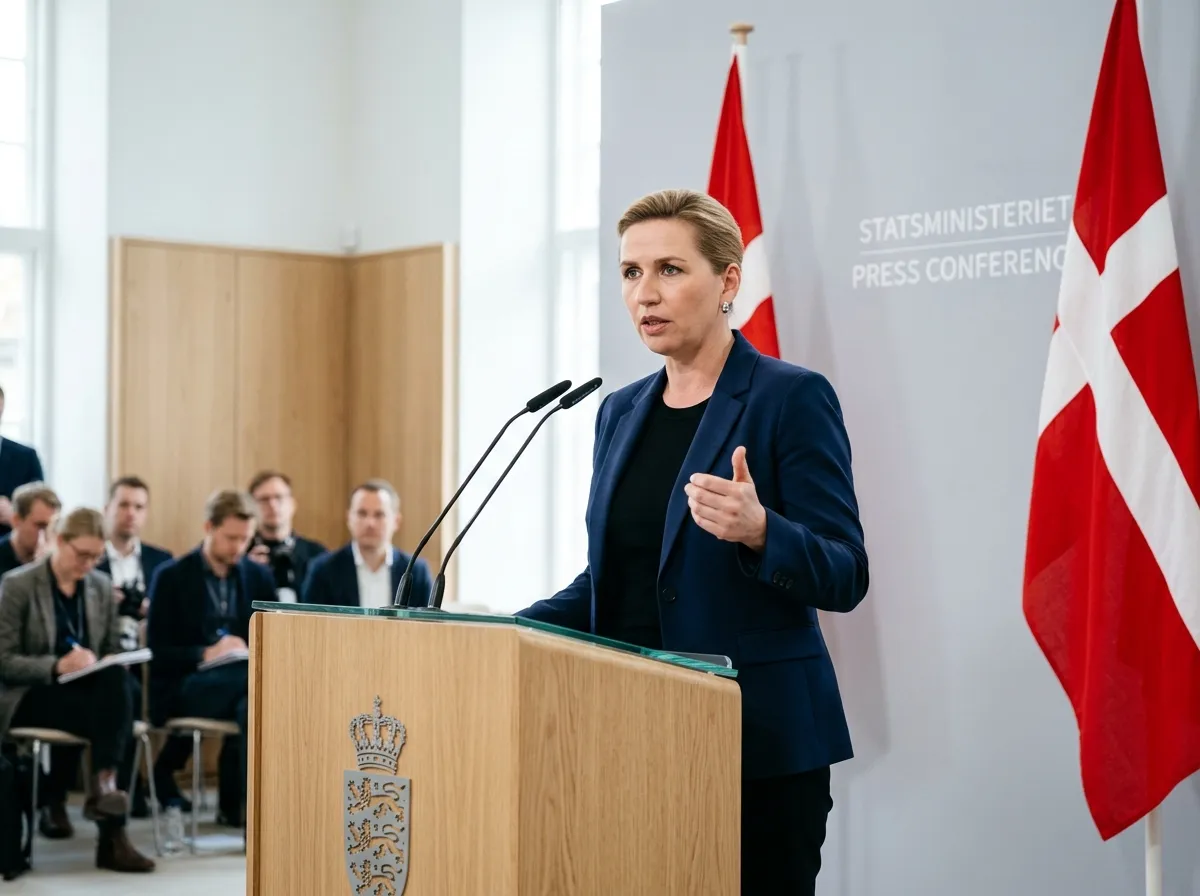
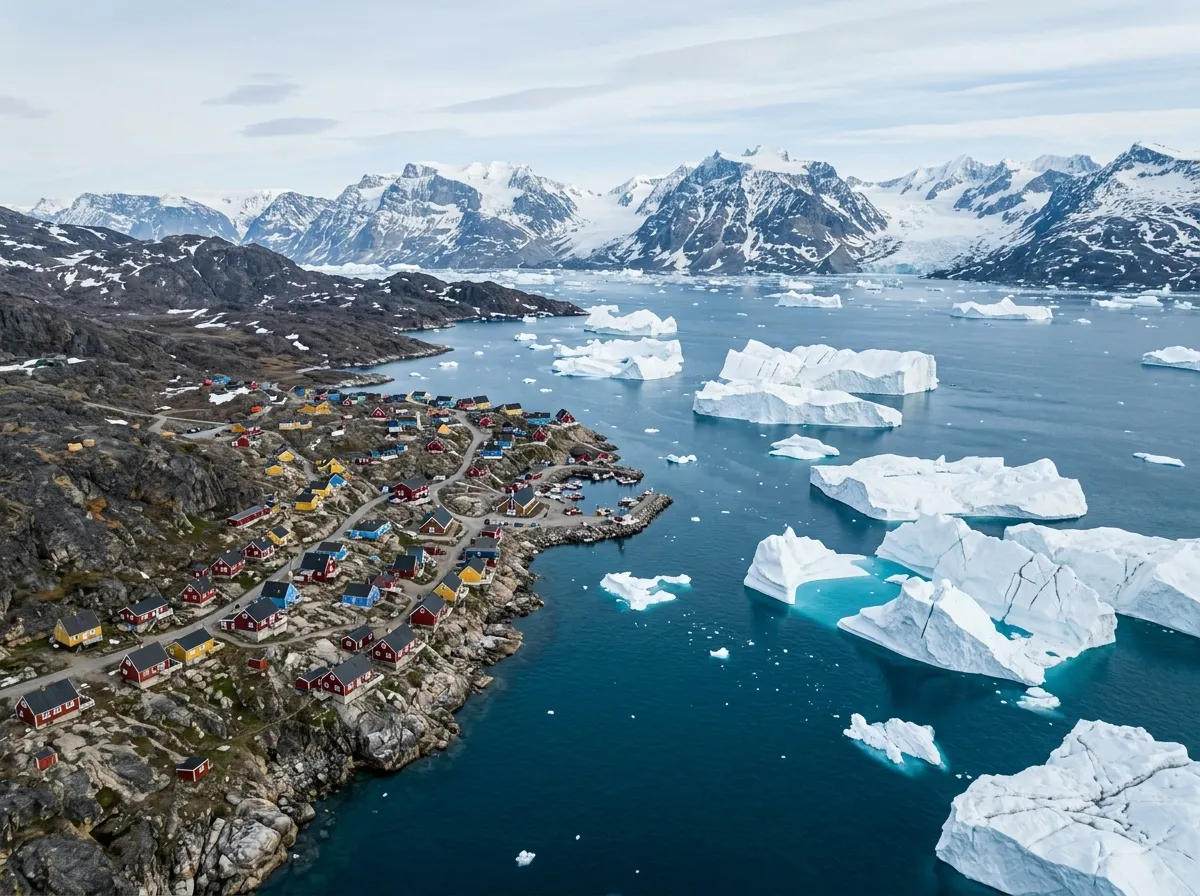
Then Trump started talking about Greenland again. The president had first floated the idea of buying the semi-autonomous Danish territory in 2019, a suggestion that Frederiksen famously called "absurd." When Trump renewed the push in early 2026, going further with explicit threats to use economic pressure to force a deal, Frederiksen didn't blink. She rejected the overture flatly, positioned herself as the defender of Danish sovereignty, and watched her poll numbers climb.
The gambit worked well enough to call an election. But it didn't work well enough to win one outright. Political scientist Peter Thisted Dinesen noted that "the whole situation around Greenland definitely helped her a little bit in the polls," but Danish voters were not prepared to hand her a mandate based on a foreign policy standoff alone. Once the campaign began, the conversation shifted to the issues that affect daily life: the cost of groceries, the state of the welfare system, and whether Denmark's agricultural sector is contaminating its drinking water.
The Numbers That Matter
The Social Democrats remain Denmark's largest single party, but their projected 38 seats and 21% vote share represent one of the party's weakest showings in decades. For a party that once routinely cleared 30%, this is a sobering result, even if it still puts Frederiksen ahead of every individual competitor.
The right-wing bloc is fragmented. The traditional center-right Liberals dropped to about 16 seats with 9.3% of the vote, their position threatened by the surging Liberal Alliance, which attracted younger conservative voters with a free-market message. The Danish People's Party staged a dramatic comeback, jumping from 2.6% in 2022 to 9.2% on Tuesday, powered by its hardline stance on immigration, an issue that Frederiksen's government had already moved right on but that voters on the right still felt wasn't being addressed aggressively enough.
Turnout was strong at roughly 72% by early evening, with about 3 million of Denmark's 4.3 million eligible voters casting ballots.
The Kingmaker Problem
The real power in this election belongs to Lars Lokke Rasmussen and his Moderates. With roughly 14 seats, they can tip the balance to either bloc, and Rasmussen has shown no loyalty to either side. He was twice prime minister for the center-right Liberals before founding the Moderates as a centrist breakaway in 2022. He then joined Frederiksen's cross-aisle coalition as foreign minister. He has governed with the left and the right, and his party's platform is deliberately positioned between them.
This gives Rasmussen enormous leverage in coalition negotiations. He could prop up Frederiksen for a fourth year, extracting policy concessions on economic reform and defense spending. He could pivot to the right-wing bloc and help form a center-right government, though that would require stitching together a coalition from several parties that don't agree on much beyond opposing the Social Democrats. Or he could demand a new cross-bloc government similar to the outgoing one, with himself in a senior role.
The four overseas seats complicate things further. Two seats represent Greenland and two the Faroe Islands. These parliamentarians often hold independent positions and have occasionally been decisive in close elections. In an outcome this tight, they could determine which bloc crosses the 90-seat threshold.
What This Means Beyond Denmark
For the rest of Europe, and for Washington, the significance of this election has less to do with who governs Denmark and more to do with what it signals about the political fallout from Trump's foreign policy.
Frederiksen bet that standing up to Trump would translate into domestic political capital. It did, to a point. Her approval ratings rose, she got the snap election she wanted, and her bloc finished first. But the boost was shallow. Danish voters appreciated her stance on Greenland without making it their primary voting issue. The lesson for other European leaders watching this result is that confrontation with Washington can help at the margins, but it won't override the issues that voters actually care about: economic security, public services, and the cost of living.
Denmark has also moved dramatically on defense in the past year. The government increased spending on Greenland tenfold, accelerated its timeline for meeting NATO's spending targets, and positioned itself as a more assertive player in Arctic security. Those commitments will outlast any single government. Whoever forms the next coalition will inherit a Denmark that is spending more on defense, more engaged in the Arctic, and more conscious of its strategic position between the United States and Europe than at any point since the Cold War.
What Happens Next
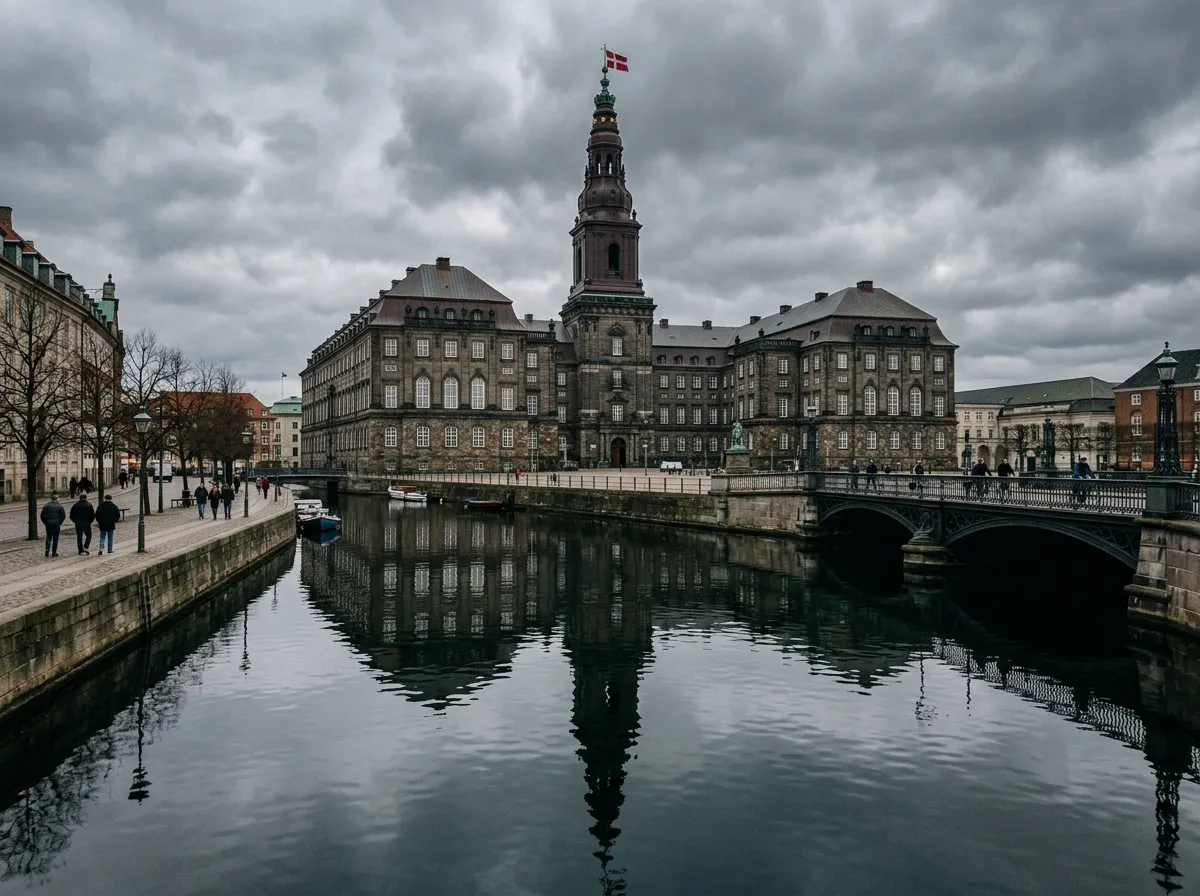
Final results were expected around 1 AM local time, but the coalition math was already clear: no side has the numbers to govern alone. Frederiksen will get the first chance to form a government as the leader of the largest party and the winning bloc. But "winning" with 83 seats in a 179-seat parliament means she needs partners, and the most obvious partner, Rasmussen's Moderates, will demand a high price.
Danish coalition negotiations typically take one to three weeks, though the fragmented result could push talks longer. If Frederiksen cannot assemble a majority, the mandate could pass to the right-wing bloc, though their internal divisions make a coherent right-wing government even harder to construct.
For now, Denmark has done what democracies do. It voted. It disagreed. And it will spend the next few weeks arguing about what the disagreement means. The one thing every party in the Folketing agrees on is that Greenland stays Danish. On everything else, the conversation is just getting started.
Sources
- NPR: Denmark Holds Early Elections Spurred by Trump's Threats to Take Greenland
- Al Jazeera: Danish PM's Social Democrats Take Early Lead in Elections
- The Local Denmark: Denmark's Conservative Parties Take Slim Lead in 2026 Election
- Euronews: Denmark Votes in Snap Election as Mette Frederiksen Seeks Third Term