
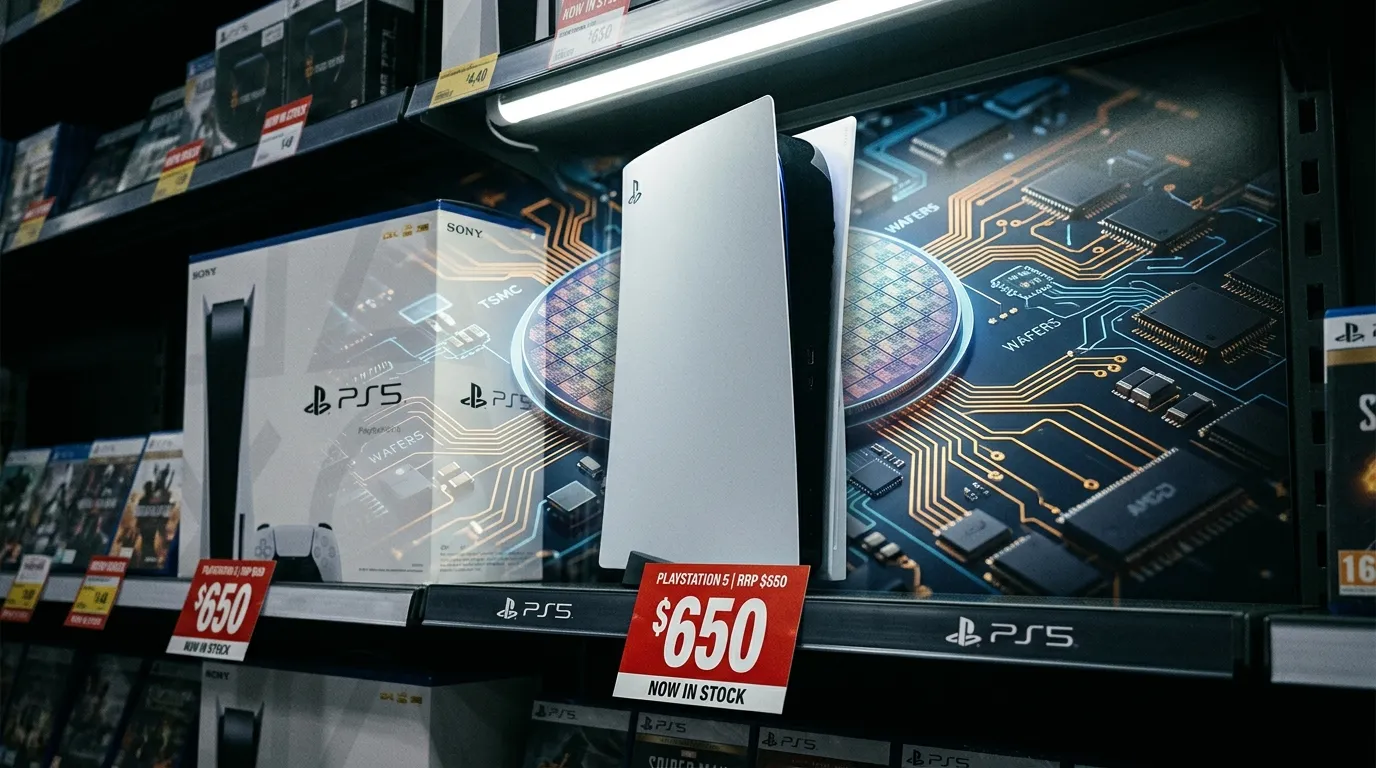
The PlayStation 5, which launched at $499 in November 2020, will cost $650 starting April 2. The PS5 Pro will cost $900. Sony announced the price increases on Thursday, marking the second hike in under a year and the fourth adjustment since launch. At the equivalent point in the PlayStation 4's lifecycle, that console retailed for $200. A PS5 disc edition now costs more than three times that.
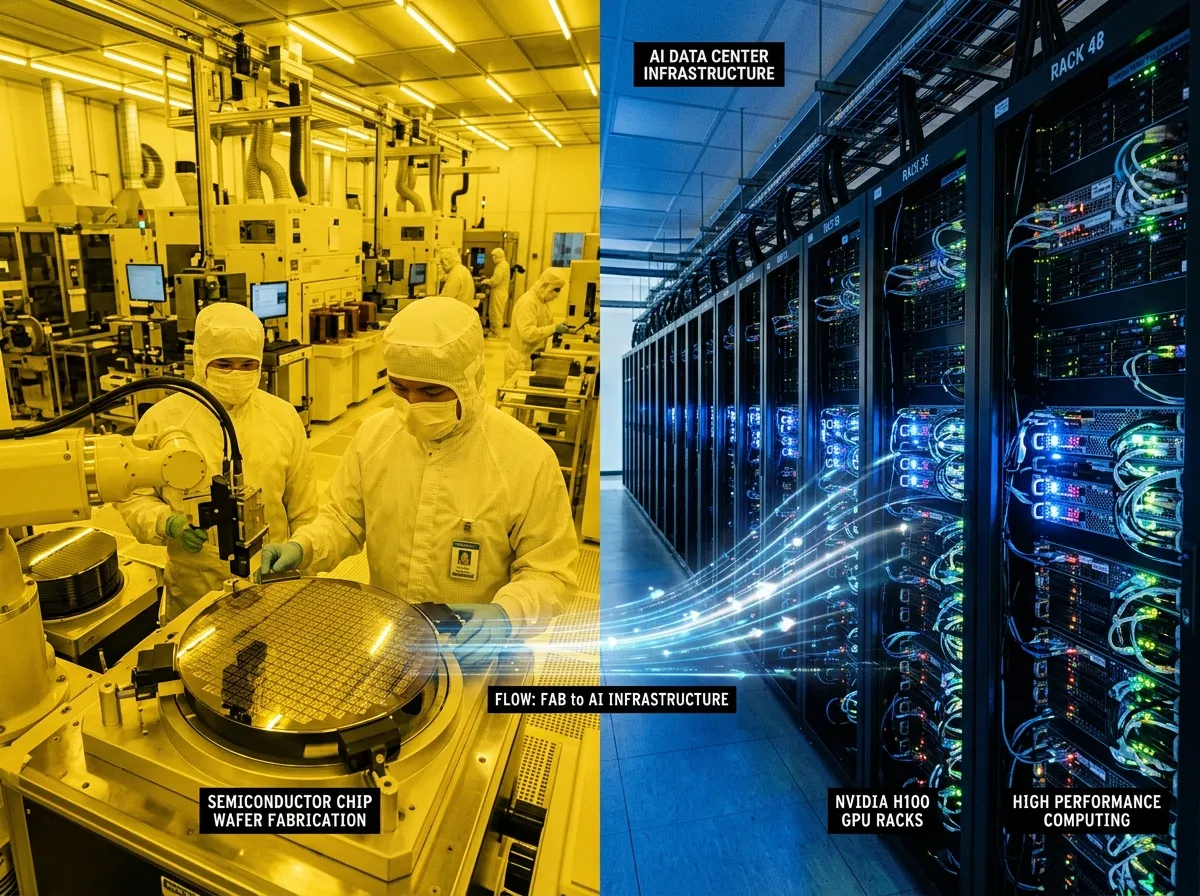
Isabelle Tomatis, VP of Global Marketing at Sony Interactive Entertainment, attributed the move to "continued pressures in the global economic landscape" and called it "a necessary step to ensure we can continue delivering innovative, high-quality gaming experiences." The language was corporate and vague. The math behind the decision is not. DRAM prices have surged up to 170% year-over-year. NAND Flash is up 55-60% since late 2025. The reason: AI data centers now consume an estimated 70% of all memory chips produced worldwide, and manufacturers are prioritizing the higher-margin server business over everything else.
The Full Price Picture
Every PlayStation product in the lineup is getting more expensive. Here is what changes on April 2:
- PS5 (disc edition): $549.99 to $649.99 (+$100)
- PS5 Digital Edition: $499.99 to $599.99 (+$100)
- PS5 Pro: $749.99 to $899.99 (+$150)
- PlayStation Portal: $199.99 to $249.99 (+$50)
Similar increases apply globally. In Japan, PS5 pricing has roughly doubled since launch. In Europe and the UK, all models jump by EUR 100 and GBP 90, respectively.
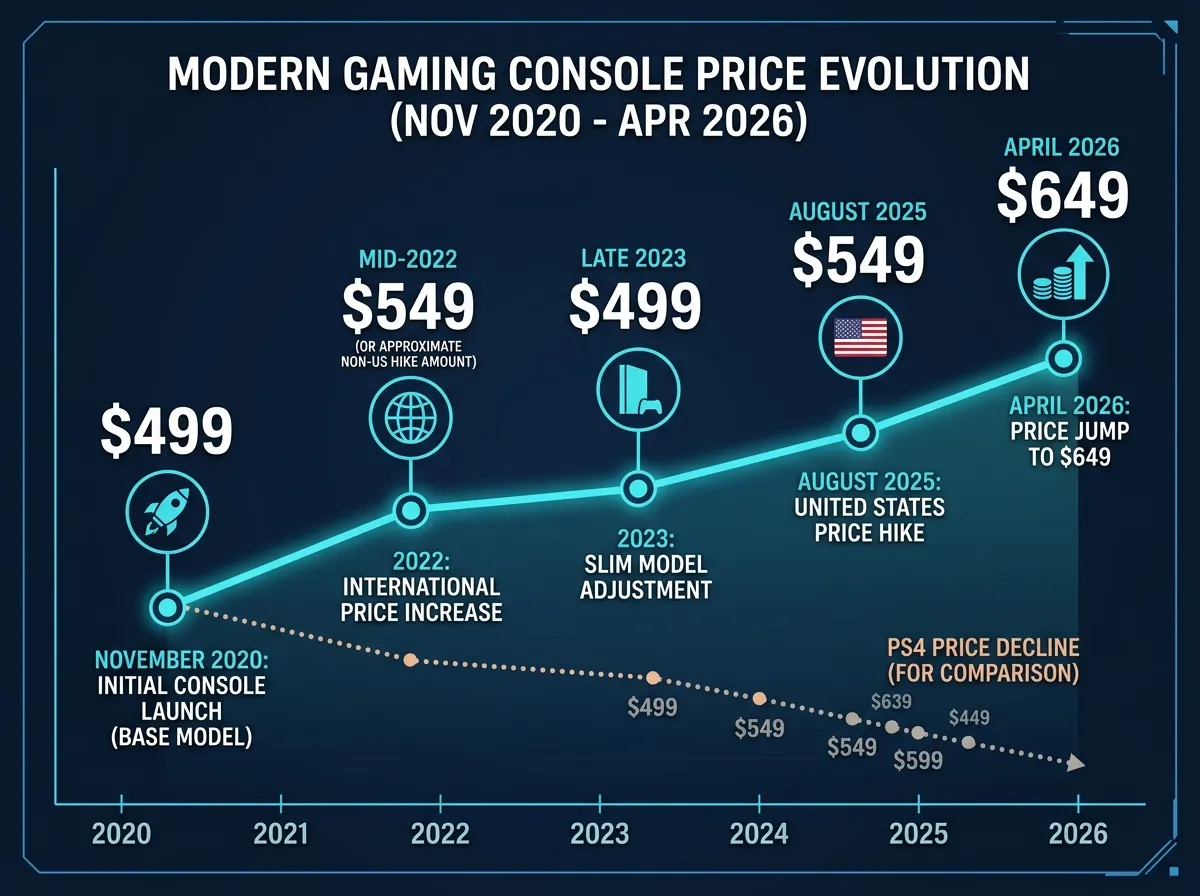
This is not the normal trajectory for a gaming console. Historically, hardware gets cheaper as components mature and manufacturing scales up. The PS4 dropped from $399 to $299 within three years of launch. The PS5 has moved in the opposite direction, and the gap is accelerating: August 2025 brought a $50 increase tied to tariffs, and now April 2026 adds another $100. The total increase on the disc edition since launch is 30%. The Digital Edition is up 50%. The PS5 Pro, which already raised eyebrows at its $699 debut in November 2024, has climbed $200 in 16 months.
Why AI Is the Reason Your Console Costs More
The sticker price traces back to a single supply chain shift. Memory chip manufacturers, led by Samsung, SK Hynix, and Micron, have been aggressively reallocating production capacity toward high-bandwidth memory (HBM) for AI servers. The margins on data-center chips are substantially higher than on consumer-grade memory, and the demand is enormous. OpenAI's Stargate project alone has signed agreements with Samsung and SK Hynix for up to 900,000 wafers of DRAM per month, accounting for close to 40% of global DRAM output.
The result is what some in the industry are calling "RAMmageddon." Memory demand is growing roughly 35% in 2026 while supply grows just 23%, the tightest market in years. Tom's Hardware characterized the situation as a "pricing apocalypse that could last a decade." And it is not limited to gaming. Xiaomi has warned that smartphone prices will rise 20-30% due to the same memory shortage. TVs, laptops, and consumer electronics of all kinds will follow.
Tariffs compound the problem. The Trump administration's global 10% duty on imported goods, combined with specific levies on electronics from China and Japan, has been squeezing margins since 2025. A Consumer Technology Association analysis projected that existing tariff regimes could raise console prices by up to 40% if fully passed through to consumers. Sony's August 2025 hike was explicitly attributed to tariffs. The March 2026 increase layers memory costs on top.
Piers Harding-Rolls, Research Director at Ampere Analysis, said the price rises were "inevitable due to the increase in memory prices" and noted that Sony's component price protections may have expired, forcing retail adjustments to maintain already-thin hardware margins. He added: "A new wave of inflation is expected from the war in the Middle East, and this will compound the effect of the component price increases."
The Two-Tier Gaming Market
The PS5 Pro at $900 now costs roughly the same as a comparable gaming PC build (Ryzen 5 7600, RTX 4060, 16GB RAM, 1TB SSD before monitor or peripherals). But PC component prices have rocketed due to the same memory shortage, so the traditional argument that a gaming PC offers better value at the high end has weakened. XDA Developers published an analysis earlier this year arguing that "you're better off buying a PS5 Pro over a gaming PC" given current market conditions.
The broader concern is who can afford to game at all. Mat Piscatella, an analyst at Circana, said he is "very concerned" about consumers being squeezed out, noting that increasingly wealthier households already make up the majority of new hardware buyers in the United States. The average game hardware purchase price has jumped from $235 in November 2019 to $439 in November 2025, and that figure will climb further. "The gaming market is increasingly splitting into two tiers," Piscatella said.
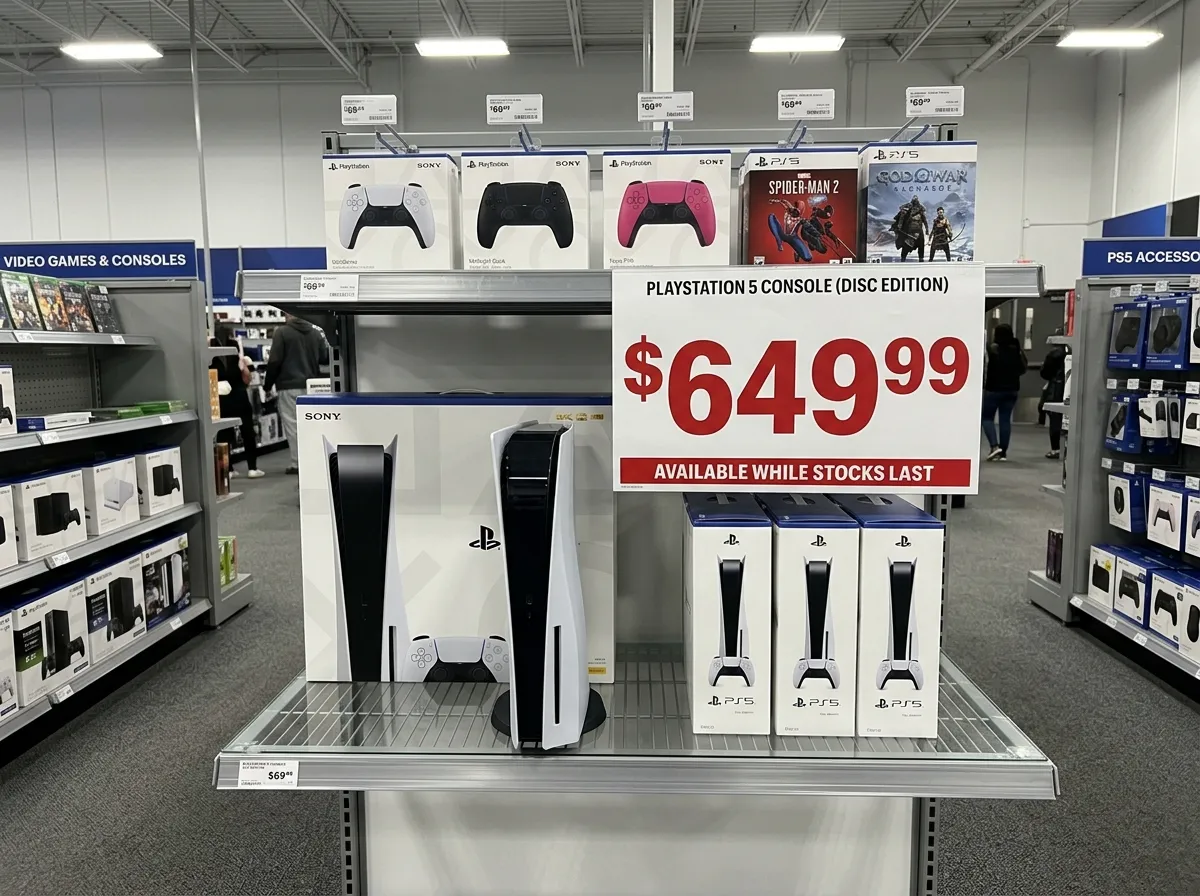
Microsoft is in the same bind. The Xbox Series X has been raised twice since launch and now starts at $649.99, up $150 from its original $499. The Series S at $399 is the most affordable current-gen option, though analysts expect that to change. Serkan Toto, CEO of Kantan Games, suggested Sony may have "baked in potential future fluctuations and decided to go for one substantial increase in early 2026 instead of raising prices more frequently." Nintendo's Switch 2 pricing has not been adjusted yet, though Harding-Rolls noted that raising prices on a recently launched platform would be "challenging."
Analysts at GamesRadar went further, projecting that the PlayStation 6 and Xbox "Project Helix" could launch at prices 50% higher than their predecessors. A $999 console, they wrote, "is not impossible."
What Happens Next
The PS5 has shipped 92.2 million units as of December 2025, surpassing the PS3's lifetime but still well below the PS4's 117 million. The price increase makes closing that gap significantly harder. The hope had been that Grand Theft Auto 6 would drive a late-cycle surge, the way GTA V did for the PS3 and PS4. At $650 per console, that calculus looks different. Analysts now predict that PS5 installation base growth will "significantly slow," and Sony's monetization strategy will shift toward subscriptions and software sales to its existing 92.2 million owners.
For consumers, the math is blunt. The AI infrastructure buildout that is reshaping the tech industry is not just an abstract story about data centers and chip factories. It has a price, and starting April 2, it shows up on the sticker of every PlayStation on the shelf. The same dynamic that is pushing companies to cut headcount and sparking a race to build new chip capacity is now making it more expensive to sit on your couch and play a video game. The era of the $400 console launch appears to be over, and the AI boom is a significant part of the reason why.
Sources
- PlayStation Blog: New Price Changes for PS5, PS5 Pro, and PlayStation Portal - Sony's official announcement with Isabelle Tomatis's statement
- CNBC: Sony Raises PlayStation 5 Prices as Memory Chip Costs Surge - Piers Harding-Rolls quotes and global pricing details
- VGC: PS5 Console Prices Being Raised by $100 - Full regional pricing tables and 170% DRAM price increase
- Push Square: PS5 Price History and Analysis - Complete price timeline, OpenAI DRAM allocation data, and PlayStation division financials
- Tom's Hardware: Perfect Storm Driving Up Storage Costs - "Pricing apocalypse" analysis of memory chip market dynamics