
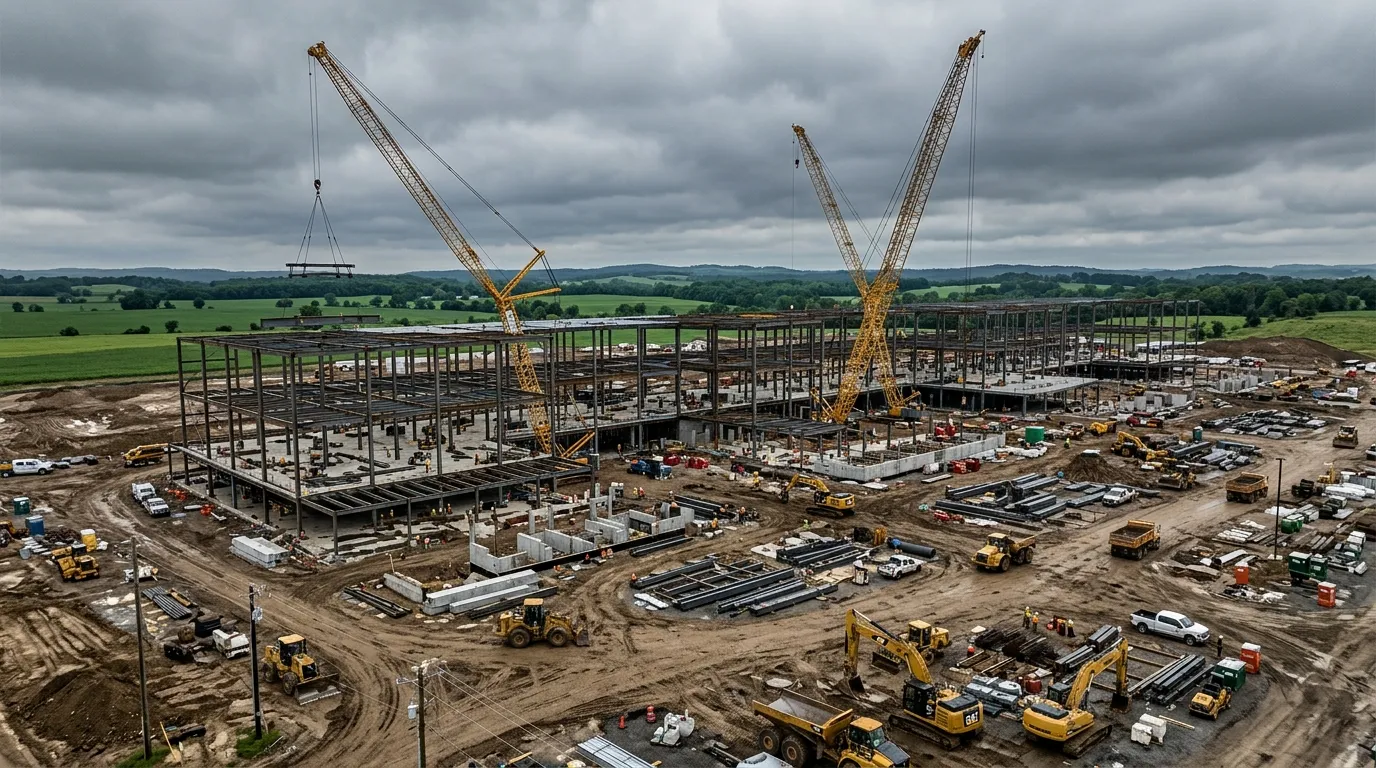
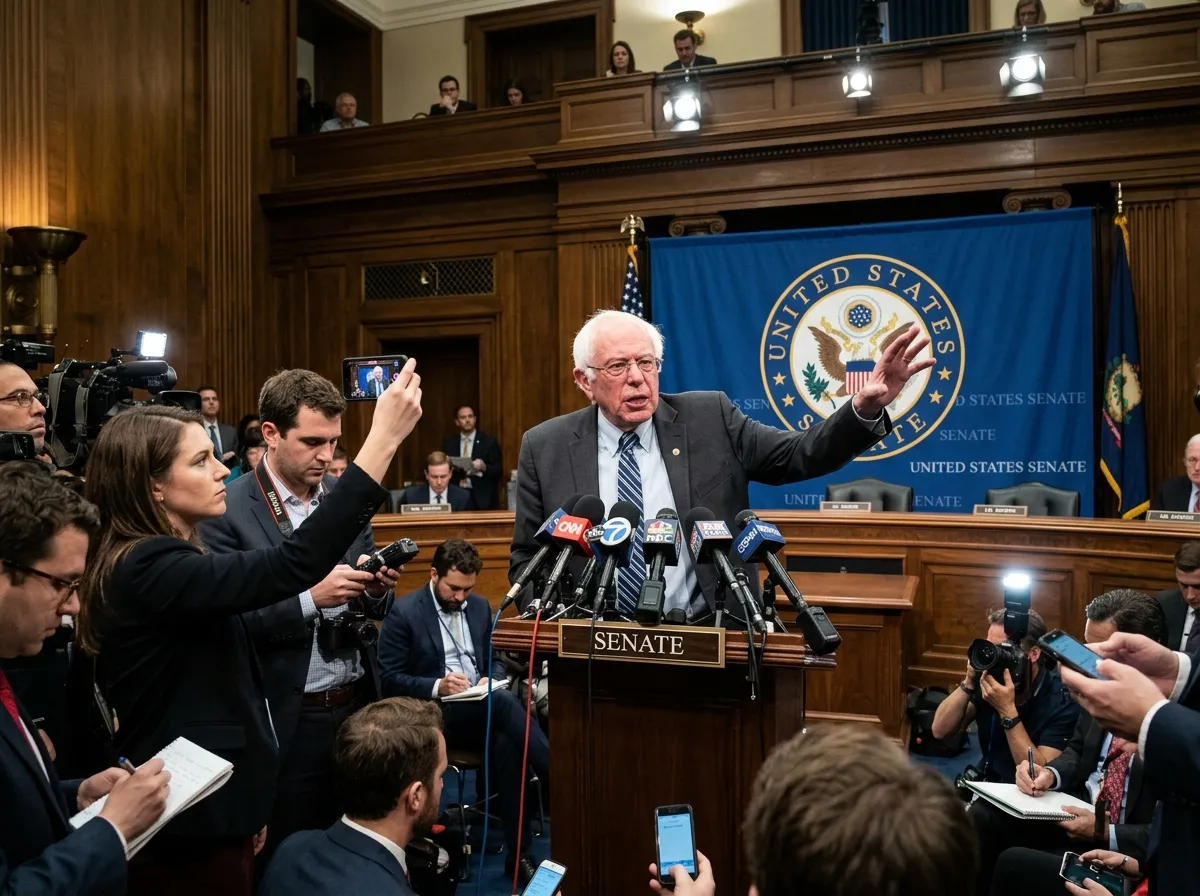
Senator Bernie Sanders and Representative Alexandria Ocasio-Cortez introduced a bill on Tuesday that would do something no piece of federal legislation has attempted before: stop AI data center construction across the entire country until Congress figures out the rules. The Artificial Intelligence Data Center Moratorium Act would freeze all new builds and block U.S. exports of AI computing infrastructure to countries without their own safety frameworks. The moratorium could only be lifted after federal legislation establishes protections for workers, consumers, civil rights, and the environment.
The bill has almost no chance of passing. Republicans control both chambers and have shown little appetite for slowing down AI infrastructure investment. But the proposal is worth paying attention to, not because it will become law, but because it crystallizes a set of anxieties that are spreading far beyond the progressive left and into communities where data centers are actually being built.
What the Bill Would Do
The legislation is straightforward in its ambitions. No new AI data centers could break ground anywhere in the United States until Congress passes comprehensive AI regulation addressing three categories of harm: safety risks to workers and consumers, environmental damage from energy consumption, and civil rights violations including surveillance and deepfake creation.
The export provision adds a second layer. U.S. companies would be barred from shipping AI computing hardware to countries that lack comparable safeguards, a measure clearly aimed at preventing American firms from simply building abroad to avoid domestic restrictions.
"We cannot sit back and allow a handful of billionaire Big Tech oligarchs to make decisions that will reshape our economy, our democracy and the future of humanity," Sanders said in a statement announcing the bill. Ocasio-Cortez framed the stakes in moral terms: "Congress has a moral obligation to stand with the American people and stop the expansion of these data centers until we have a framework to adequately address existential harm."
The Numbers Behind the Anxiety
The bill's supporters cite a set of statistics that explain why more than 100 U.S. communities have already enacted their own data center moratoriums and 12 states are pursuing statewide restrictions. Data centers currently consume roughly 1.5 percent of global electricity, according to the International Energy Agency. AI server demand is growing at approximately 30 percent annually, and the infrastructure buildout to support that growth is accelerating. Elon Musk's recently announced $25 billion Terafab chip factory and similar megaprojects are driving a construction boom that is reshaping energy grids and real estate markets in communities that often had no say in the decision.
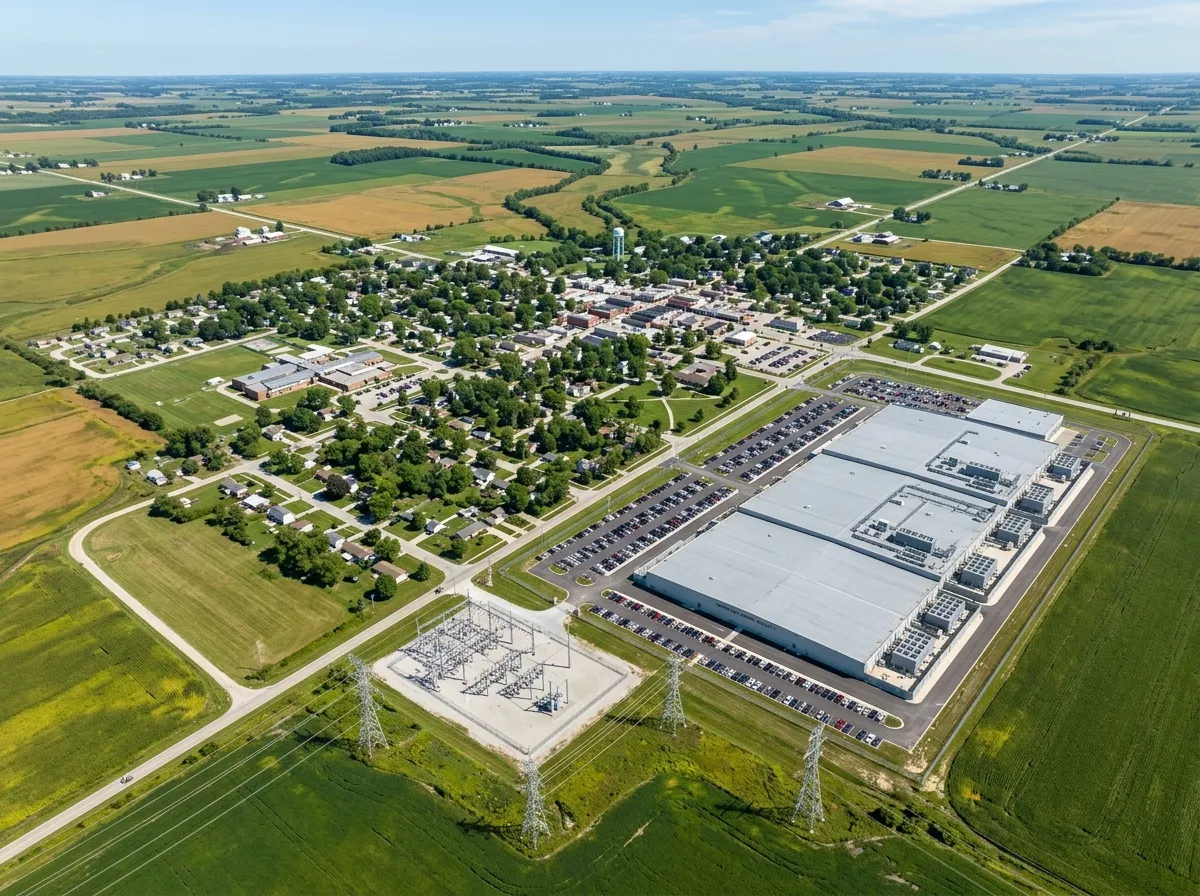
The local impacts are tangible and specific. Residents near proposed data centers have reported concerns about rising electricity bills, strained water supplies for cooling systems, noise pollution from industrial fans, and the displacement of agricultural land. In some regions, utility companies have warned that new data center connections could require grid upgrades costing hundreds of millions of dollars, with ratepayers shouldering much of the burden. The bill's backers note that these communities are absorbing the costs of AI expansion while the economic benefits concentrate among a small number of companies and their shareholders.
Sanders' office also pointed to a 2023 letter signed by more than 1,000 industry leaders and scientists, including Musk himself, Demis Hassabis of Google DeepMind, and Anthropic CEO Dario Amodei, calling for at least a six-month pause in advanced AI development. The implication: even the people building this technology have acknowledged, at least once, that the pace of deployment is outrunning our ability to manage it.
The Opposition Is Already Loud
The bill drew sharp criticism within hours of its announcement. Democratic Senator John Fetterman dismissed it as "China First," arguing that freezing American AI infrastructure would hand a strategic advantage to Beijing at exactly the moment when the U.S.-China technology competition is intensifying. His framing previews the counterargument that will likely dominate: national security.
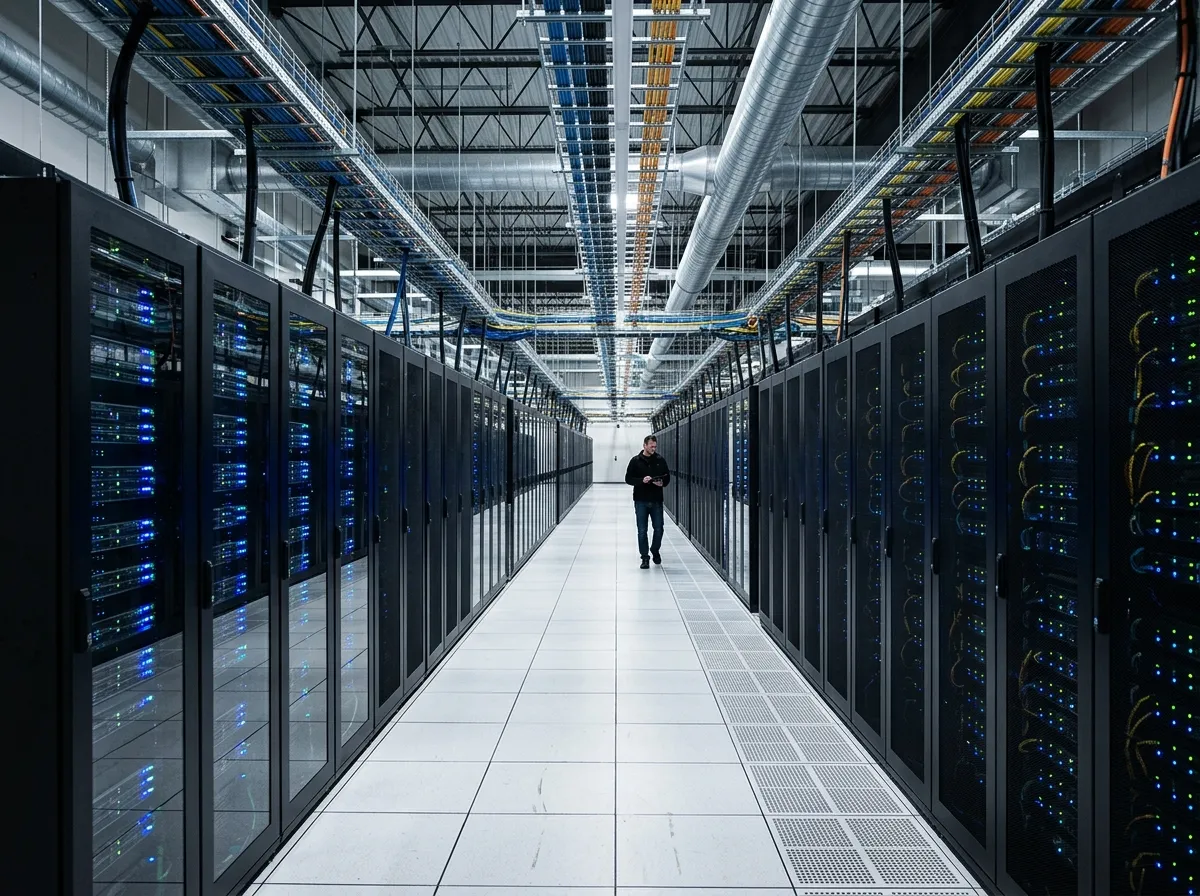
The Center for Data Innovation, an industry-aligned think tank, published a detailed rebuttal calling the bill's logic backward. "Congress should not mistake a grab bag of loosely related fears for a legitimate case for a moratorium," the statement read. The center argued that rising utility costs should be addressed through market design reforms, not construction freezes, and that blocking data centers forfeits the "tens of billions in investment these facilities bring" to local economies. On AI safety specifically, the center contended that model evaluations, red teaming, and transparency requirements would be more targeted and effective than halting physical infrastructure.
The tech industry's lobbying apparatus will almost certainly ensure the bill dies in committee. Major cloud providers and chip manufacturers have invested billions in planned facilities that the moratorium would freeze overnight, and they will fight accordingly. But dismissing it entirely would miss the point. The 100-plus community moratoriums already in place did not require federal legislation. They happened because local governments decided, on their own, that the costs of hosting AI infrastructure were not being fairly distributed. The Sanders-AOC bill is an attempt to give that grassroots resistance a federal framework.
What This Actually Means for AI Policy
The bill's real significance is not in its specific provisions but in the political space it occupies. For the past two years, AI policy in Washington has been dominated by two camps: industry-friendly Republicans who want minimal regulation to maintain competitive advantage against China, and moderate Democrats who favor voluntary commitments and incremental guardrails. The Sanders-AOC proposal opens a third lane, one that treats AI infrastructure itself as the regulatory target rather than the models or applications running on it.
This is a meaningful distinction. Most proposed AI regulation focuses on what the technology does: bias in hiring algorithms, deepfakes in elections, surveillance overreach. The moratorium bill focuses on what the technology consumes: land, water, electricity, and community resources. It reframes AI not as a software problem but as an industrial one, closer to pipeline construction or mining than to app store policy. Whether you agree with the approach or not, it forces a conversation that the technology industry has worked hard to avoid.
The bill also exposes a tension within the Democratic Party that has been building since the CFO survey revealing AI's impact on jobs. Progressive members see AI as the next front in the fight against corporate consolidation. Moderates worry that aggressive regulation will cede ground to China. That split is not going away, and the moratorium bill will serve as a litmus test for where individual lawmakers fall.
The Impact
The moratorium bill will not become law in this Congress. But its introduction marks a shift in how Washington talks about AI infrastructure, from an abstract economic competitiveness question to a concrete question about who pays and who profits. The 100-plus communities that have already acted on their own are not waiting for federal guidance, and the political pressure they are creating will outlast this particular bill.
For the tech companies racing to build massive new facilities across the country, the message from local governments and now federal lawmakers is increasingly clear: the social license to build is no longer automatic. Whether the response comes through federal law, state regulation, or local zoning fights, the era of frictionless data center expansion is ending. The only question is what replaces it.
Sources
- Sanders, Ocasio-Cortez Announce AI Data Center Moratorium Act - Senator Bernie Sanders Official Site
- Sanders and AOC Introduce Bill Imposing Moratorium on New AI Data Center Construction - Democracy Now!
- The Sanders-AOC Data Center Moratorium Doesn't Add Up - Center for Data Innovation / ITIF
- With First-of-Its-Kind Bill, Sanders and AOC Propose Moratorium on New AI Data Centers - Common Dreams