
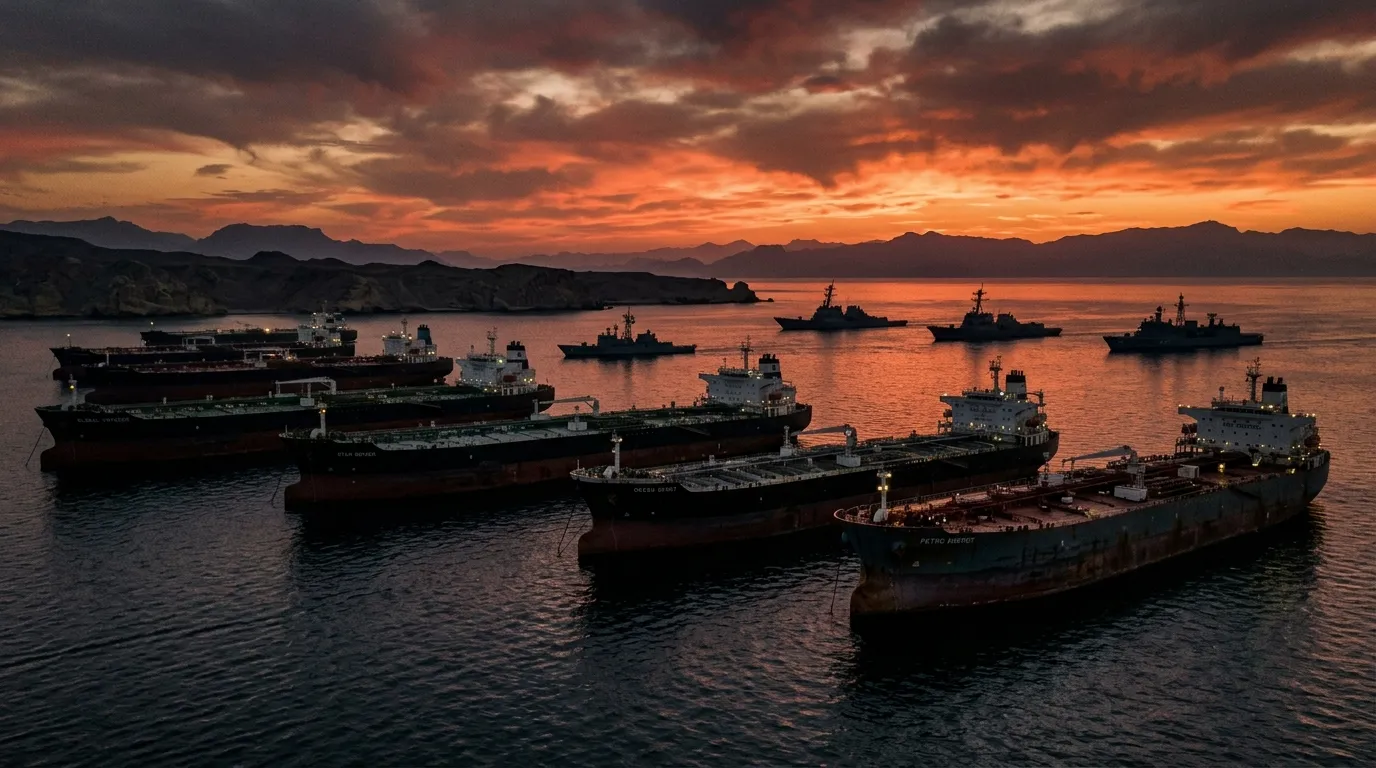
At 8 p.m. ET on Tuesday, the United States will either be one step closer to ending the six-week-old Iran war, or it will begin bombing power plants and bridges across one of the world's most strategically important nations. President Trump made that timeline explicit on Monday, repeating his threat in an expletive-laced social media post that promised Iran would be "living in Hell" if the Strait of Hormuz remains closed.
The deadline arrives as a 45-day ceasefire proposal drafted by Egyptian, Pakistani, and Turkish envoys sits on the desks of both the U.S. and Iran, with neither side willing to accept the other's terms. Oil is trading above $111 a barrel. Gas has crossed $4 a gallon nationally. And the diplomatic window to prevent a massive escalation is now measured in hours, not weeks.
The Ultimatum and What Trump Actually Said
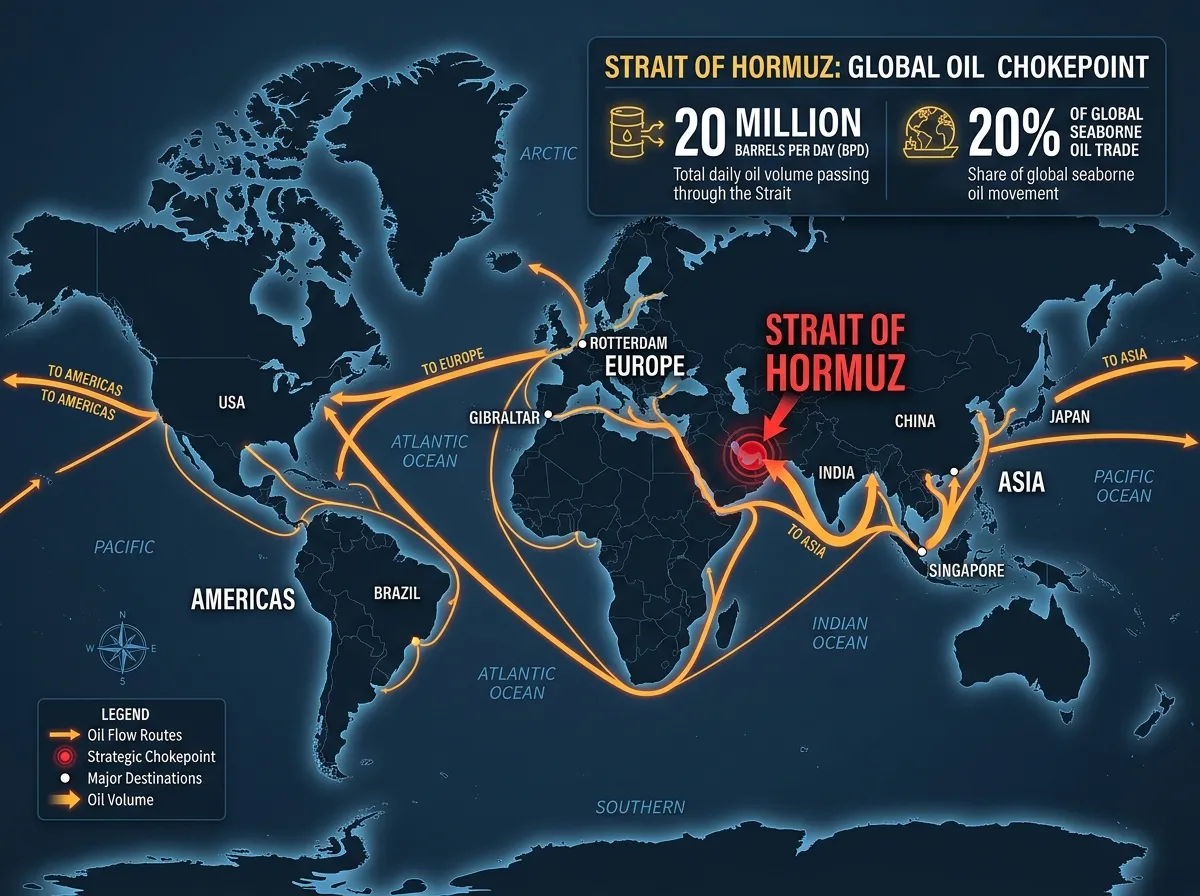
During a Monday press conference at the White House, Trump called the 45-day ceasefire framework "significant" but "not good enough," reiterating that Iran must reopen the Strait of Hormuz before any broader deal can proceed. The strait, a 21-mile-wide chokepoint between Iran and Oman, handles roughly 20 million barrels of oil per day, approximately 20% of global seaborne oil trade.
Trump's position has hardened considerably since he postponed strikes on March 23. At that point, the administration signaled openness to diplomatic channels. Now the president is threatening direct attacks on civilian infrastructure, including power generation facilities and transportation bridges, if Iran does not comply by Tuesday evening.
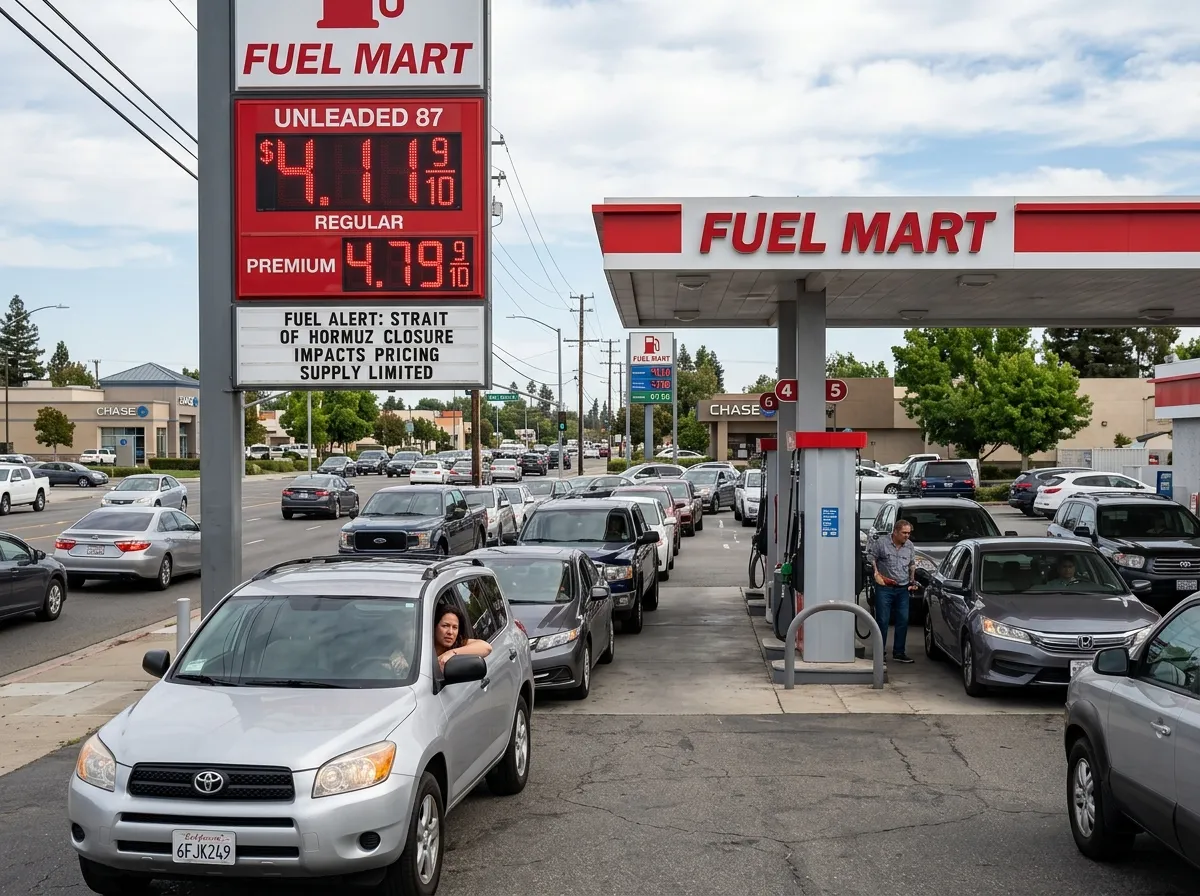
The shift reflects growing domestic pressure. Gas prices have surged from $2.98 before the war to $4.11 per gallon on Sunday, the fastest sustained price increase in modern American history. Fuel shortages are already spreading internationally, with Italy imposing jet fuel limits at multiple airports and several Asian nations beginning energy rationing.
The Ceasefire Proposal Nobody Likes
The 45-day framework, submitted Sunday to Iranian Foreign Minister Abbas Araghchi and U.S. envoy Steve Witkoff, proposes an immediate ceasefire followed by negotiations on a broader settlement within 15 to 20 days. The mediating nations (Egypt, Pakistan, and Turkey) are hoping the window provides enough time for Washington and Tehran to reach a permanent agreement.
Iran rejected the proposal almost immediately. Tehran's counteroffer demands three conditions: the lifting of Western sanctions, reparations for domestic reconstruction, and international protocols guaranteeing safe passage through the Strait of Hormuz. Iranian officials said they have "formulated a response" to U.S. demands but gave no indication it would include reopening the strait on Washington's timeline.
The gap between the two sides is not just tactical. It is structural. Iran wants a permanent end to the war with economic concessions attached. The U.S. wants the strait open first, with broader negotiations to follow. Neither framework accommodates the other, and the Tuesday deadline compresses what would normally require weeks of shuttle diplomacy into fewer than 48 hours.
How the War Got Here
The conflict began on February 28, 2026, when joint U.S.-Israeli strikes hit targets across Iran, including an operation that killed Supreme Leader Ali Khamenei. Iran responded with missile and drone attacks on U.S. military bases, Israeli territory, and Gulf state infrastructure. The Islamic Revolutionary Guard Corps then issued warnings prohibiting vessel passage through the Strait of Hormuz, effectively closing the world's most important oil transit route.
Six weeks later, the war has produced no clear military resolution. An A-10 pilot whose plane was downed in Iran was recovered Monday after ejecting over friendly territory, a dramatic rescue that dominated Trump's press conference alongside the deadline rhetoric. But the strategic picture remains frozen: the U.S. controls the air, Iran controls the strait, and the global economy is absorbing the damage.
The Economic Damage Is Already Historic
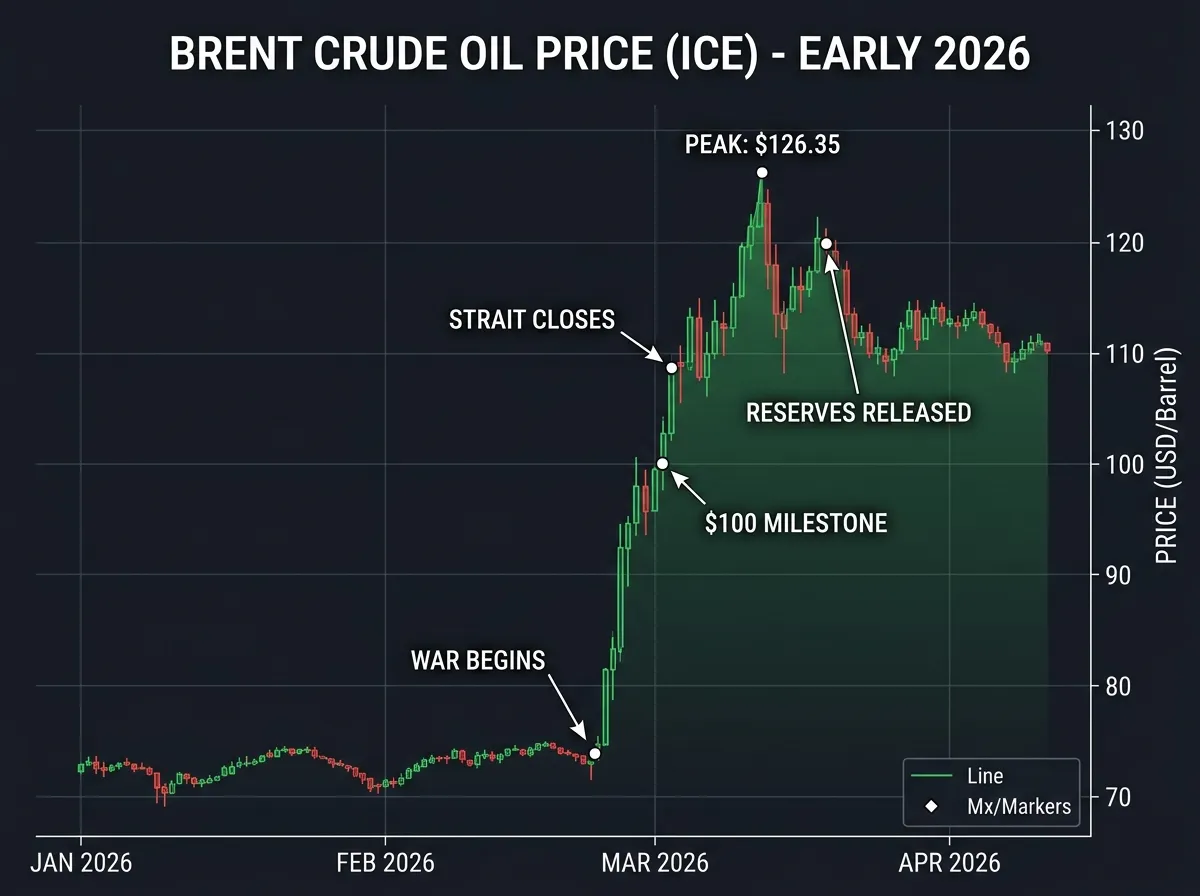
The closure of the Strait of Hormuz has become the largest disruption to global energy supply since the 1970s oil crisis. Brent crude surpassed $100 per barrel on March 8, just eight days after the war began, and peaked at $126 before settling to current levels around $110. U.S. crude futures sat at $111.96 on Monday morning, up 0.38%.
The damage extends well beyond the gas pump. Dow Jones futures fell 158 points (0.34%) Monday, with S&P 500 futures declining 0.23%. The 10-year Treasury yield ticked up to 4.356%, reflecting broader inflation anxiety. The Dallas Federal Reserve described the disruption as potentially the largest in the history of the global oil market, noting that sustained prices above $170 per barrel would trigger a stagflationary shock capable of reshaping central bank policy and the 2026 midterm elections.
The ripple effects on housing are already visible, with mortgage rates climbing as inflation expectations rise. Consumer confidence indicators have dropped to their lowest levels since early 2023, and the manufacturing sector faces input cost increases that most analysts expect to reach retail prices by summer.
Why This Is Different from Past Oil Shocks
Previous oil disruptions, from the 1973 Arab embargo to Saddam Hussein's invasion of Kuwait, involved supply reductions of 5 to 10%. The Strait of Hormuz closure removes approximately 20% of global seaborne oil from the market in a single stroke. The International Energy Agency released 400 million barrels from strategic reserves in March, but reserve drawdowns are a tourniquet, not a cure. They buy time without addressing the underlying blockage.
The speed of this crisis also sets it apart. Oil hit $100 in eight days. Gas crossed $4 in five weeks. During the 1973 embargo, comparable price increases took months to develop. The compression reflects both the scale of the disruption and the fragility of modern just-in-time energy supply chains, which carry far less buffer inventory than their 1970s predecessors.
Europe faces particular vulnerability. The continent depends heavily on Middle Eastern refinery capacity and has limited alternatives for rapid substitution. Italy's airport fuel restrictions are an early indicator of what could become broader rationing across the EU if the strait remains closed through April.
What Happens Next
Tuesday's deadline is simultaneously the most consequential and most ambiguous moment of the conflict so far. Trump has painted himself into a corner with specific, public threats against civilian infrastructure. Walking those back without a concession from Iran would undermine the administration's credibility on an issue where it has invested enormous political capital. But following through means bombing power plants in a country of 88 million people, an escalation that would draw international condemnation and risk further destabilizing the region.
Iran's calculus is equally constrained. Reopening the strait without concessions would amount to capitulation, a politically impossible move for a government already reeling from the loss of its supreme leader. Holding firm risks the destruction Trump has promised, but it also maintains Iran's only real leverage in negotiations.
The most likely outcome, according to multiple analysts who spoke to CNBC and Bloomberg on Monday, is a partial extension of the deadline accompanied by intensified back-channel negotiations. Trump called the ceasefire proposal "significant" for a reason: it provides a framework for talks even if the current terms are unacceptable. The question is whether either side can accept a compromise before 8 p.m. Tuesday, or whether the war enters a far more destructive phase.
For American consumers already paying record prices at the pump, the math is simpler. Every day the strait stays closed adds pressure to an economy that was already showing signs of strain before the first bomb fell. And the damage, unlike the geopolitical posturing, does not come with a deadline.