
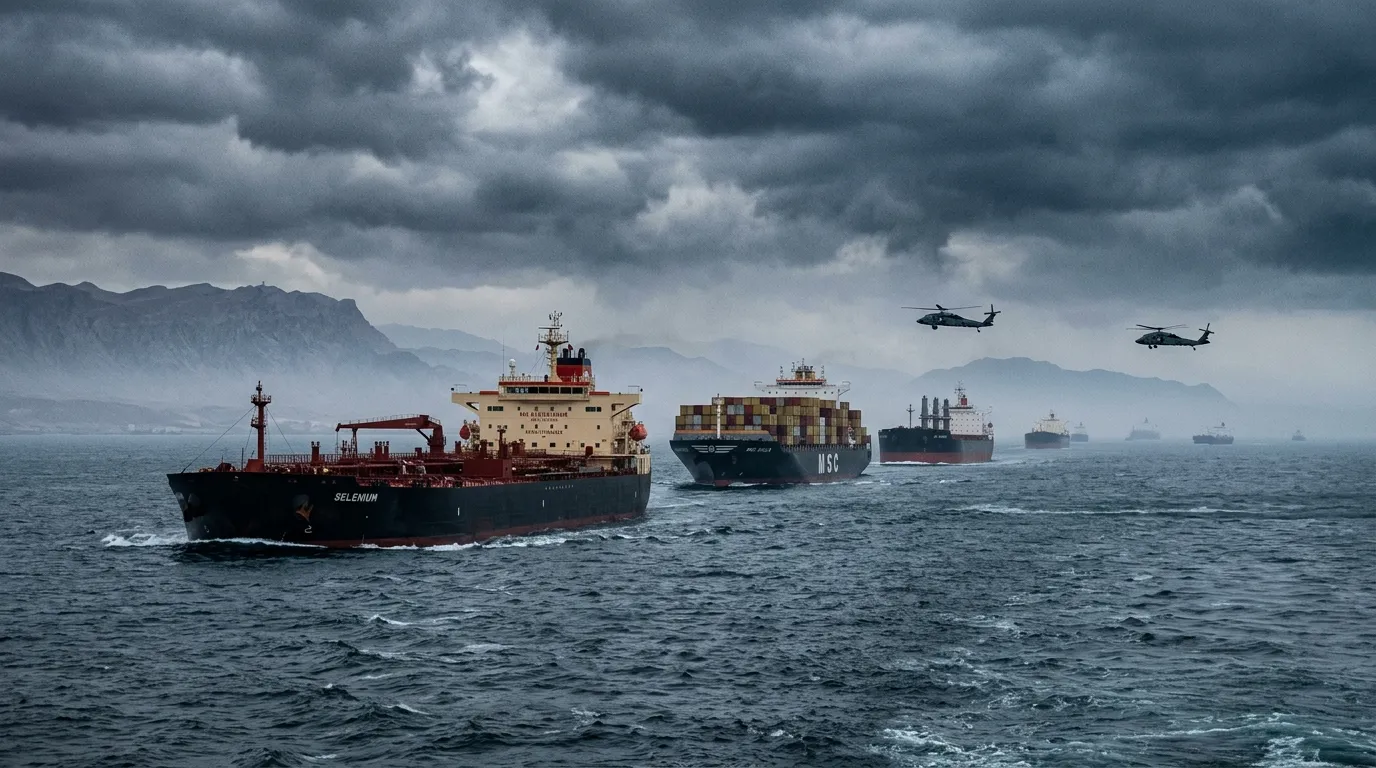
Barely an hour before his own deadline expired, President Donald Trump agreed to suspend U.S. military strikes on Iran for two weeks. In exchange, Tehran committed to the "complete, immediate, and safe opening" of the Strait of Hormuz, the 21-mile-wide chokepoint through which roughly 20% of the world's oil supply passes every day. The announcement came late Tuesday night after Pakistan brokered a back-channel agreement that pulled both sides away from what could have been the most destructive night of a 40-day conflict.
"I agree to suspend the bombing and attack of Iran for a period of two weeks," Trump wrote in a social media post shortly before 8 p.m. ET, the very deadline he had set hours earlier when he warned that "a whole civilization will die tonight, never to be brought back again." The pivot from existential threat to tentative peace happened in a compressed window that left diplomats, markets, and military planners scrambling to understand what had actually been agreed to, and what had simply been deferred.
The truce is real. But so are the gaps between what each side says it signed up for.
What Both Sides Agreed To
The core exchange is straightforward on paper. The United States and Israel halt offensive military operations against Iran for 14 days. Iran reopens the Strait of Hormuz to commercial shipping, coordinated through its armed forces, and pauses retaliatory strikes during the same window. Both sides accepted satellite surveillance of Iran's uranium stockpiles as a confidence-building measure while negotiations proceed.
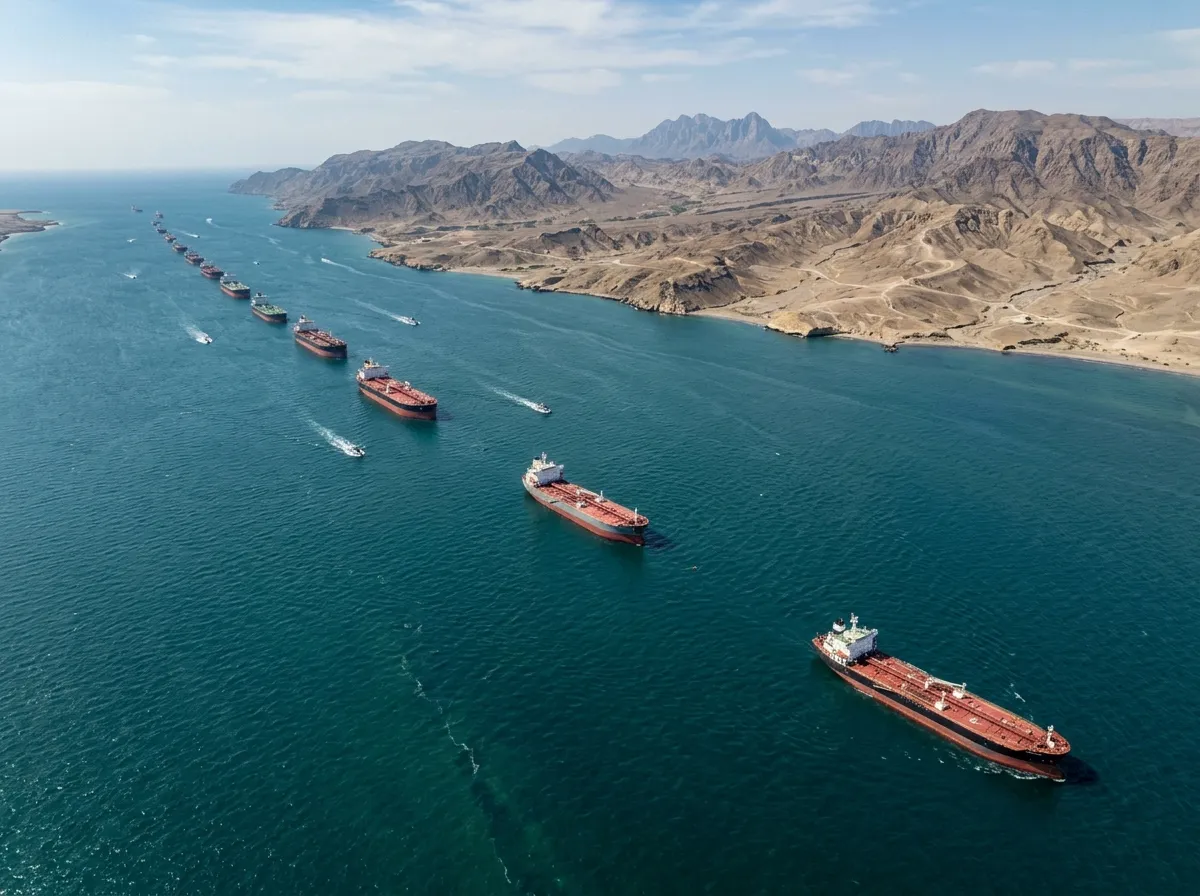
But the details reveal how narrow this agreement actually is. Safe passage through the strait will require coordination with Iran's military, meaning Tehran retains functional control over the waterway even as it reopens. Iran and Oman will charge transit fees on ships passing through, with the revenue earmarked for reconstruction of Iranian infrastructure damaged during the conflict. That's a significant concession from Washington, which effectively acknowledged that its air campaign caused damage worth compensating.
Vice President JD Vance framed the deal cautiously in remarks Tuesday night. "If the Iranians are willing in good faith to work with us, I think we can make an agreement," he said. Defense Secretary Pete Hegseth struck a different tone entirely, claiming that Iran's missile factories "have been razed to the ground, set back in historic fashion." The dissonance between those two statements captures the administration's challenge: selling the ceasefire as strength at home while keeping the diplomatic channel open abroad.
Iran's 10-Point Plan and What It Really Asks
The ceasefire text references Iran's 10-point proposal as a "workable basis" for further negotiation, a phrase that commits Washington to nothing specific but gives Tehran a diplomatic win it can broadcast domestically. The plan itself reads less like a realistic opening offer and more like a maximum-position document designed to set the terms of debate.
Among the demands: a formal U.S. commitment to non-aggression, acceptance of Iran's uranium enrichment program, lifting of all primary and secondary sanctions, the end of IAEA and UN Security Council resolutions against Iran, withdrawal of U.S. combat forces from all regional bases, full war damage compensation, release of frozen Iranian assets, and a binding UN Security Council resolution ratifying every term. The final point, controlled passage through the Strait of Hormuz coordinated with Iran's armed forces, is the only one already partially in effect.
The gap between these demands and what Washington could politically accept is enormous. Sanctions relief alone would require congressional engagement. Accepting Iran's enrichment program would contradict decades of U.S. nonproliferation policy. Withdrawing from regional bases would upend security agreements with Gulf allies. The 10-point plan is best understood not as a draft agreement but as a negotiating ceiling, a document Tehran can selectively lower expectations from while claiming concessions at every step.
What matters for the next two weeks is whether both sides treat the plan as a starting point or a precondition. Early signals suggest the former: U.S. special envoy Steve Witkoff, Jared Kushner, and Vice President Vance are all expected in Islamabad on Friday for the first formal face-to-face talks since the conflict began.
The Pope, Pakistan, and the Pressure That Forced a Deal
This ceasefire didn't emerge from goodwill. It came from converging pressure on both sides that made continued escalation politically unsustainable.
On Trump's flank, the sharpest criticism came from an unexpected direction. Pope Leo XIV, the first American pope, addressed reporters outside his residence at Castel Gandolfo on Tuesday and called Trump's threat that "a whole civilization will die tonight" to be "truly unacceptable." The pope urged people to "think in their hearts about the many innocent people, so many children, so many elderly, completely innocent, who would also become victims of this escalation." For a president who carried Catholic voters in 2024, the rebuke from the Vatican carried political weight that generic diplomatic criticism does not.
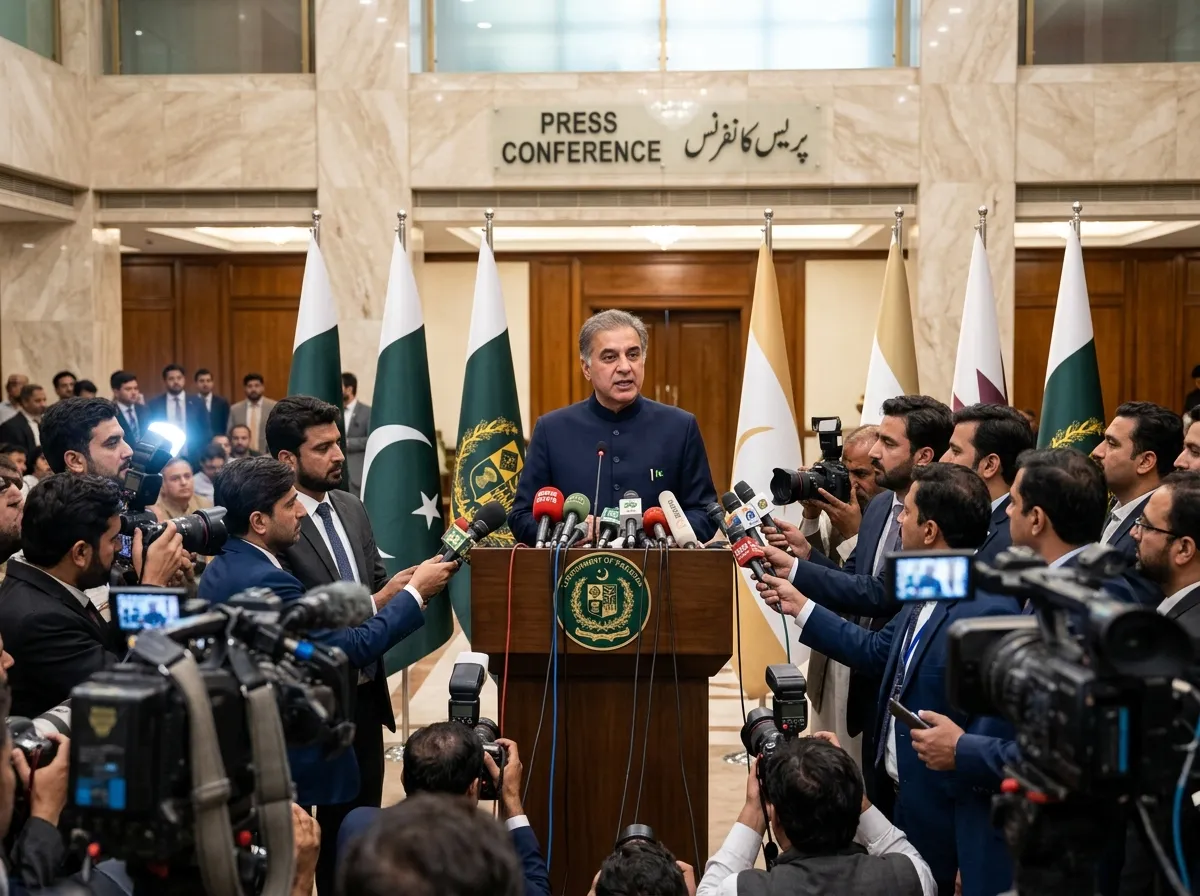
Pakistan's role proved equally critical. Prime Minister Shahbaz Sharif positioned Islamabad as a neutral broker with credibility in Tehran, something no Western capital could claim after 40 days of strikes. Pakistan shares a 560-mile border with Iran and has economic and security reasons to prevent the conflict from expanding. The invitation to host Friday talks in Islamabad gives Pakistan a diplomatic profile it hasn't enjoyed since the early stages of the Afghanistan withdrawal negotiations.
Meanwhile, the economic pain of a closed Strait of Hormuz was compounding daily. Gas prices in the U.S. had already hit levels not seen since the 2022 spike, and the EIA had just raised its forecast to a $4.30-per-gallon peak this month. For an administration heading into midterm positioning, every week of $4+ gas was a political liability that no amount of "mission accomplished" rhetoric could offset.
Markets Exhale, but the Math Is Fragile
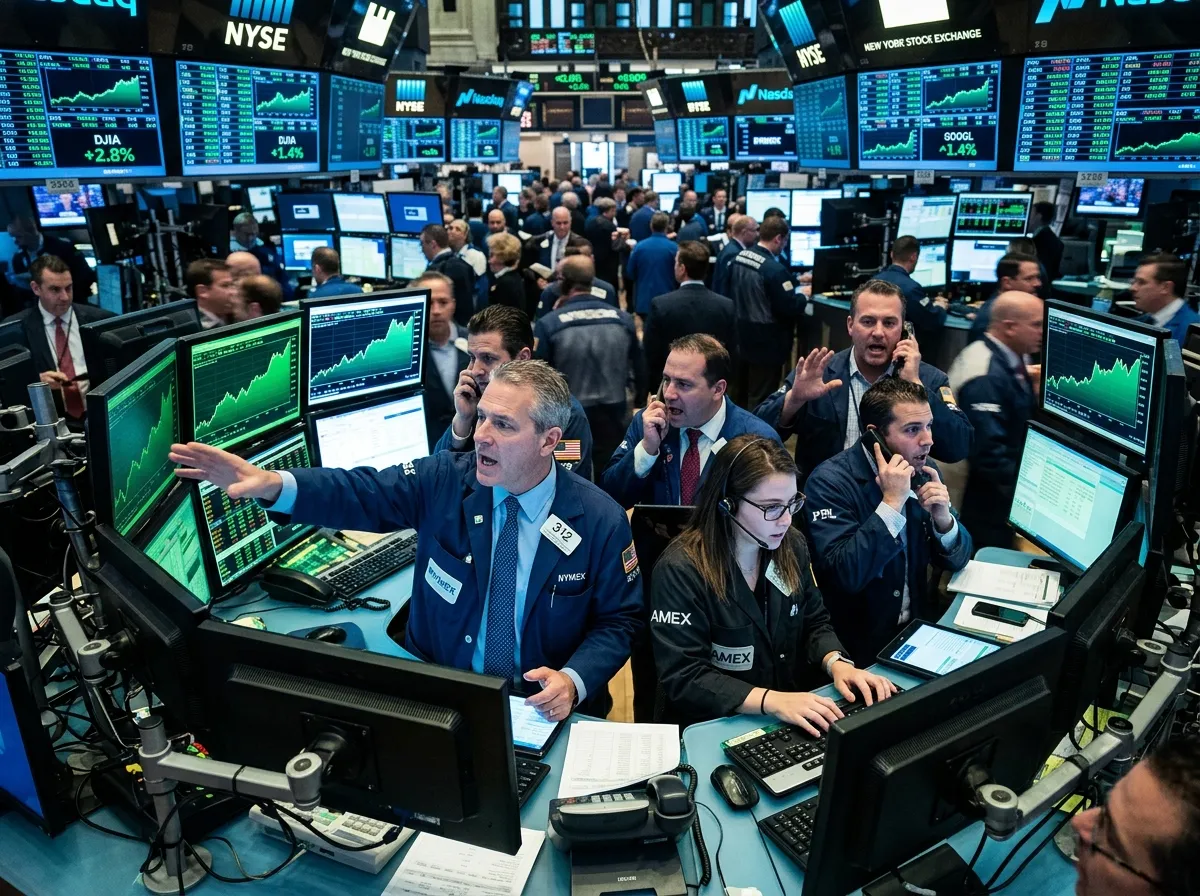
Oil prices plunged more than 17% in the hours following the ceasefire announcement, the sharpest single-session drop since the early days of the pandemic. Asian stock markets surged in early Wednesday trading, and shipping companies began repositioning tankers toward the strait for the first time in weeks.
The relief is understandable. The Strait of Hormuz handles roughly 17 million barrels of oil per day, and its closure had created a supply squeeze that rippled through energy markets worldwide. But traders are pricing in a best-case scenario that the ceasefire's own terms don't guarantee. The two-week window is short. The demands on the table are vast. And the last time Trump offered Iran a pause, Tehran publicly denied that any talks had taken place.
The EIA's forecast, released before the ceasefire, projected gas prices peaking at $4.30 this month. That number may come down slightly if shipping resumes smoothly, but it assumed a gradual reopening, not the messy, military-coordinated transit system the deal actually describes. Analysts at Bloomberg noted that "everyone is claiming victory, and there are still continued violations" of the ceasefire terms, suggesting the market's enthusiasm may be running ahead of the geopolitical reality.
What This Really Means
The ceasefire is a genuine achievement, and dismissing it would be cynical. Forty days of strikes caused significant destruction on both sides, and the threat of a full-scale attack on Iranian civilian infrastructure was not rhetorical. The fact that both sides stepped back from that edge matters.
But this is a pause, not a resolution. The core disputes, Iran's nuclear program, U.S. sanctions, regional military presence, the status of Hezbollah and Lebanon, remain exactly where they were before the first missile flew. Netanyahu's office moved within hours to declare that the ceasefire "does not include Lebanon," directly contradicting Pakistan's claim that the agreement covered all hostilities. That disagreement alone could unravel the truce before the two weeks expire.
The Islamabad talks on Friday represent the first real test. If Witkoff and Vance arrive with a willingness to discuss sanctions relief in exchange for verifiable enrichment limits, there's a narrow path toward a durable agreement. If they arrive with a victory-lap posture and a list of preconditions, Iran will pocket the two-week pause, rebuild what it can, and the cycle starts again.
For American consumers, the practical question is simpler: will gas prices actually come down? The answer depends entirely on whether ships can move through the strait safely and consistently over the next 14 days. The deal says they can. The details say it's complicated. The next two weeks will tell us which version of this ceasefire is real.
Sources
- US-Iran ceasefire deal: What are the terms, and what's next? - Al Jazeera
- Trump says US 'will work closely' with Iran as fragile two-week truce takes effect - Euronews
- Pope Leo denounces Trump's threat to destroy Iran's 'whole civilization' - The Washington Post
- Trump, Iran agree to two-week ceasefire after threat of massive attacks - NBC News