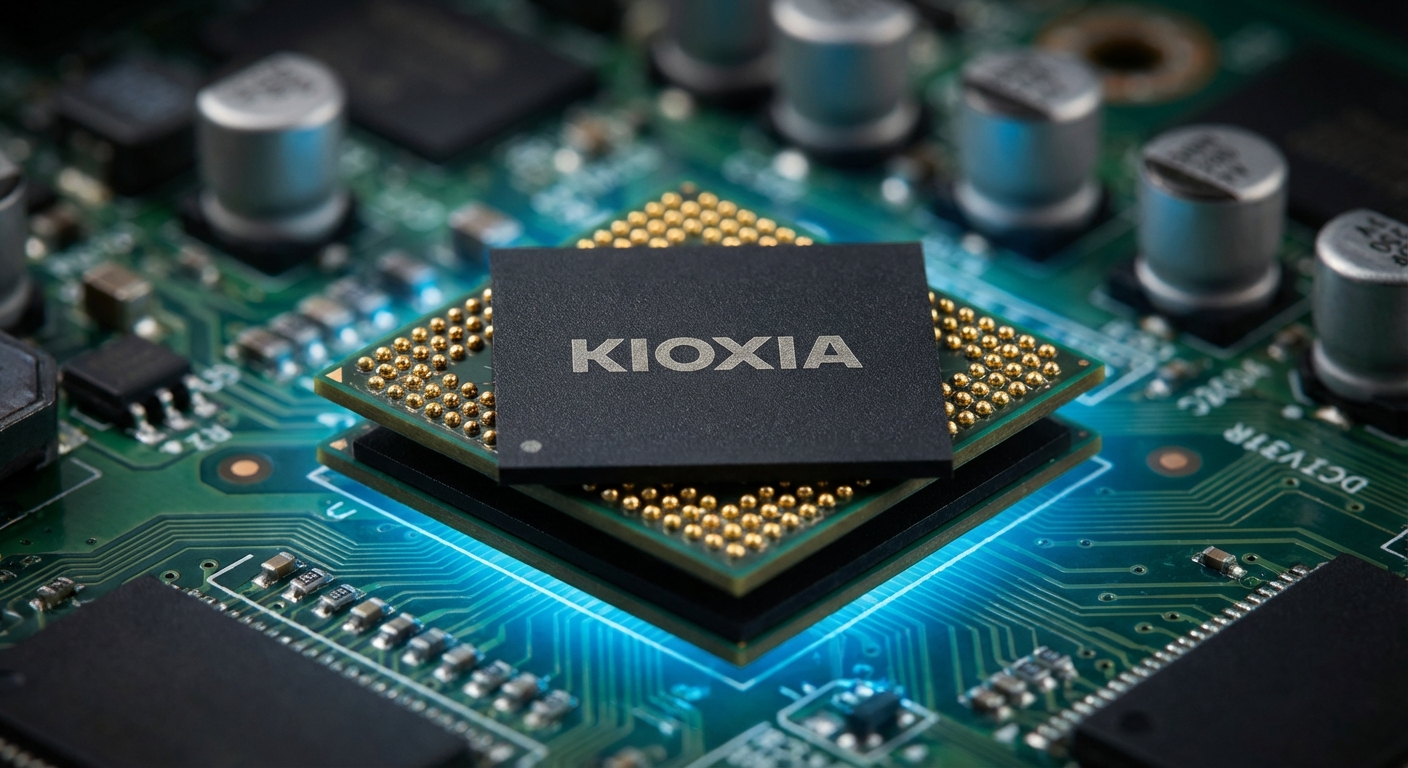
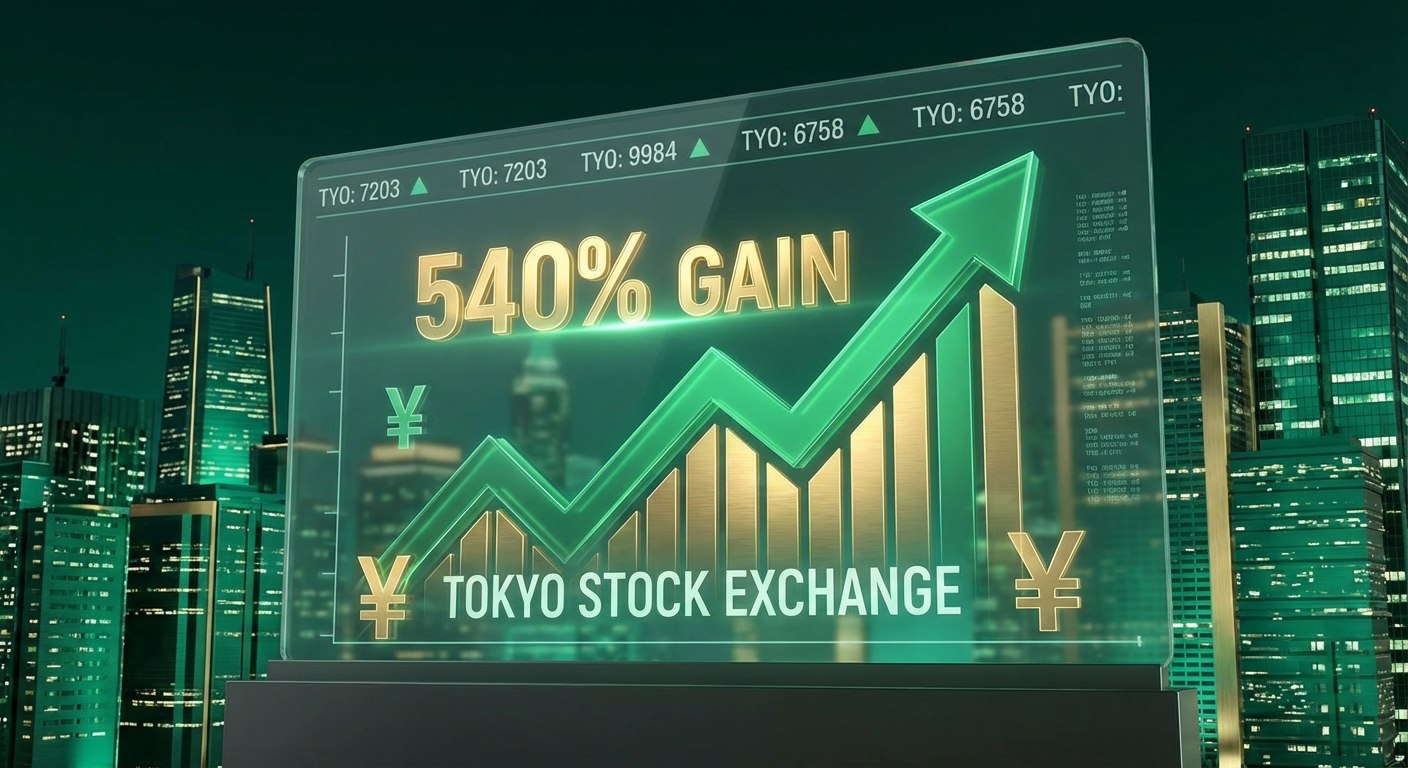
If you’d invested $10,000 in Kioxia Holdings when it debuted on the Tokyo Stock Exchange last December, you’d have roughly $64,000 today. That 540% return makes the Japanese memory chipmaker the best-performing stock in the MSCI World Index for 2025, beating every single one of the thousands of companies tracked by the global benchmark.
Not NVIDIA. Not the AI darlings that have dominated tech headlines for two years. A company that makes NAND flash memory chips, the same basic technology that’s been in your smartphone and laptop for over a decade.
The Kioxia story is really two stories. One is about a well-run company that positioned itself well for a market shift. The other, more interesting story is about AI’s hidden infrastructure crisis, a bottleneck that almost nobody was talking about a year ago but that has become one of the defining constraints of the current tech boom.
The Memory Crunch Nobody Expected
Here’s what the AI hype cycle missed: all those language models and image generators and autonomous systems don’t just need processors to run computations. They need memory. Lots of it. And not just any memory.
Training a frontier AI model involves feeding it trillions of data points, text scraped from the internet, images, code, scientific papers, everything that might help the model learn patterns about the world. All that data has to be stored somewhere, and it has to be accessible quickly enough that training doesn’t take forever. That’s where NAND flash comes in.
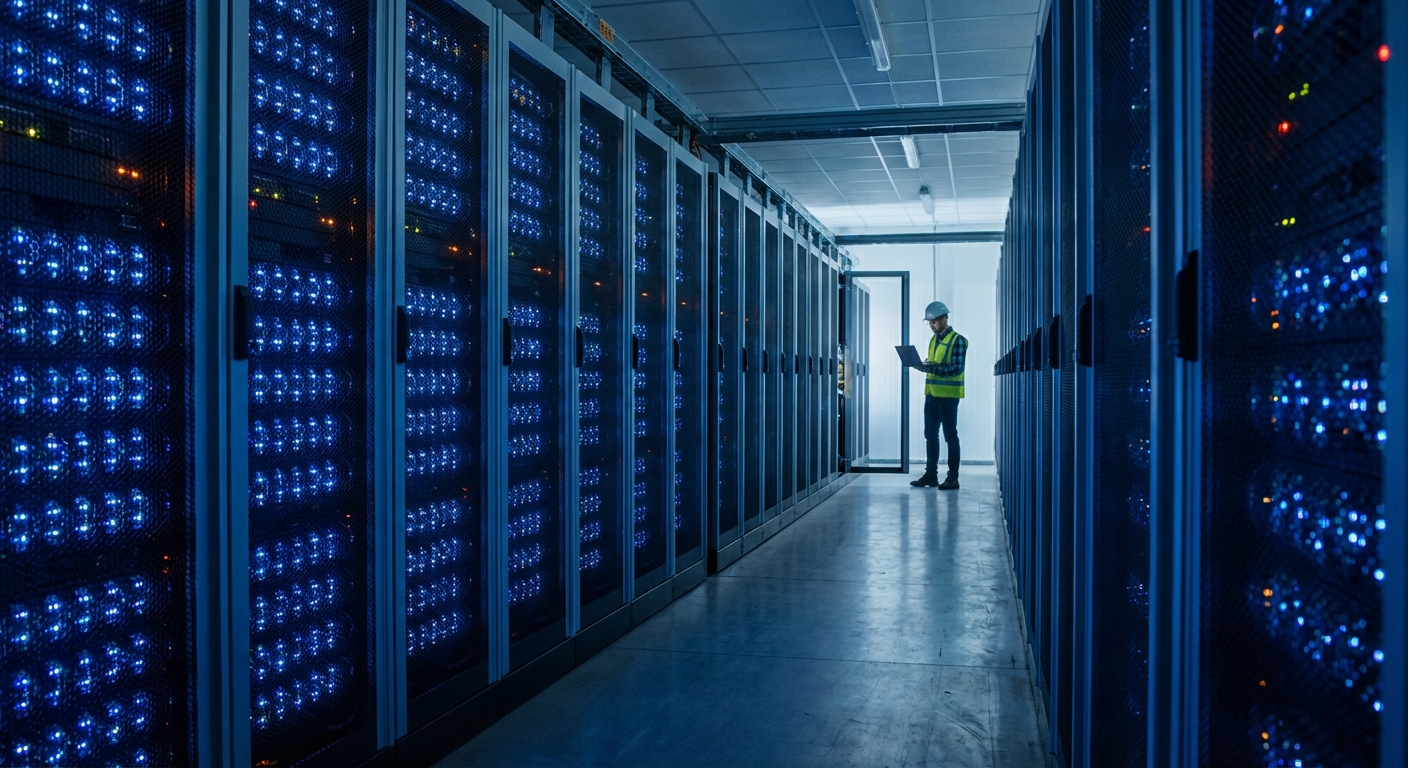
Kioxia, which counts Apple and Microsoft among its major clients, specializes in exactly this kind of storage. The company was already a significant player in the memory market before the AI boom, but the explosion in demand for AI training capacity transformed its business prospects almost overnight. When every major tech company in the world suddenly needs to build massive data centers, and every one of those data centers needs enormous amounts of high-speed storage, a company like Kioxia finds itself holding something everyone desperately wants.
By mid-2025, the situation had become acute enough that major tech firms were publicly warning about a memory supply crunch. The demand wasn’t theoretical; it was immediate and growing faster than manufacturers could add capacity. For investors, that supply-demand imbalance meant one thing: rising prices and rising profits for anyone who could deliver the goods.
The Numbers Behind the Rally
Kioxia’s market capitalization now stands at approximately ¥5.7 trillion, or about $36 billion. For context, that makes it worth more than many well-established tech companies that have been public for decades. And the company only went public in December 2024.
The Japanese stock market as a whole has had a strong year, with the Topix index rising 22% and closing at 3,408.97, finally surpassing levels last seen during Japan’s late-1980s bubble economy. The Nikkei 225 performed even better, gaining 26% to close at 50,339.48, its second consecutive record year-end close.
But Kioxia didn’t just participate in the broader rally; it dominated it. A 540% gain doesn’t happen just because the market is up. It happens because something fundamental has changed about the business, or at least about how investors perceive the business.
In Kioxia’s case, what changed is that AI made memory chips suddenly, urgently important in a way they hadn’t been before. When you’re a commodity business, even a well-run commodity business, your growth is constrained by overall market demand. But when demand suddenly spikes far beyond anyone’s expectations, and supply can’t catch up immediately, you stop being a commodity business and start being a critical supplier that everyone needs to stay on good terms with.
The Volatility Warning
Before you mortgage your house to buy Kioxia stock, some context is warranted. A 540% gain also means 540% more room to fall, and the stock has shown it can move dramatically in both directions.
In November, Kioxia shares plummeted 23% in a single day after quarterly earnings disappointed investors’ sky-high expectations. The results weren’t bad by any normal standard; they just weren’t as extraordinary as a market that had priced in perfection was hoping for. When a stock is trading on future potential rather than current performance, any hint that the future might be slightly less bright than expected can trigger significant corrections.
This volatility reflects a broader uncertainty in the AI sector. Are we witnessing the early stages of a technological transformation that will reshape the economy for decades? Or are we in the middle of a speculative bubble where investor enthusiasm has far outpaced the actual commercial opportunity? The honest answer is that nobody knows for sure, and anyone who claims certainty is probably selling something.
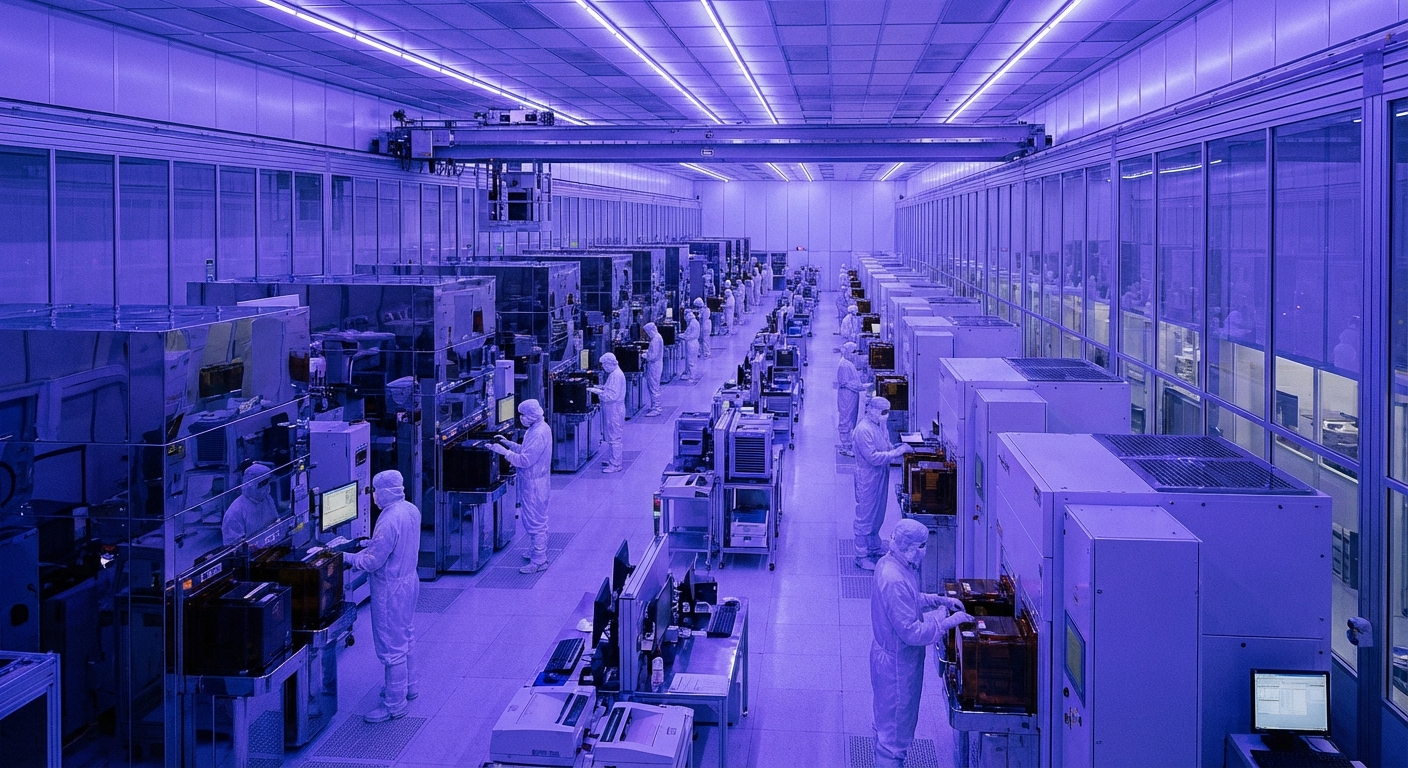
What analysts do seem to agree on is that the fundamental supply-demand dynamics favor memory makers for at least the near term. Even if data center investment slows somewhat in 2026, the market remains “heavily undersupplied,” as one strategist put it. Building new manufacturing capacity for memory chips takes years, which means today’s shortage won’t be resolved quickly even if demand plateaus.
The Bigger Picture
Kioxia’s performance is part of a larger story about how AI is reshaping investment flows across the tech sector. The companies that have benefited most from the AI boom in 2025 aren’t necessarily the ones building AI; they’re the ones building things that AI needs to function.
Consider the other top performers in AI-adjacent sectors this year. Lumentum, which makes optical components for data centers, saw its shares more than quadruple. Celestica, Western Digital, Seagate, and Micron all more than tripled. These aren’t household names in AI discussions, but they’re essential links in the chain that makes AI possible.
This pattern suggests something important about how AI’s economic impact will distribute. The winners won’t just be the companies with the most advanced models or the cleverest algorithms. They’ll be the companies, often unsexy companies making physical things, that control bottlenecks in AI’s supply chain.
Memory is one such bottleneck. Power is another, as we’ve seen with the rush to secure electricity capacity for data centers. Chips are yet another, which explains why everyone from SoftBank to major cloud providers is racing to secure manufacturing capacity. In each case, the companies that can deliver what AI needs are finding themselves in unexpectedly powerful positions.
What Comes Next
Looking ahead to 2026, the outlook for Kioxia and similar companies will depend heavily on whether AI investment continues at its current pace. There are reasons for both optimism and caution.
On the optimistic side, the structural demand for AI capabilities shows no signs of abating. Every major tech company has staked its future on AI. Governments around the world are pouring money into AI research and infrastructure. Even skeptics who question whether current AI systems live up to the hype generally acknowledge that the technology will continue improving and finding new applications.
On the cautious side, the sheer amount of money flowing into AI has raised legitimate questions about whether the sector is overheating. When startups can raise $2 billion seed rounds before shipping a product, as happened multiple times this year, it’s worth asking whether valuations have disconnected from reality. If AI investment pulls back significantly, companies like Kioxia that have been riding the wave could face painful adjustments.
The Bottom Line
Kioxia’s 540% gain in 2025 is one of those market events that will be studied and debated for years. Was it a rational repricing based on genuine changes in the company’s prospects? Or was it speculative excess driven by AI mania? As with most things in markets, the truth probably contains elements of both.
What’s undeniable is that Kioxia’s success reveals something important about the current technology moment. AI isn’t just a software revolution; it’s a hardware revolution too. The companies building the physical infrastructure that AI depends on, the memory, the chips, the data centers, the power plants, are positioning themselves as essential players in whatever comes next.
For investors, the lesson might be to look beyond the obvious AI winners when thinking about how to participate in the boom. For everyone else, the lesson is simpler: the next time someone talks about AI transforming the world, remember that transformation requires a lot of memory chips. And right now, there aren’t nearly enough of them.
The Japanese memory maker that nobody was talking about a year ago just had the best year in global markets. In the AI age, the unsexy infrastructure players might be the ones who laugh last.
Sources: Bloomberg, Japan Times, CNBC, Cryptopolitan