Dash Hartwell has spent 25 years asking one question: what actually works? With dual science degrees (B.S. Computer Science, B.S. Computer Engineering), a law degree, and a quarter-century of hands-on fitness training, Dash brings an athlete's pragmatism and an engineer's skepticism to health journalism. Every claim gets traced to peer-reviewed research; every protocol gets tested before recommendation. When not dissecting the latest longevity study or metabolic health data, Dash is skiing, sailing, or walking the beach with two very energetic dogs. Evidence over marketing. Results over hype.
A new York University meta-analysis pools data from nearly three million adults and puts hard numbers on how sitting, sleep, and exercise shape dementia risk decades before symptoms arrive.
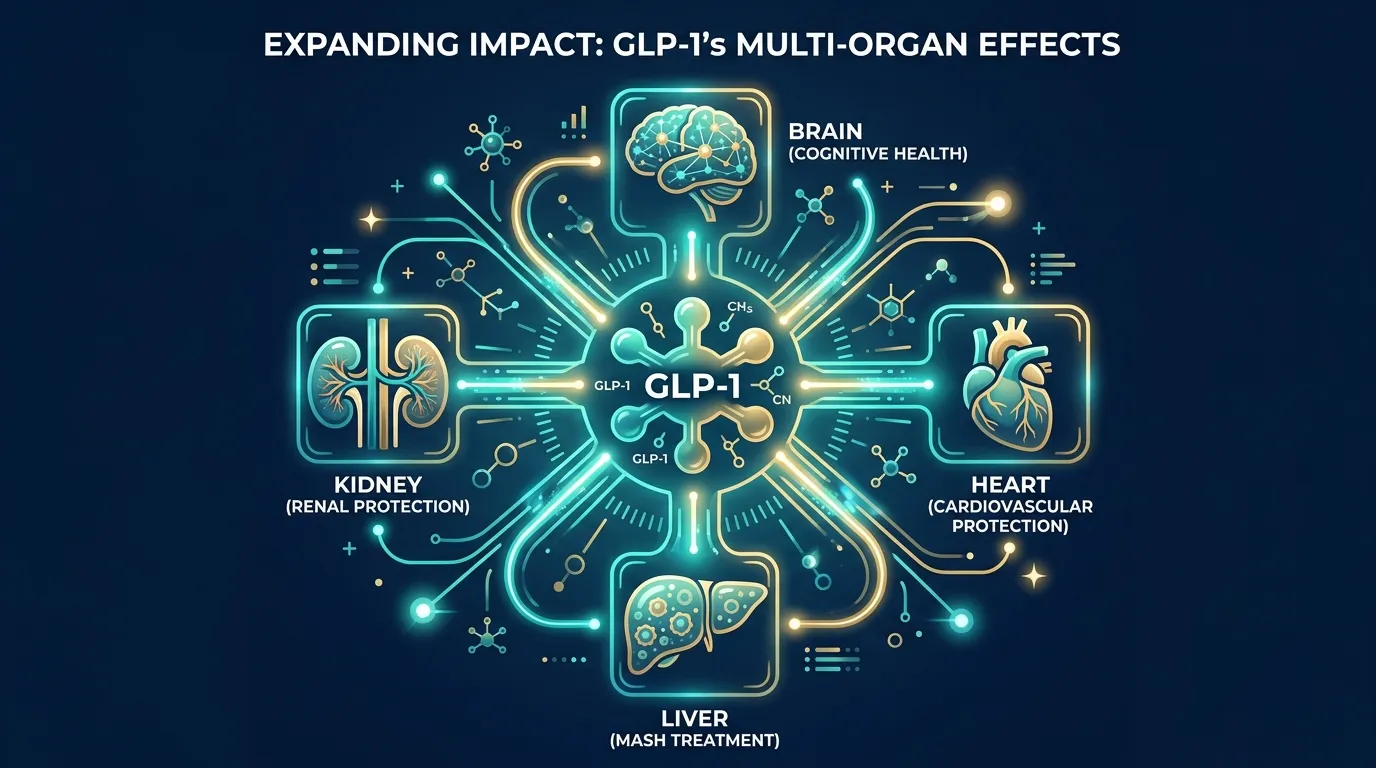
From cutting dementia risk to reducing opioid addiction, a wave of 2025-2026 studies reveals that drugs like Ozempic and Wegovy may be the most versatile medications in a generation.
Stanford and CU Boulder researchers found a compound called pTOS that suppresses appetite by acting on the brain, not the stomach, and humans already produce it naturally.
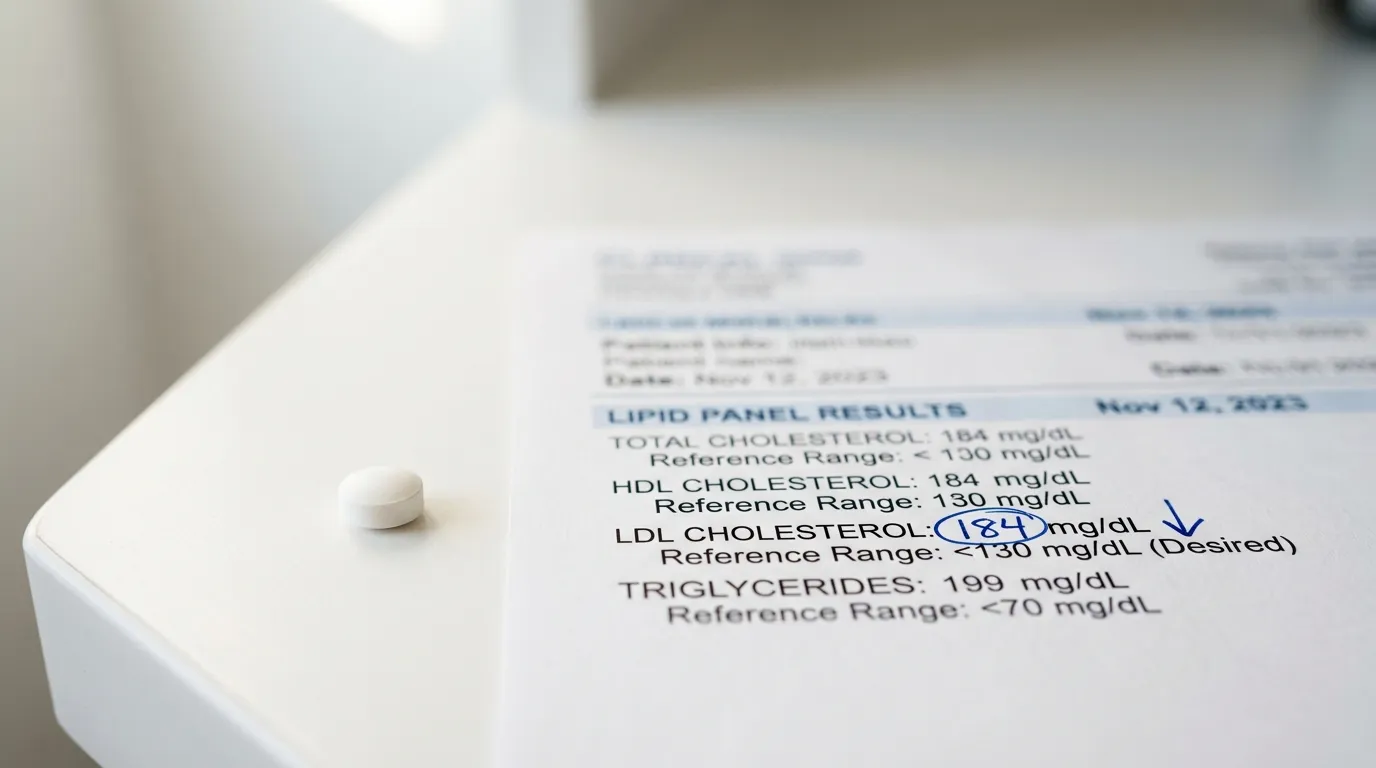
Merck's enlicitide, the first oral PCSK9 inhibitor, slashed LDL cholesterol as effectively as injections in a 2,909-person trial. The pill could solve the biggest barrier keeping millions from powerful cholesterol-lowering therapy.
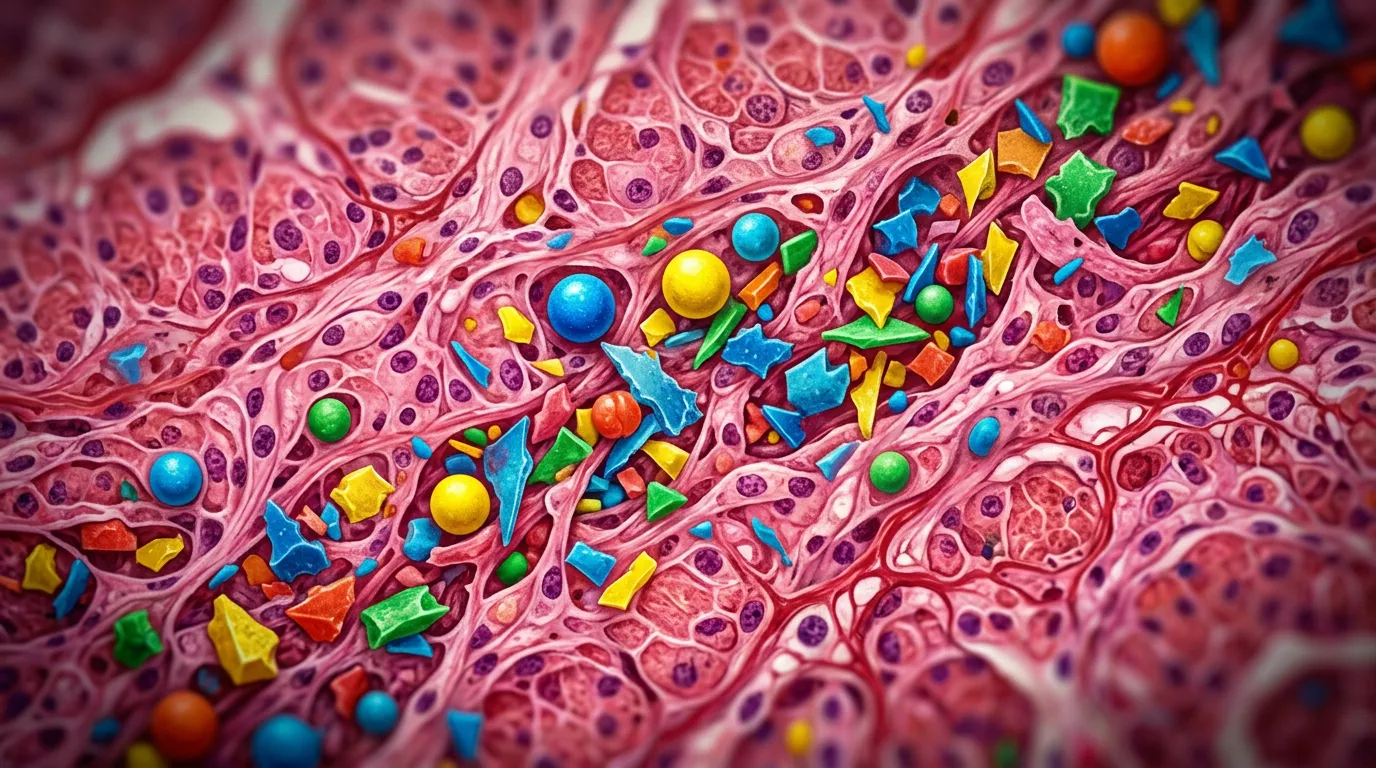
A new study found plastic particles in nearly all prostate tumors examined, with cancerous tissue containing 2.5 times more plastic than healthy tissue.
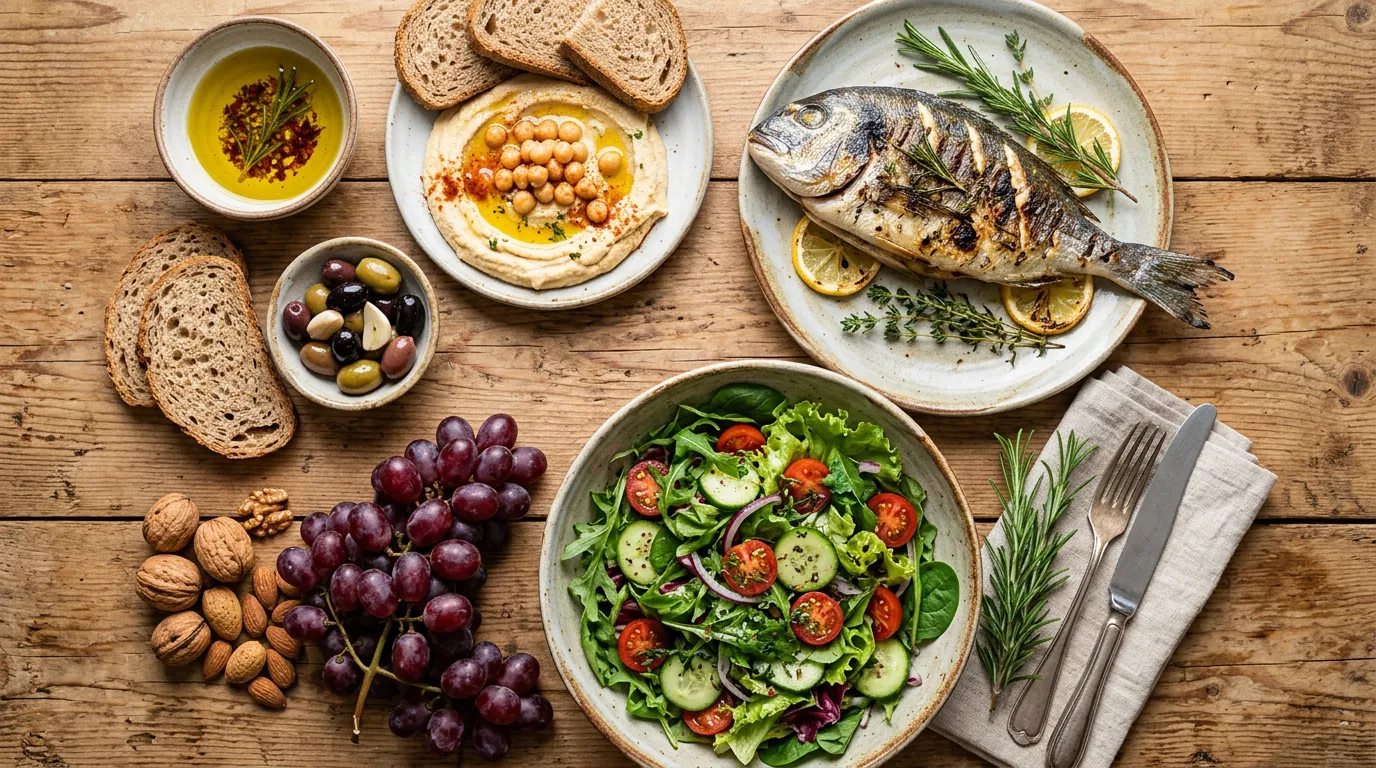
A 21-year study of 105,000 women found that closely following the Mediterranean diet lowered overall stroke risk by 18%, with hemorrhagic stroke risk dropping 25%.
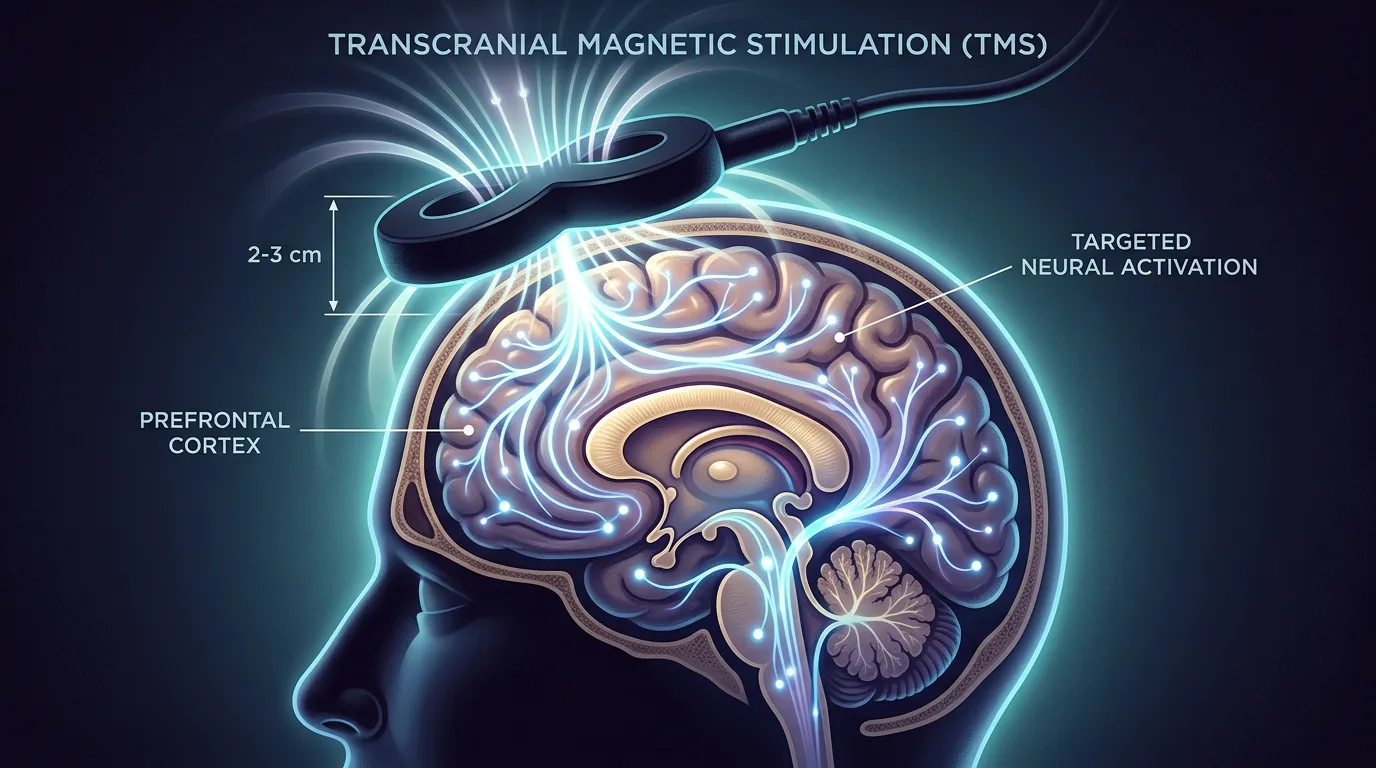
A UCLA study finds that five days of intensive TMS may relieve depression symptoms as effectively as the standard six-week protocol, opening doors for patients who can't commit to weeks of treatment.
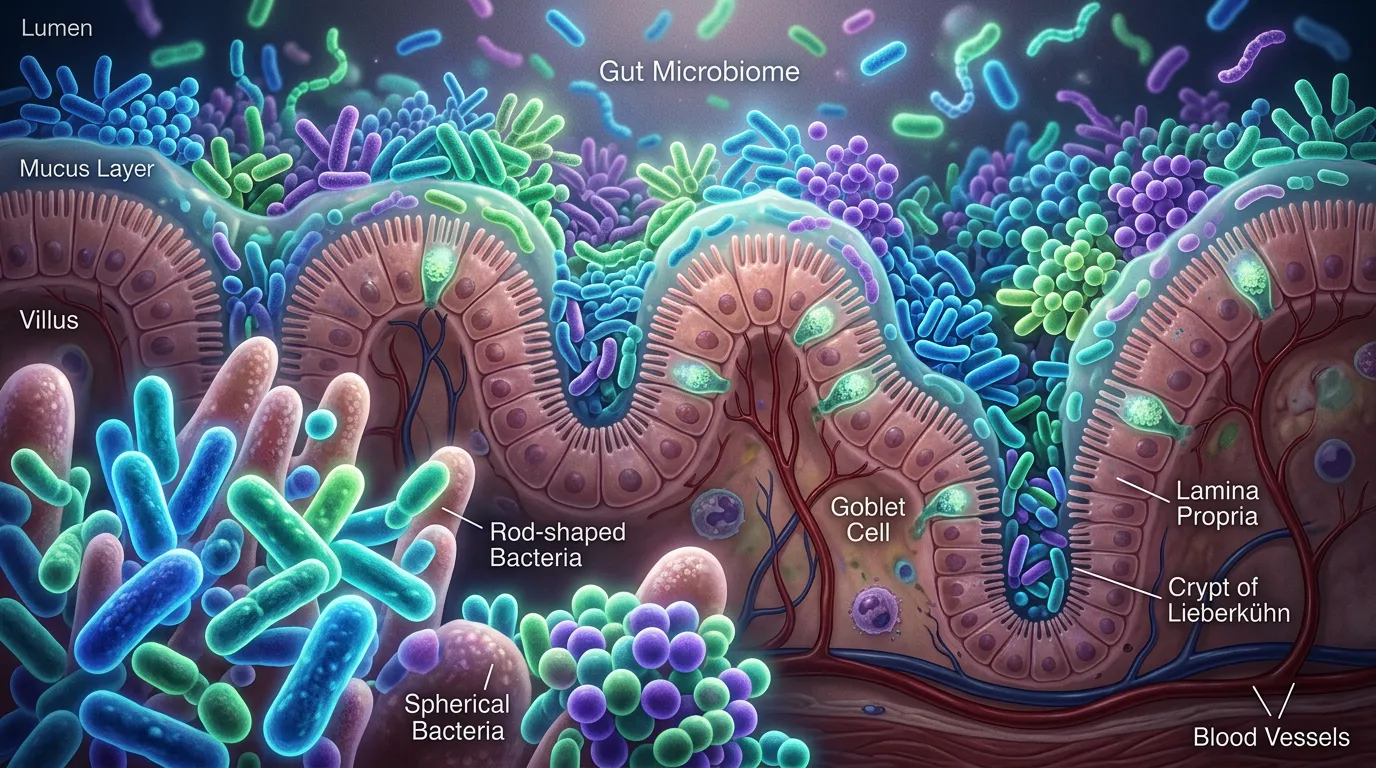
A global study of 11,000+ people across 39 countries found that a little-known group of gut bacteria called CAG-170 appears consistently in healthy individuals.
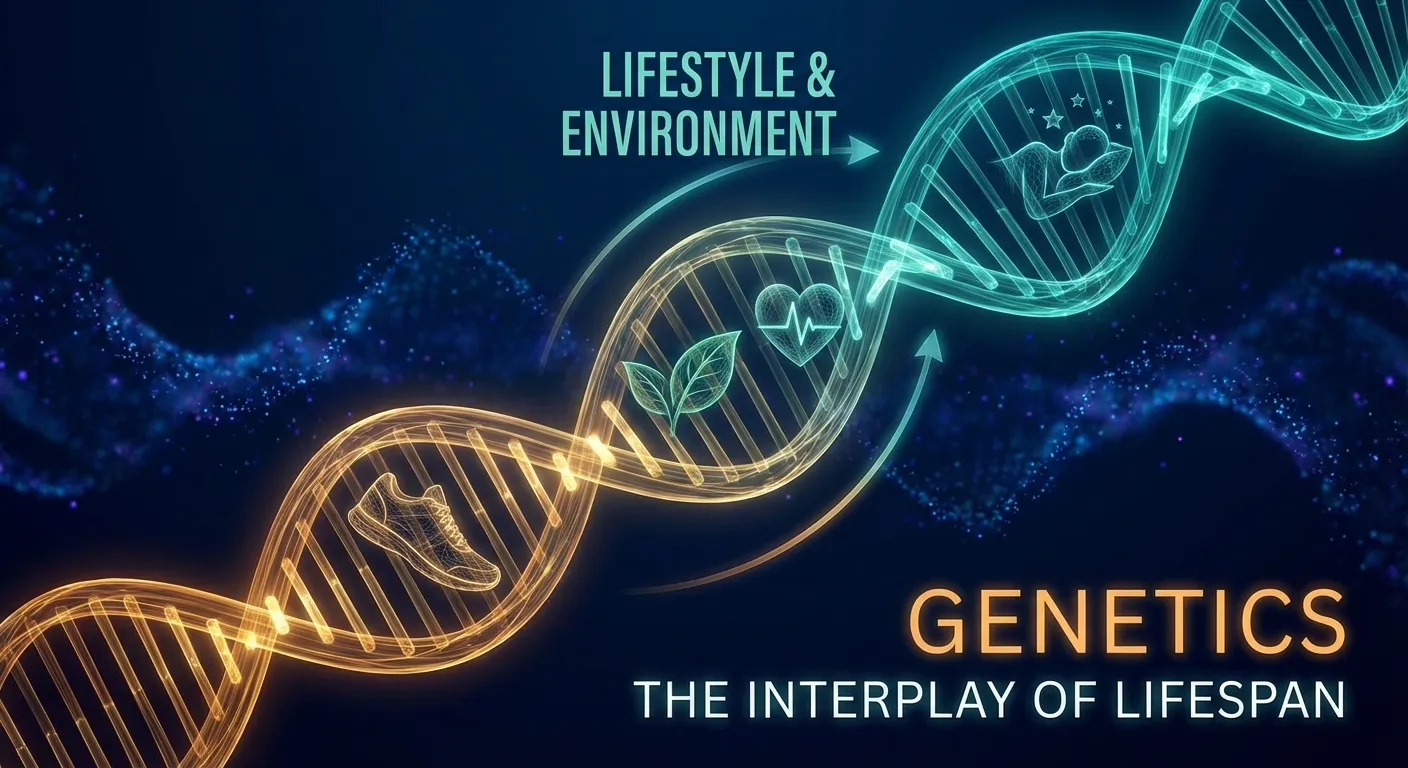
A landmark Science study upends decades of research, finding genetics account for over half of lifespan variation once accidental deaths are separated from biological aging.
A 30-year JACC study of 198,473 adults found both low-carb and low-fat diets reduce heart disease risk, but only when built on whole foods. Unhealthy versions of either diet increase risk.


 Health