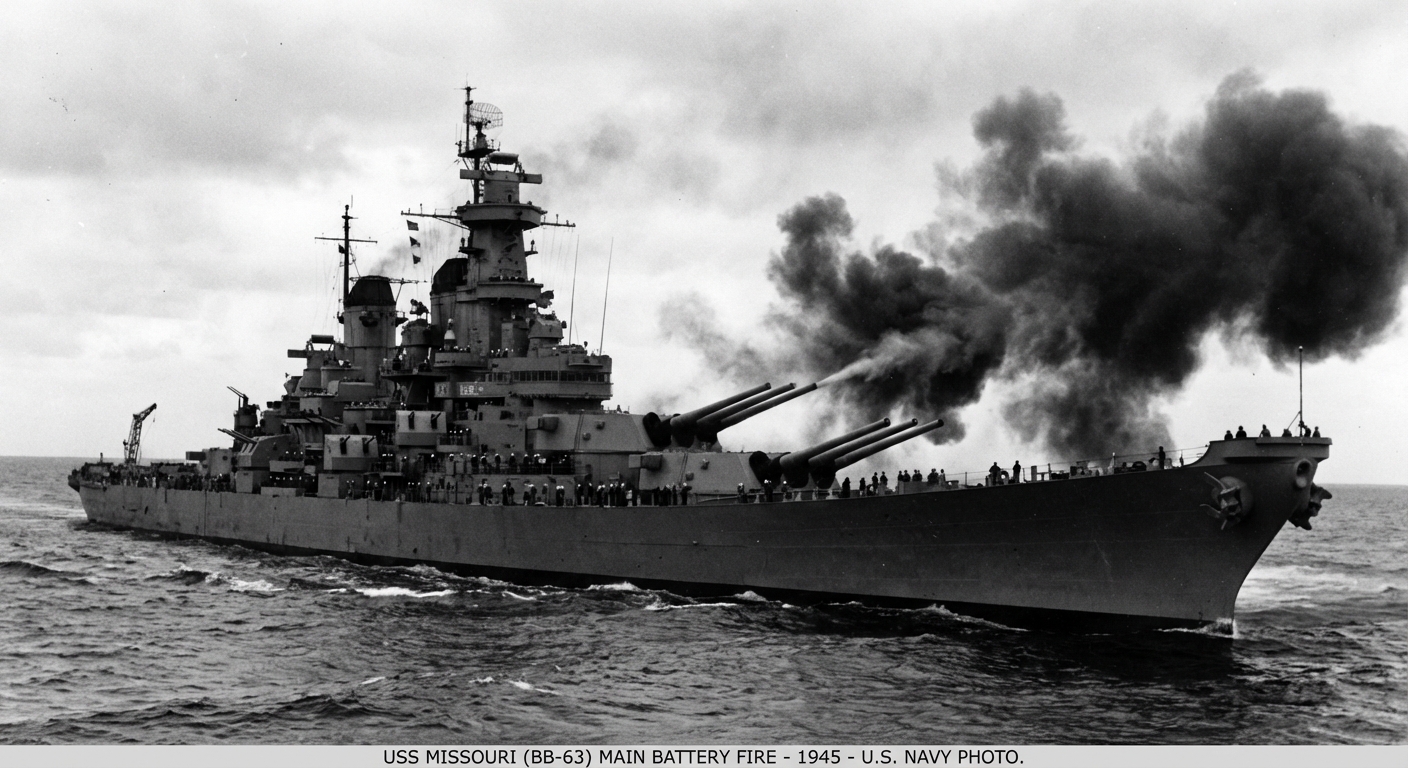
The U.S. Navy is getting battleships again. For the first time since the USS Missouri rolled out of the Brooklyn Navy Yard in 1944, America is planning to build warships that officially carry the battleship designation, and this time, they’re named after a sitting president.
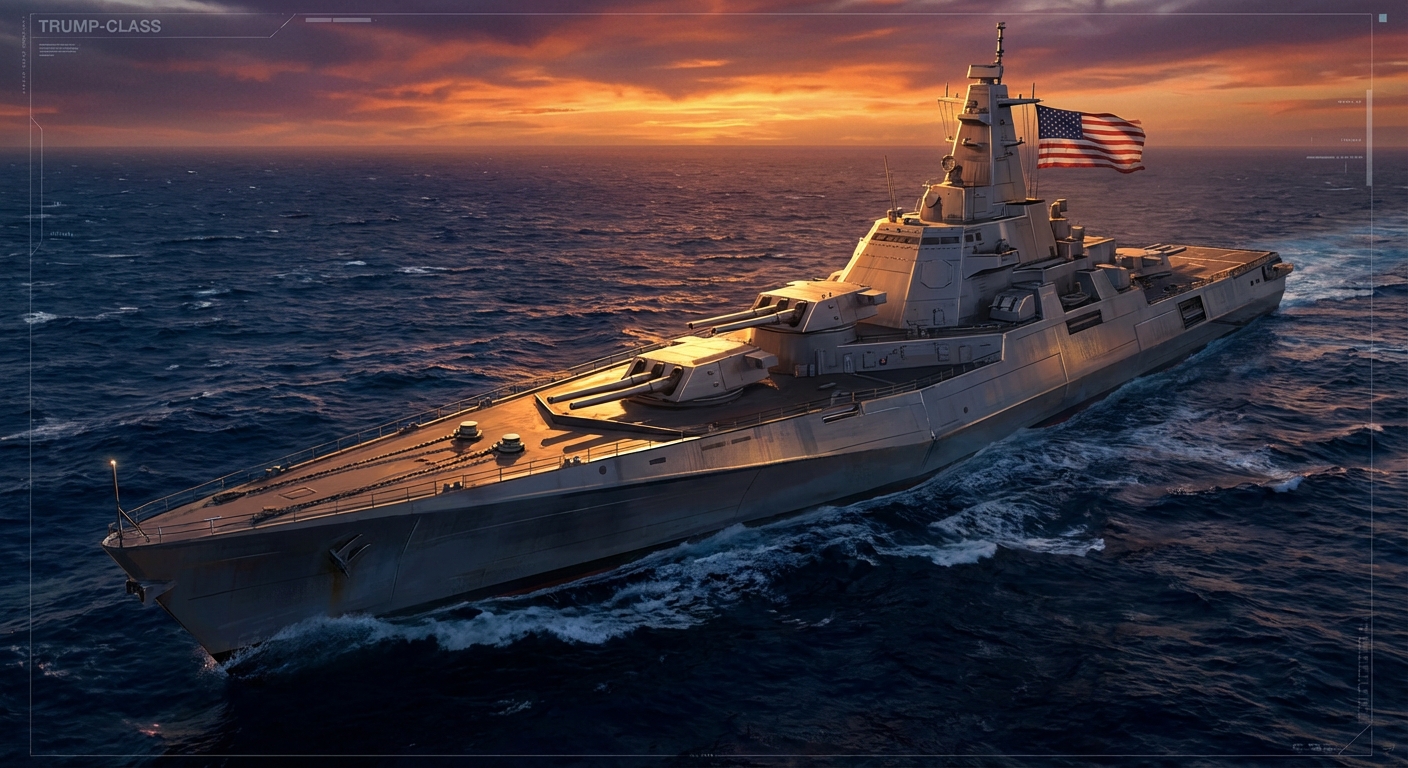
President Donald Trump announced the new “Trump-class” battleship program Monday at Mar-a-Lago, flanked by Defense Secretary Pete Hegseth and Navy Secretary John Phelan. The lead ship, USS Defiant (BBG-1), will be the largest American surface combatant built in 80 years, armed with technology that sounds pulled from science fiction: hypersonic missiles, nuclear cruise missiles, electromagnetic rail guns, and high-powered lasers.
“This will be the most lethal warship ever built,” Phelan declared, according to a U.S. Navy fact sheet released alongside the announcement. Whether America’s struggling shipbuilding industry can actually deliver it is another question entirely.
What We Know About the Trump Class
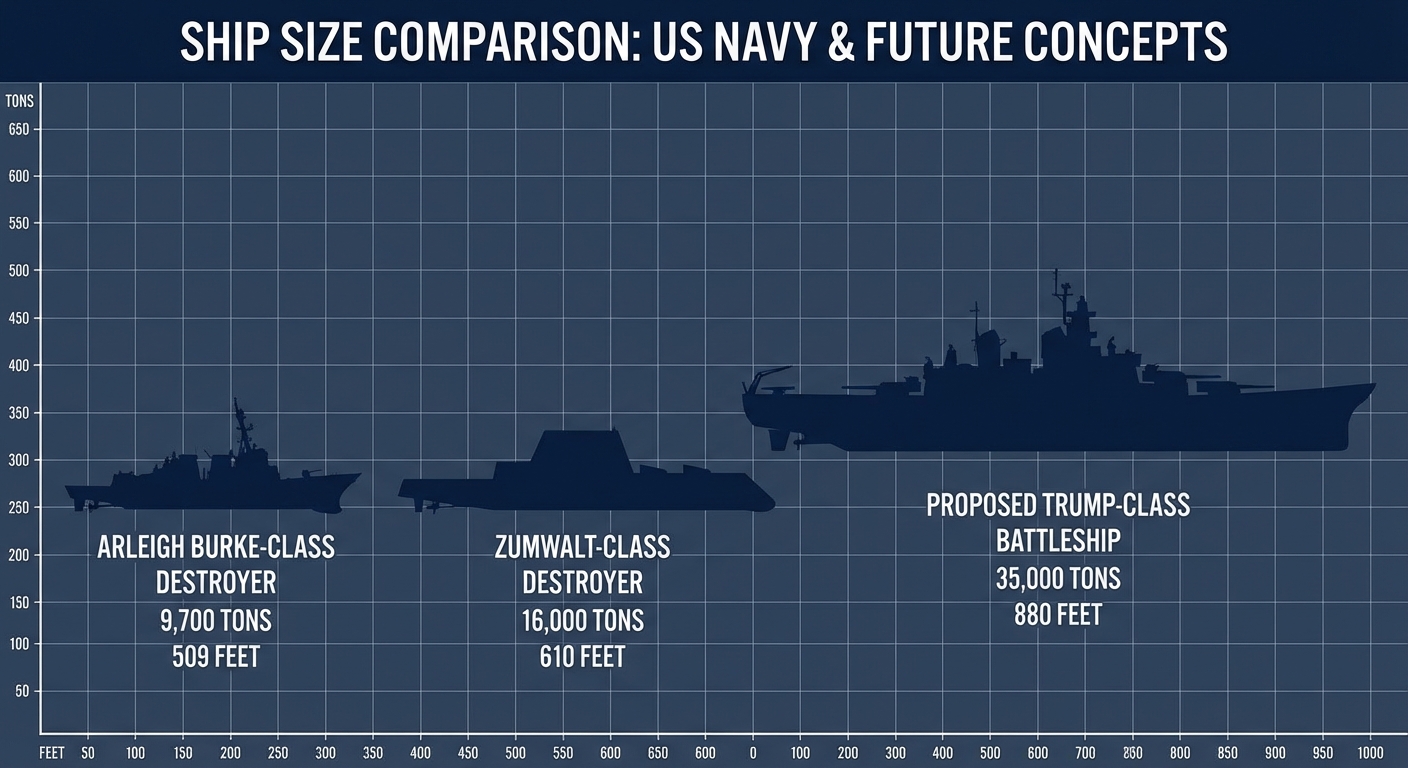
The specifications are genuinely staggering. At up to 880 feet long and displacing between 30,000 and 40,000 tons, the Trump-class ships would dwarf every surface combatant currently in the U.S. fleet. For comparison, the Navy’s current largest surface warship, the Zumwalt-class destroyer, displaces about 16,000 tons. The Gerald R. Ford-class aircraft carriers come in around 100,000 tons, but they’re in a category of their own.
The Navy plans to start with two ships, with Trump stating the goal is eventually 20 to 25 vessels in the class. Construction is slated to begin in 2030, which gives the shipbuilding industry roughly five years to figure out how to actually build something this ambitious.
The armament list reads like a Pentagon wish list. According to Breaking Defense, the ships will carry hypersonic missiles capable of striking targets at speeds exceeding Mach 5, sea-launched nuclear cruise missiles (a capability the U.S. hasn’t deployed since the Cold War), electromagnetic rail guns that fire projectiles using magnetic force rather than explosives, and directed-energy weapons including high-powered lasers.
The catch: most of these technologies are still in various stages of development. The Navy’s rail gun program, for instance, was effectively paused in 2021 after years of technical challenges. Whether these systems can be made operational and integrated into a single platform by 2030 remains an open question.
The “Golden Fleet” Vision
The battleship announcement is part of a broader naval expansion Trump has dubbed the “Golden Fleet.” The administration hasn’t released comprehensive details about the full plan, but the NPR report indicates it represents a significant philosophical shift in naval strategy, moving back toward large, heavily armed capital ships rather than the distributed lethality concepts that have dominated recent naval thinking. This comes as the administration reshapes AI policy and halts offshore wind projects as part of broader policy shifts.
This marks a departure from the Navy’s recent focus on smaller, more numerous vessels that can spread across the Pacific to counter Chinese naval expansion. Critics have argued that putting so many eggs in such large, expensive baskets makes the fleet more vulnerable, not less. Supporters counter that concentrated firepower and survivability matter in high-intensity conflict.
The naming convention has drawn particular attention. NBC News notes that this appears to be the first time a class of Navy ships has been named after a sitting U.S. president. Previous presidents have had aircraft carriers named in their honor, but typically posthumously or after leaving office. The Gerald R. Ford, for example, was named in 2007, more than three decades after Ford left the White House.
Can America Actually Build This?
Here’s where the vision collides with reality. American shipbuilding capacity has declined dramatically since the Cold War, and current yards are already struggling to meet existing demand for submarines, destroyers, and aircraft carriers.
“We no longer have the shipbuilding and maritime industrial infrastructure to do this quickly,” Carl Schuster, a former U.S. Navy captain and analyst, told CNN. The Navy is already dealing with years-long backlogs on submarine construction and has repeatedly pushed back delivery dates for the Ford-class carriers. The manufacturing challenges mirror similar infrastructure investment struggles across American industries.
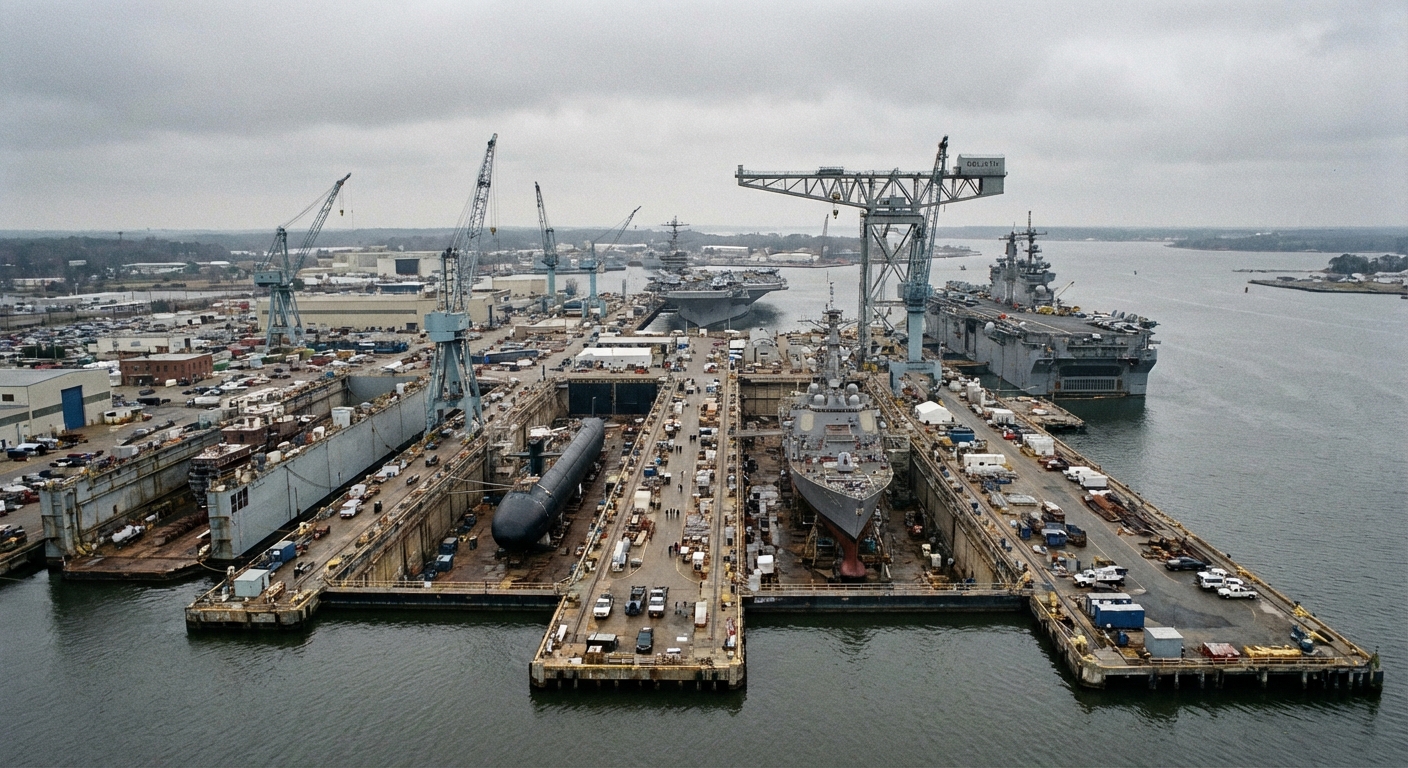
The shipbuilding challenge isn’t just about physical capacity. It’s about workforce. The skilled welders, electricians, and engineers needed to build modern warships take years to train, and the industry has struggled to attract and retain talent. Adding an entirely new class of unprecedented complexity to the existing workload would require either significant expansion of the industrial base or accepting that something else won’t get built on time.
There’s also the question of cost. The Navy hasn’t released official estimates, but given that the much smaller Zumwalt-class destroyers came in at roughly $4.4 billion per ship (far exceeding initial projections), the Trump-class vessels could easily cost $8-10 billion each. With 20-25 ships planned, that’s potentially $200 billion or more before the inevitable cost overruns.
What This Means for Naval Strategy
The return of the battleship designation carries symbolic weight that goes beyond the ships themselves. For decades, naval strategists have debated whether large surface combatants remain viable in an era of precision-guided anti-ship missiles. China, in particular, has invested heavily in what military planners call “anti-access/area denial” capabilities designed to keep American carriers and large warships far from contested waters.
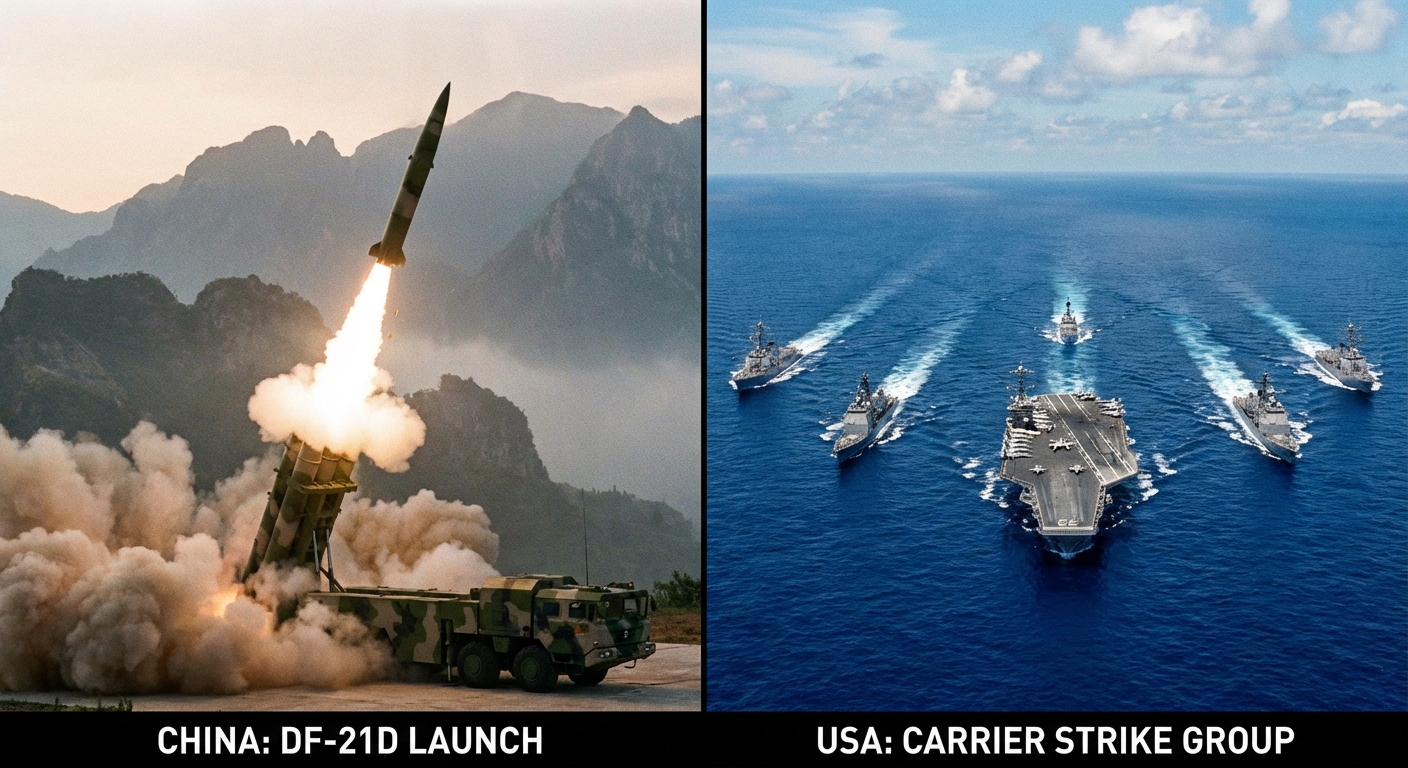
The Trump-class ships, with their emphasis on advanced defensive systems and long-range strike capability, appear designed to operate in exactly these contested environments. The nuclear cruise missile capability, in particular, signals a return to naval nuclear deterrence that was largely abandoned after the Cold War. Whether reintroducing nuclear weapons to surface ships enhances deterrence or escalates tensions is a debate that’s already beginning in defense circles.
The Bottom Line
The Trump-class battleship announcement is either a bold reassertion of American naval dominance or an expensive nostalgia project that ignores the realities of modern warfare, depending on who you ask. The ships would undeniably be impressive, packing more firepower into a single hull than anything since the Iowa-class battleships of World War II.
But impressiveness and practicality aren’t the same thing. The Navy has to actually build these vessels with an industrial base that’s already struggling, integrate technologies that don’t fully exist yet, and pay for them alongside everything else the fleet needs. The 2030 construction start date gives the Pentagon time to work through these challenges, but it also gives critics time to question whether this is the best use of limited defense resources.
What’s certain is that the era of thinking small in naval warfare appears to be over. Whether that’s visionary or reckless will likely take a decade or more to determine. In the meantime, somewhere in a shipyard that hasn’t been selected yet, engineers are probably already wondering how exactly they’re supposed to build an 880-foot battleship with a rail gun.
Sources: USNI News, Breaking Defense, NPR, NBC News, CNN, The Hill.